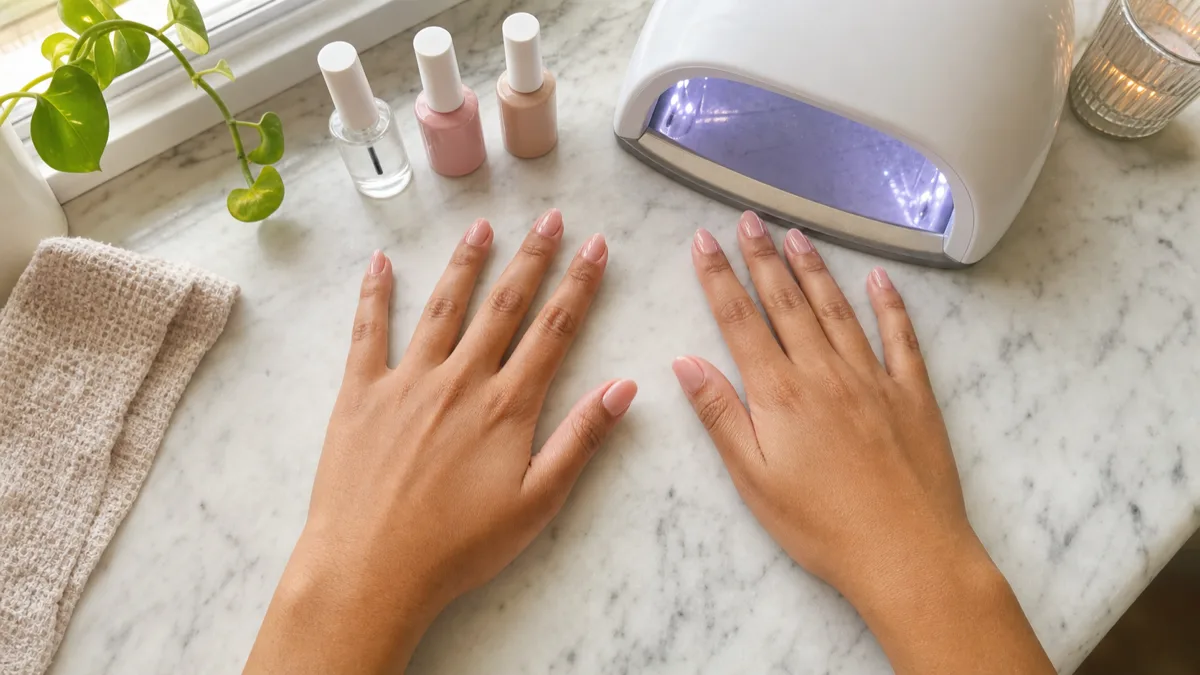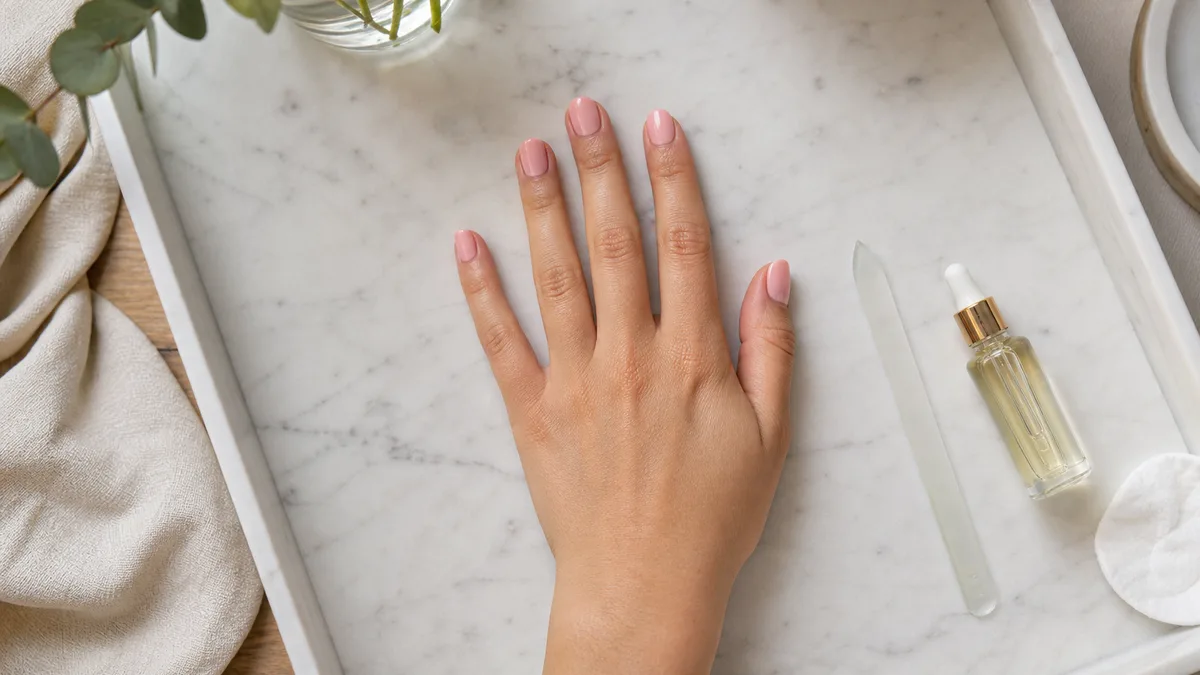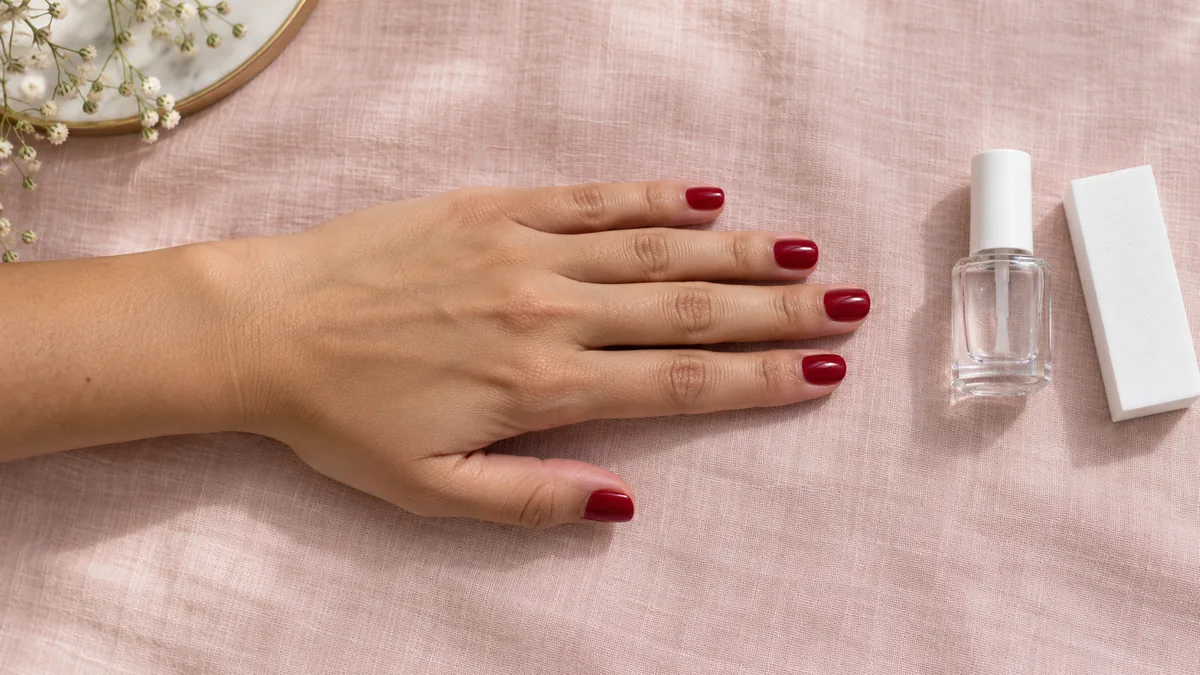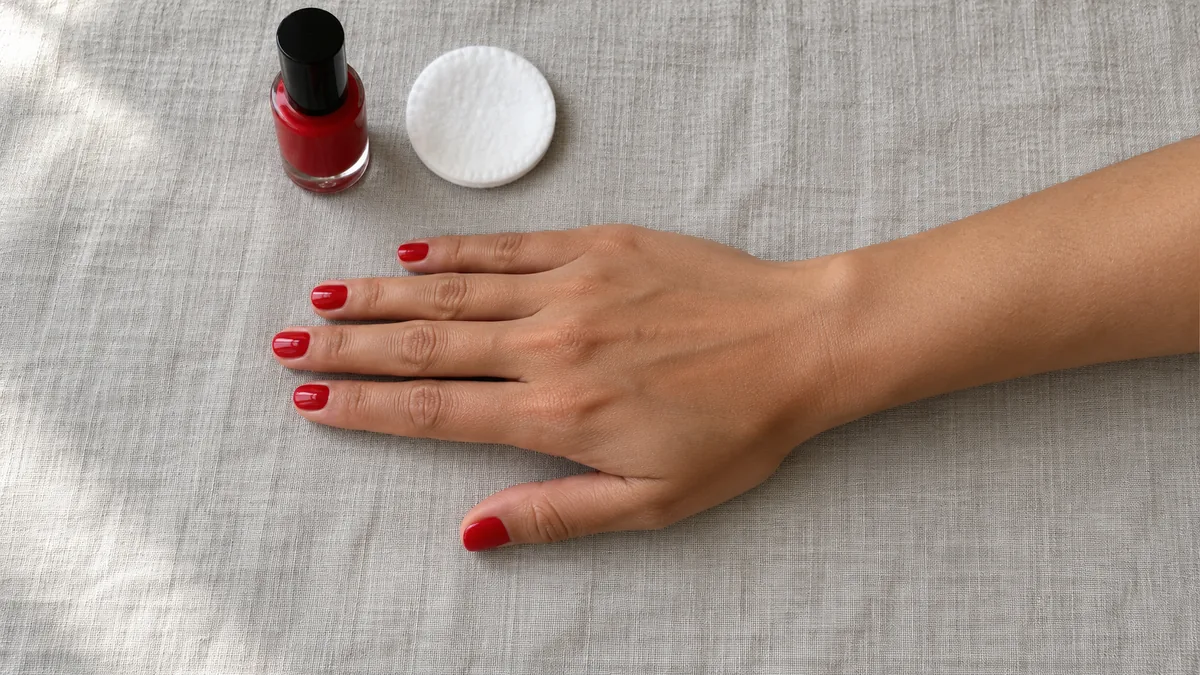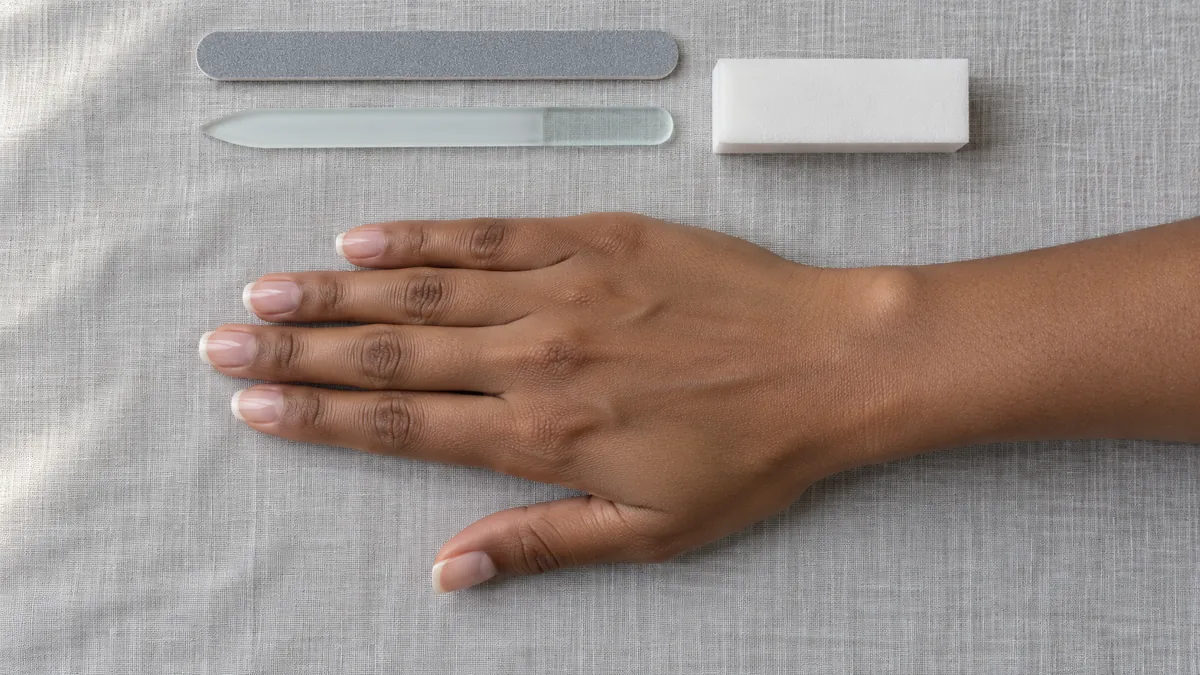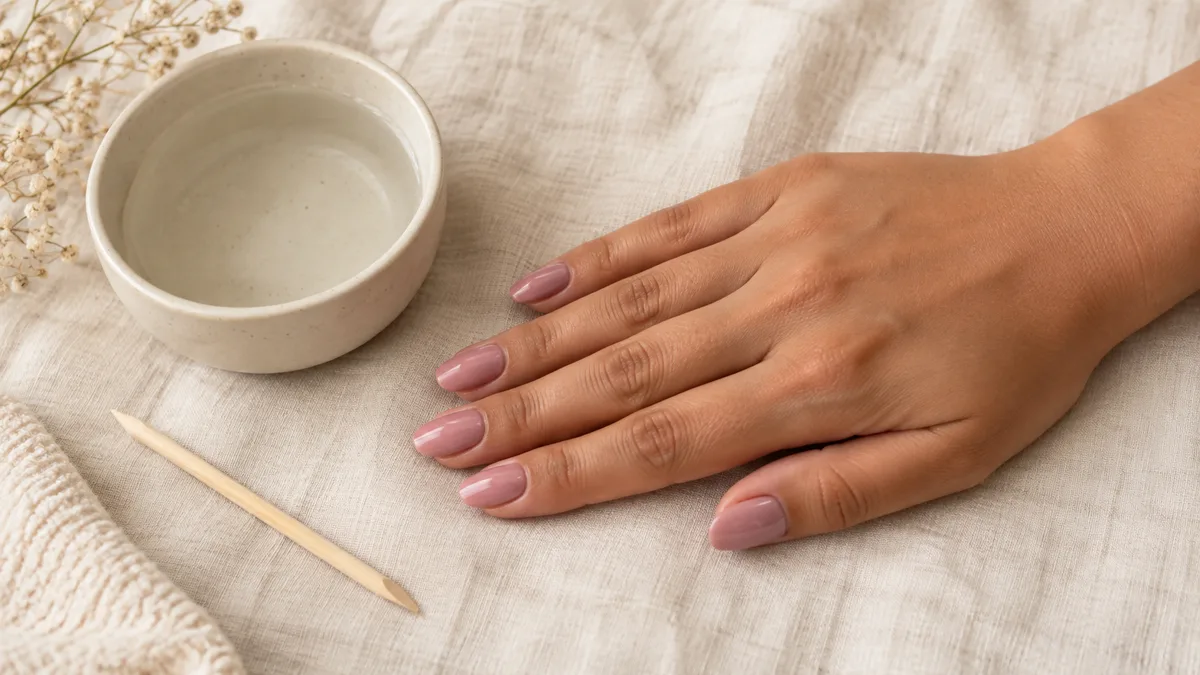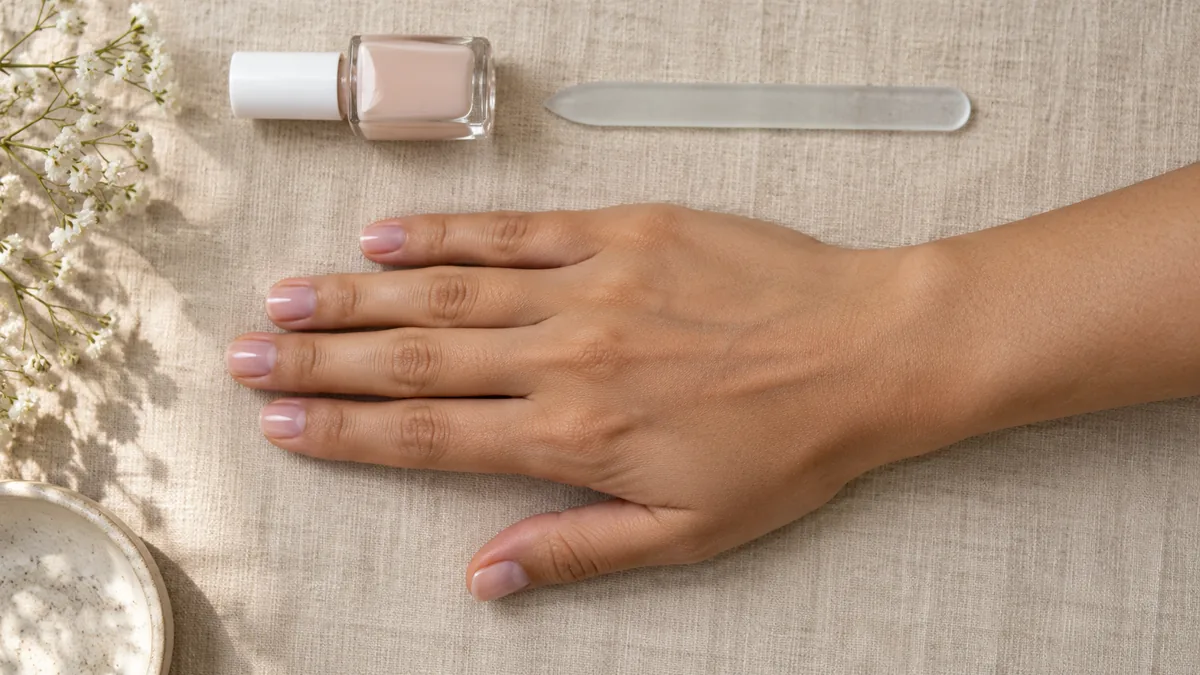
Most people who bite their nails have tried to stop more than once. They promise themselves to quit, last a few days, and then find a nail between their teeth during a long phone call without remembering how it got there.
That is because nail biting is usually automatic, not a choice you make each time. The plan below works around that: it helps you notice the habit, take away the easy targets, and give your hands something else to do.
How to Stop Biting Nails
Read it in order the first time. After that, come back to the section that matches the moment you keep slipping.
Start here if…
You do not need every step on day one. Match your habit to a card and begin there.
Figure Out When and Why You Bite
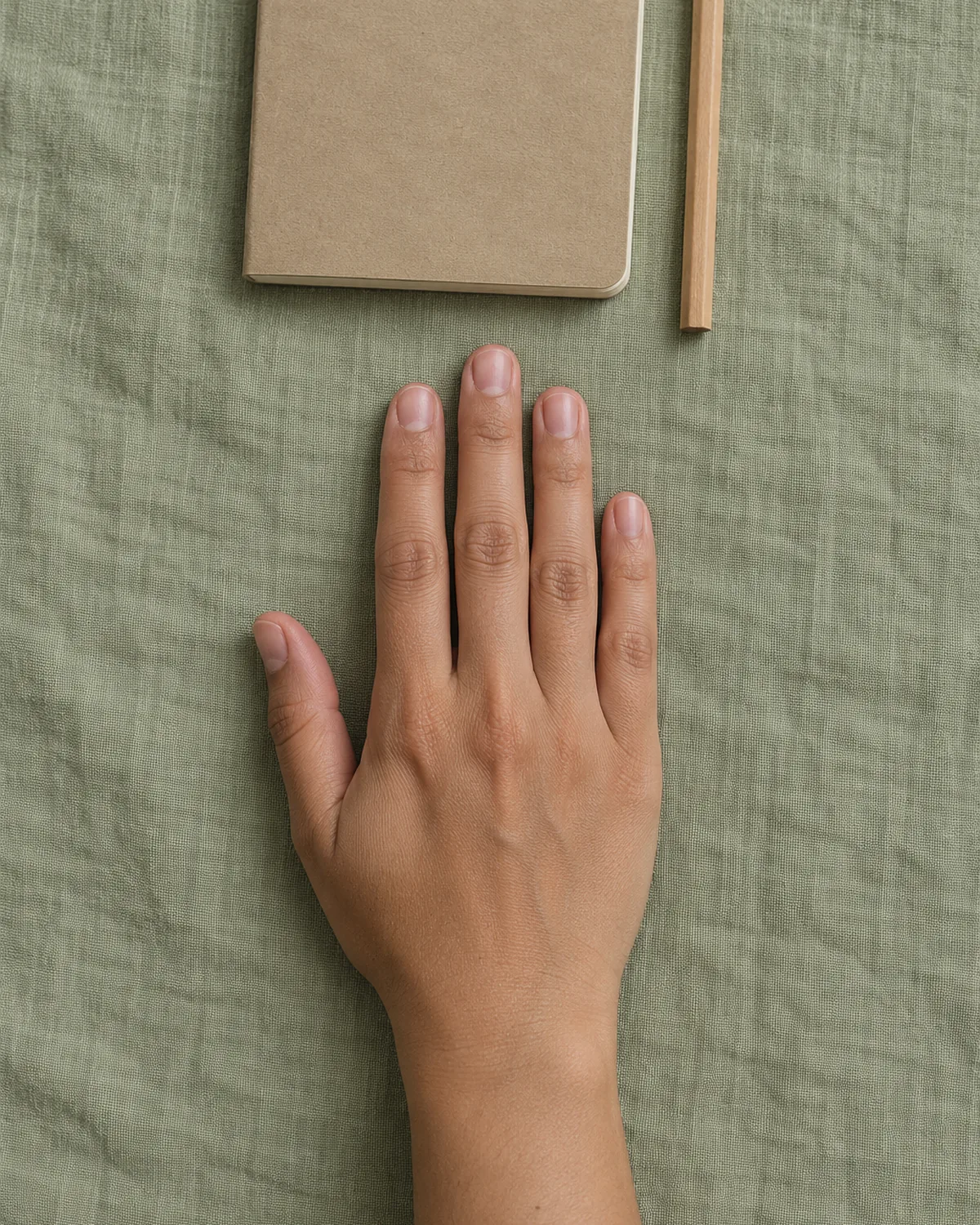
Before you change anything, spend three days simply watching the habit. Every time you catch yourself biting, or about to, jot down where you were, what you were doing, and how you felt.
Patterns show up fast. Most people bite in the same few situations, and once you know yours, you can prepare for them instead of fighting the urge cold.
| Trigger | Looks like | Best fix |
|---|---|---|
| Boredom | TV, scrolling, queues | A swap habit within reach |
| Stress | Deadlines, tense calls | A calming swap and a barrier |
| Focus | Reading, desk work | Bitter polish or a manicure |
| A rough edge | A snag or hangnail | A glass file and cuticle oil |
Make your log easy to keep:
- Use the notes app on your phone, or a small notebook you carry anyway
- Write one line per episode, not a diary entry
- Note which finger you went for, since most people have favorites
Do not try to stop during these three days. The goal is information, and it is easier to collect when you are not also judging yourself.
Keep Nails Short and Smooth So There Is Nothing to Grab
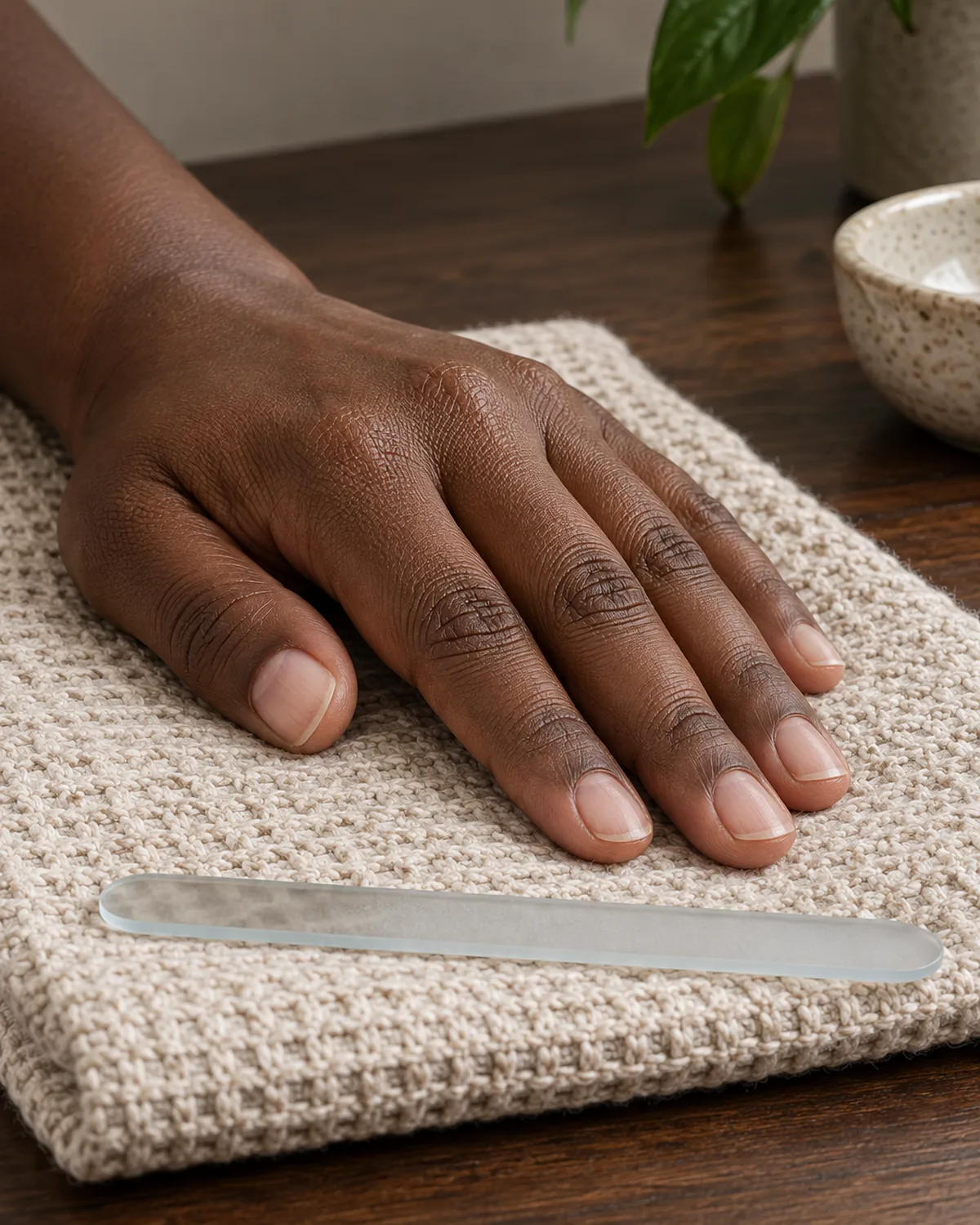
A jagged edge is an invitation. Your fingers find it, your thumb worries at it, and before long it is in your mouth to be smoothed down the only way that seems quick.
Short, sealed edges remove that cue. When there is nothing to catch, there is far less reason to start.
A simple edge routine:
- Clip nails short once a week, just past the fingertip
- File each edge smooth in one direction, from the side toward the center
- Seal the tip with a glass file so it does not feel rough
- Keep a small glass file in your bag, car, and desk drawer
The last step matters most. A file within reach lets you fix a snag in ten seconds instead of biting it. The how to file nails guide covers the grit, angle, and sealing in detail.
Each section below builds on these. When the habit creeps back, one of them has slipped.
Paint On a Bitter-Tasting Nail Polish
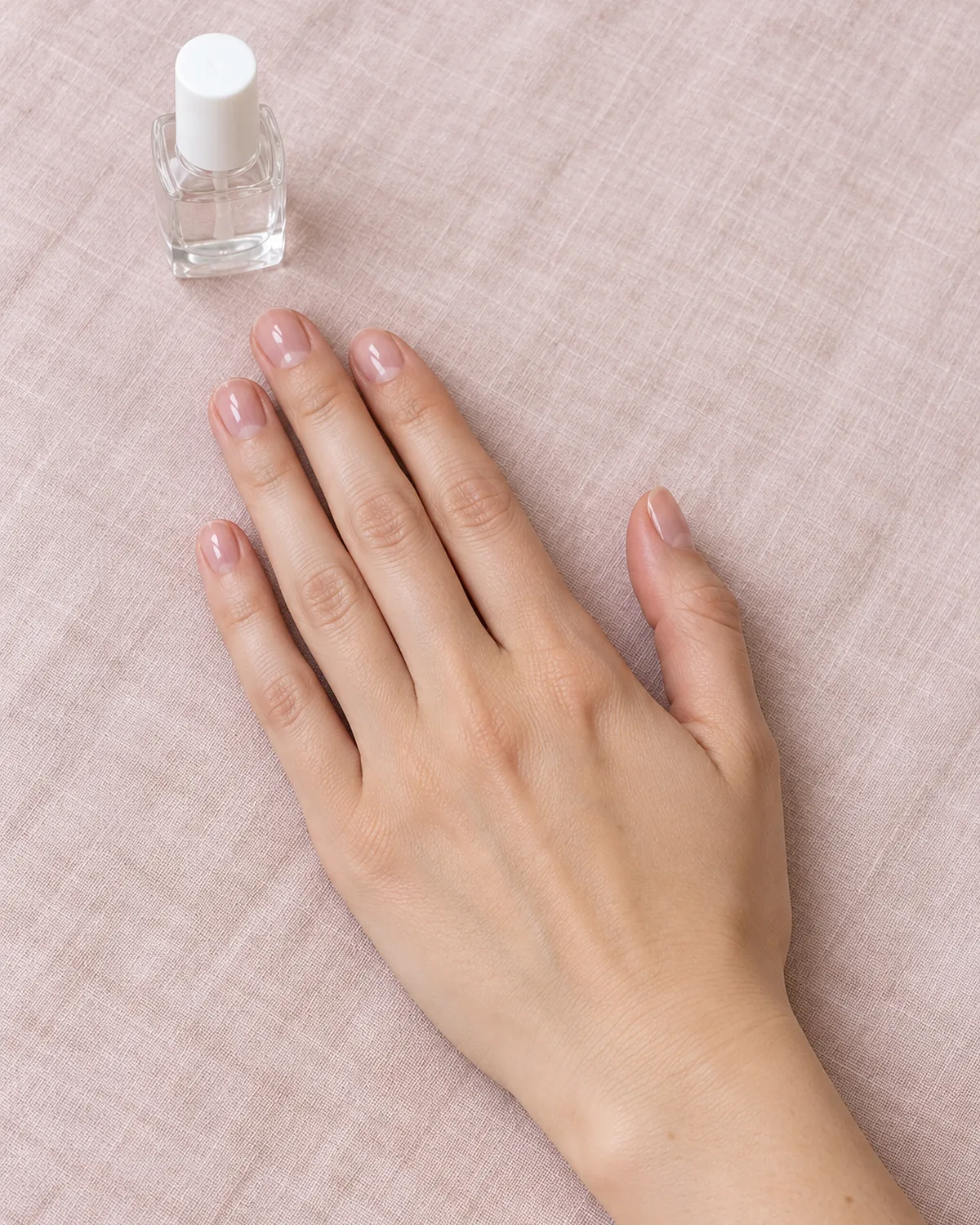
Bitter nail polish is a clear coat with a harmless but very unpleasant taste, most often from an ingredient called denatonium benzoate. It does not stop you physically. It works by interrupting the automatic part of the habit, so the taste makes you notice what your hand is doing.
That moment of noticing is the whole point. It turns an unconscious action into a choice.
How to use it well:
- Apply two thin coats over bare nails or over your regular polish
- Brush a little onto the skin around the nail if you also bite your cuticles
- Reapply every two to three days, and after washing dishes or swimming
- Wash your hands before handling food, so the taste does not end up in your snack
Bitter polish has one weakness: some people get used to the taste after a few weeks. Treat it as a strong first step that buys you time to build the other habits in this guide, not as the whole solution. Check the label for age guidance before using it on a child.
Give Your Nails a Barrier: A Manicure, Gel, or Press-Ons
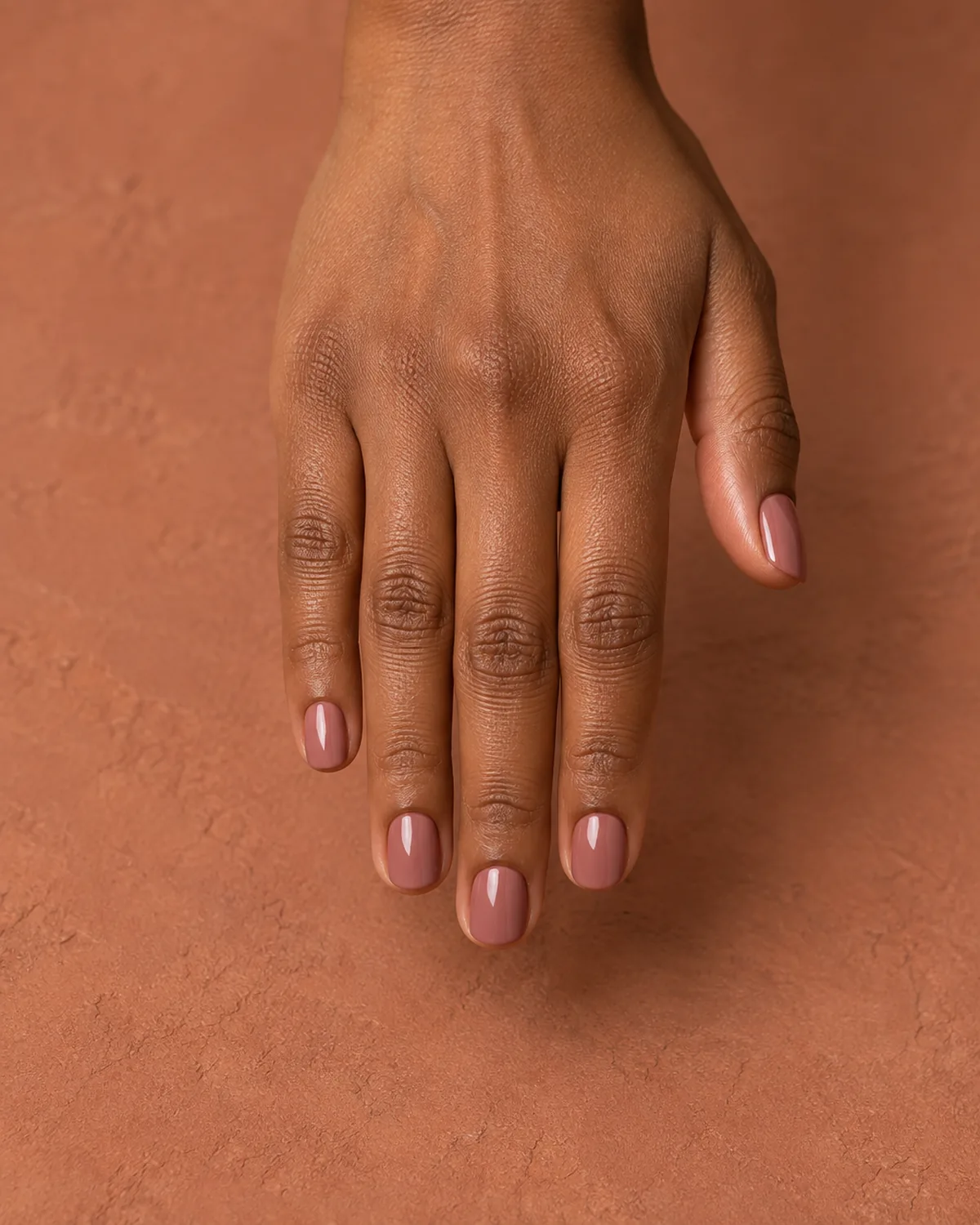
Nails that look good are harder to ruin. Many people find that once they have spent time or money on a manicure, they stop themselves before biting through it.
A barrier also changes how the nail feels in your mouth. Polish, gel, or a press-on is hard and smooth, which removes the satisfying texture of a natural edge.
| Option | Why it helps | Good to know |
|---|---|---|
| Regular polish | Quick, cheap, and makes nails look cared for | Chips easily, so keep a bottle for touch-ups |
| Gel polish | Hard, glossy, and lasts about two weeks | Needs proper removal, not peeling |
| Press-on nails | Covers very short or uneven nails right away | Choose short lengths while nails recover |
Keep the shape short and rounded. Long, pointed tips break more easily, and a broken edge can restart the cycle. If you are trying press-ons, the press-on application guide shows how to fit them well, and short nail designs has plenty of looks that suit nails in recovery.
Skip any enhancement if the skin around your nails is broken, red, or sore. Let it heal first.
Quit One Nail at a Time
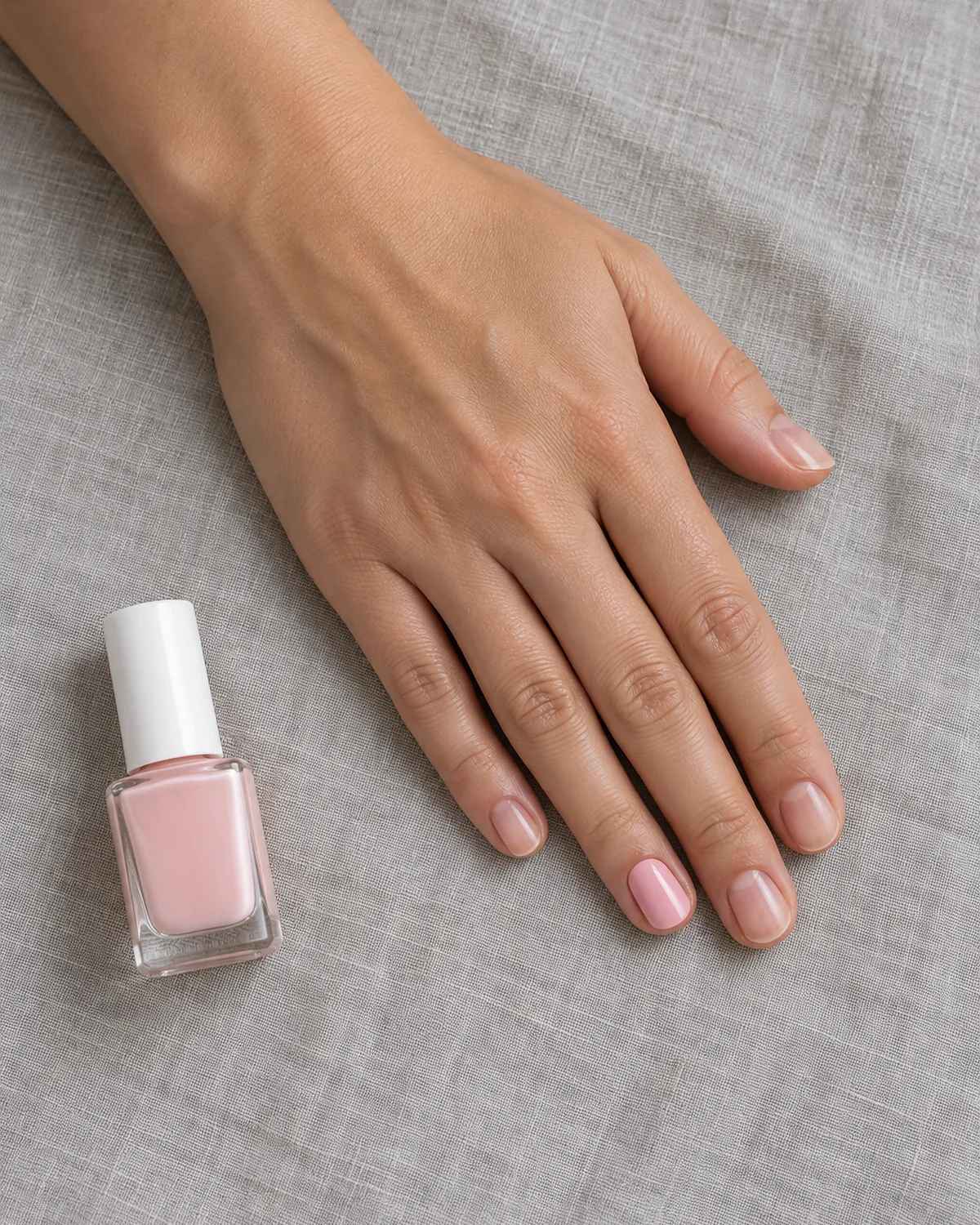
Trying to stop on all ten fingers at once is a big ask. Starting with one nail is far more manageable, and each small win makes the next one easier.
Pick one nail to protect. Many people choose the one they bite least, so the first week feels achievable. Paint it a color you love, and treat it as off-limits.
A sample plan:
| Week | Protected nails |
|---|---|
| 1 | One nail, such as the ring finger |
| 2 | Both ring fingers |
| 3 | Ring and pinky fingers on both hands |
| 4 | Add the middle fingers |
| 5 and on | Add the index fingers and thumbs, usually the hardest |
If a protected nail gets bitten, do not start over. Smooth it, repaint it, and keep going with the same plan.
Seeing one nail grow out next to the others is a strong motivator. It is proof that your nails can grow, and that the habit can change.
Keep Your Hands Busy With a Swap Habit
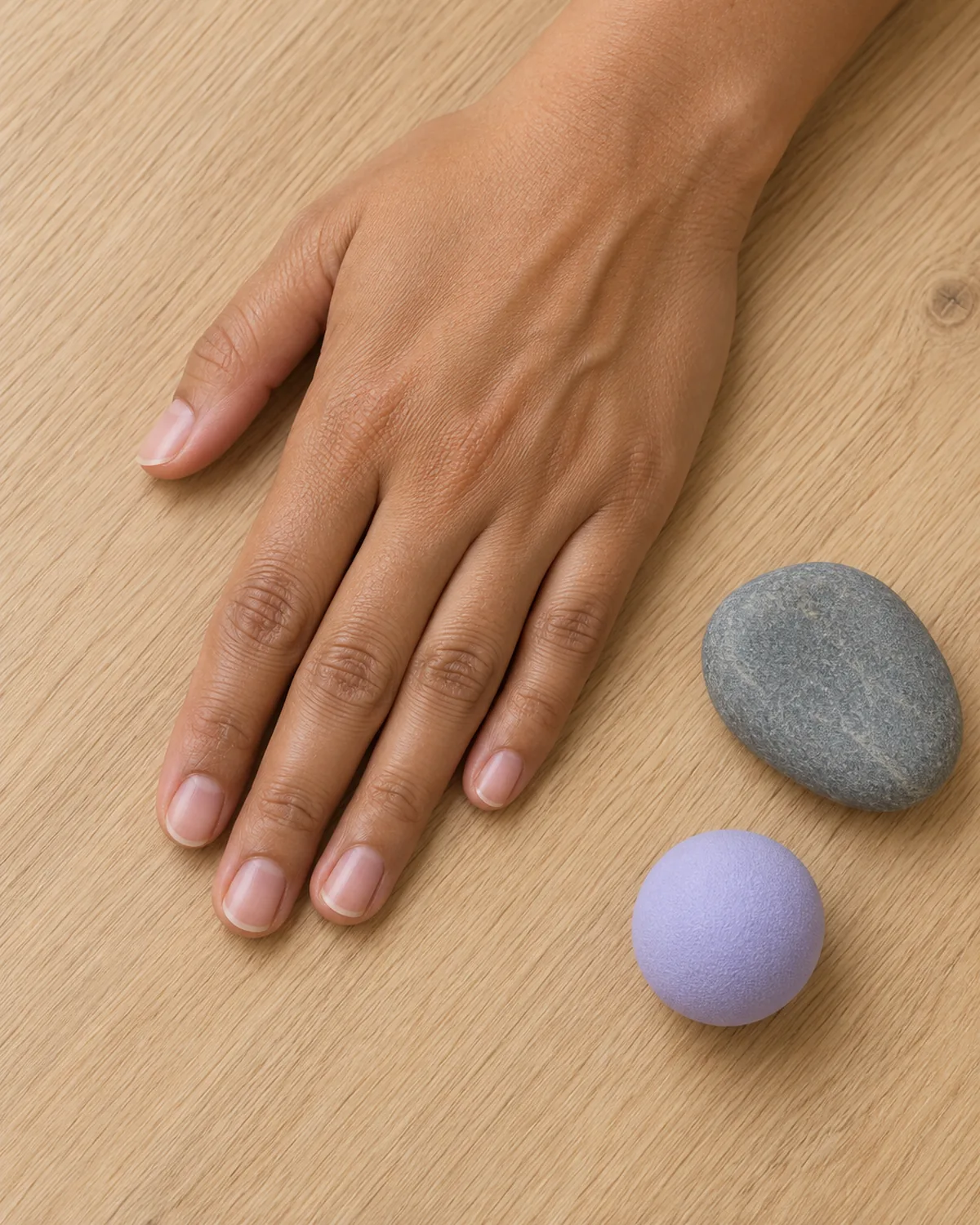
Stopping a habit leaves a gap, and gaps get filled. The most reliable way to fill it is with a deliberate replacement, a swap habit that keeps your hands busy in the moments you used to bite.
This is the core of habit reversal training, the approach most often recommended for stubborn nail biting. You learn to notice the urge, and then you do something with your hands that makes biting impossible for a minute or two.
Swap habits that work for many people:
- Make a loose fist and hold it for one minute until the urge passes
- Squeeze a small stress ball or roll a smooth stone between your fingers
- Rub in hand cream or cuticle oil
- Hold a pen, a mug, or your phone with both hands
- Sit on your hands briefly during a tense moment
Match the swap to your triggers from section one. Put a stress ball next to the sofa if you bite during TV, and a smooth stone in your coat pocket if you bite in traffic or queues.
Expect the urge to peak and then fade. Most urges pass within a few minutes, and each one you ride out makes the next a little weaker.
Treat Hangnails and Bitten Skin Right Away
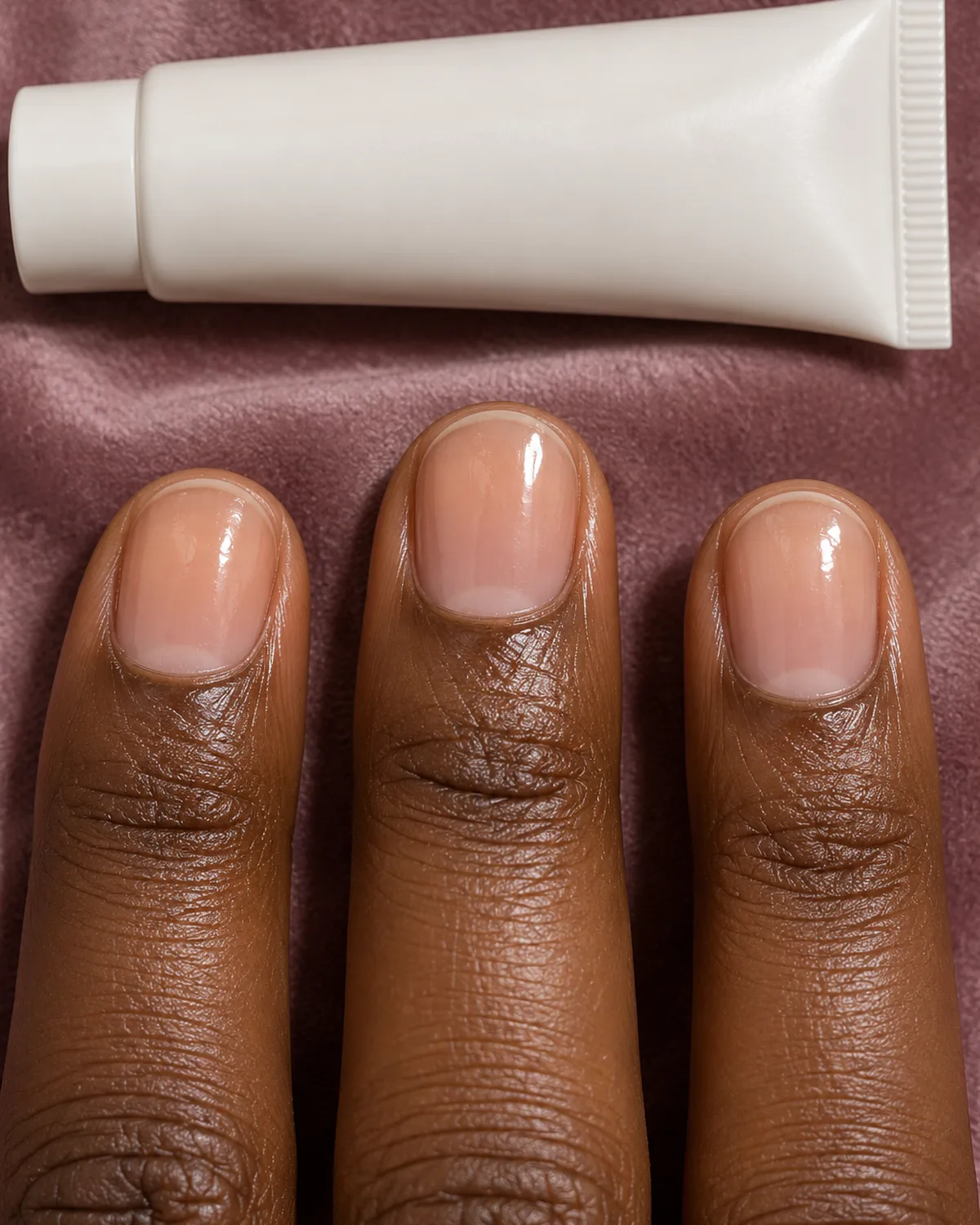
For many people, biting starts with the skin, not the nail. A dry cuticle or a small hangnail gets nibbled, and the nail follows.
Keeping the skin around your nails soft and smooth removes that starting point.
Daily habits for the skin around your nails:
- Massage cuticle oil into each nail and the skin around it twice a day
- Use hand cream after every wash, especially in cold weather
- Keep clean cuticle nippers at home for hangnails
When a hangnail appears:
- Soften the skin with a little oil or warm water first
- Snip the loose piece close to its base with clean nippers
- Never pull or tear it, since that rips into healthy skin
- Add a dab of oil or balm afterward
Watch for signs of infection. Redness, swelling, warmth, pain, or pus around a nail is a reason to see a doctor, not something to treat by biting or picking. The cuticle care guide covers the full routine for healthy skin around the nail.
Track Your Progress and Plan for Slip-Ups
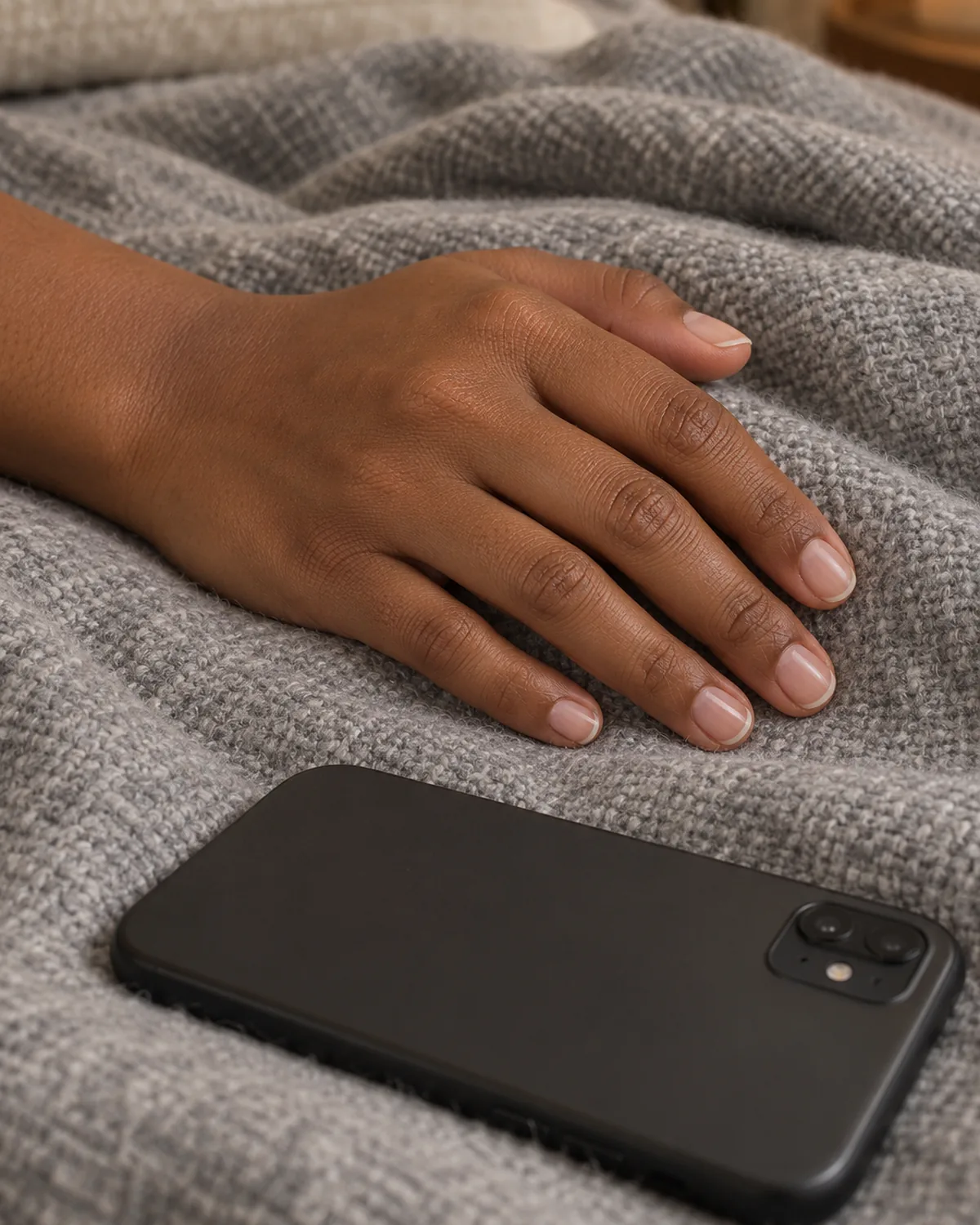
Progress with nail biting is slow enough that it is easy to miss. A simple weekly photo fixes that and gives you something to look forward to.
Take a picture of both hands every week, in the same spot and the same light. After a month, scroll back and compare. The difference is usually bigger than it feels day to day.
Plan for the slips now, before they happen:
- If you bite a nail, file it smooth straight away so there is no jagged edge to return to
- Notice what triggered it and add that situation to your plan
- Count good days, not perfect ones; a slip does not cancel a week of progress
Rewards help, too. Set small milestones, like two weeks without biting your protected nails, and give yourself something you enjoy, such as a professional manicure or a new polish color.
How Long Regrowth Takes and When to Get Extra Help
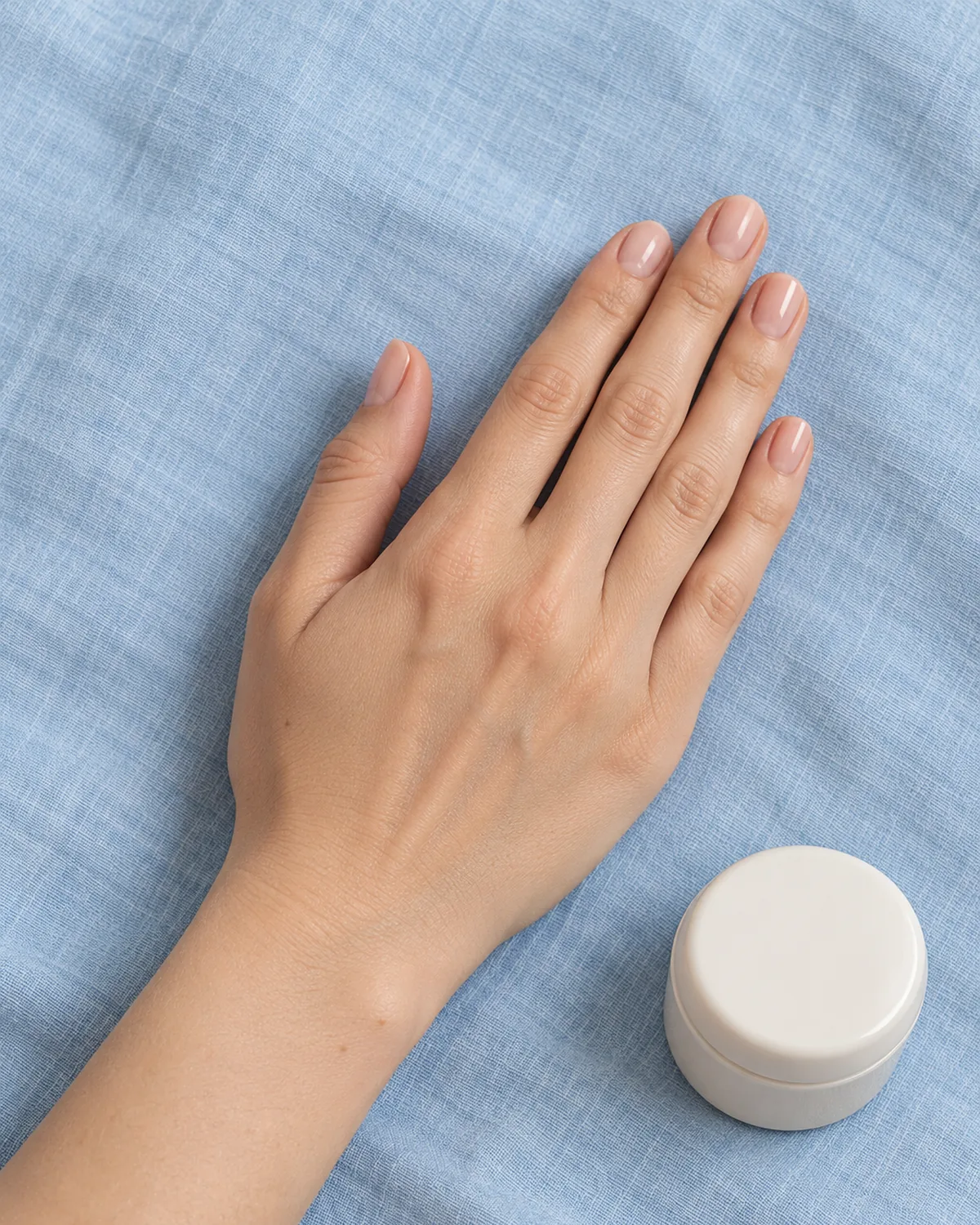
Fingernails grow slowly, about three millimeters a month on average. A nail that has been bitten down to the skin usually takes around four to six months to grow back completely.
Do not be discouraged if your nails look short or uneven at first. Bitten nails often take a while for the skin and the nail to settle into a neater shape again.
| Time without biting | What you can expect |
|---|---|
| 1 to 2 weeks | Skin around the nails starts to heal and looks less red |
| About 1 month | A thin white free edge appears on most nails |
| 2 to 3 months | Nails look noticeably longer and more even |
| 4 to 6 months | Most nails have grown out fully |
Once you have some length back, the habits in how to grow nails and how to strengthen nails help you keep it.
When to get extra help:
- You bite until the skin bleeds, or keep getting infections around your nails
- The habit comes with strong anxiety, or you feel you cannot stop
- You also pick at your skin or pull your hair
Long-term nail biting can be part of a group of habits called body-focused repetitive behaviors. A dermatologist, your doctor, or a therapist who offers habit reversal training can help, and asking for that help is a practical step, not a failure.
Stop Biting Your Nails in 9 Takeaways
- 1Find your triggersLog every episode for three days to see when and why you bite
- 2Keep edges smoothShort, sealed nails and a glass file within reach remove the snag that starts it
- 3Try bitter polishTwo coats every few days turn an automatic bite into a moment you notice
- 4Add a barrierPolish, gel, or short press-ons make nails harder and less tempting to bite
- 5Quit one nail at a timeProtect one nail, then add more each week until all ten are off-limits
- 6Swap the habitMake a fist, squeeze a stress ball, or use hand cream until the urge passes
- 7Look after your cuticlesOil twice a day and snip hangnails cleanly instead of tearing them
- 8Track your progressTake a weekly photo, plan for slips, and reward small milestones
- 9Give it four to six monthsThat is how long nails take to regrow, and help is there if you need it
styvea.com

Sloane Avery edits Styvea, where she shares nail design ideas, shapes, colors, and at-home manicure how-tos for anyone who loves a good manicure. Every guide is reviewed for clarity, usefulness, image accuracy, and Pinterest-to-page alignment before publication. Visit the About page.
Nail Biting FAQ
Why do I bite my nails?
Usually for one of a few reasons:
- Boredom, or having nothing to do with your hands
- Stress, worry, or nervous energy
- Deep concentration, when the habit runs on autopilot
- A rough edge or hangnail that feels like it needs fixing
Most people have one or two main triggers. Keeping a short log for a few days is the quickest way to find yours.
Does bitter nail polish really work?
It helps many people, especially at the start:
- The taste makes you notice when your hand reaches your mouth
- That moment of noticing gives you a chance to stop
Some people get used to the taste over time, so it works best alongside short nails, a swap habit, and a plan for your triggers.
How long does it take to stop biting your nails?
It varies from person to person, but a rough guide:
- First few weeks: you notice the urge sooner and catch more episodes
- One to three months: the habit weakens and slips become less frequent
- Beyond that: most urges fade, though stress can still bring them back
Quitting one nail at a time and tracking progress with photos makes it easier to stick with.
How can teens and kids stop biting their nails?
A gentle approach works better than scolding:
- Keep nails short and smooth
- Praise days without biting rather than pointing out slips
- Offer a fidget toy or stress ball for TV time and homework
- Check the age guidance on any bitter polish before using it
Many children grow out of the habit. If it causes pain, infections, or distress, talk to a pediatrician or doctor.
Will my nails grow back normally after biting?
In most cases, yes. Nails grow about three millimeters a month, so a fully bitten nail usually grows out in four to six months. If the nail looks permanently damaged or the skin keeps getting infected, see a dermatologist.