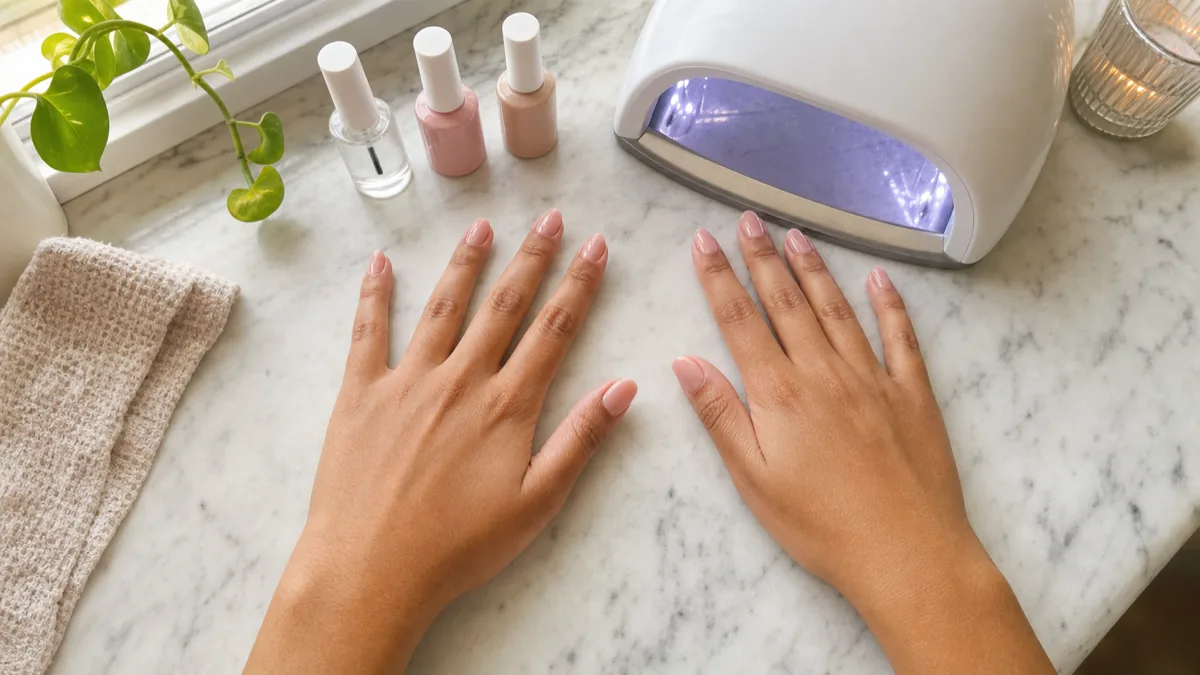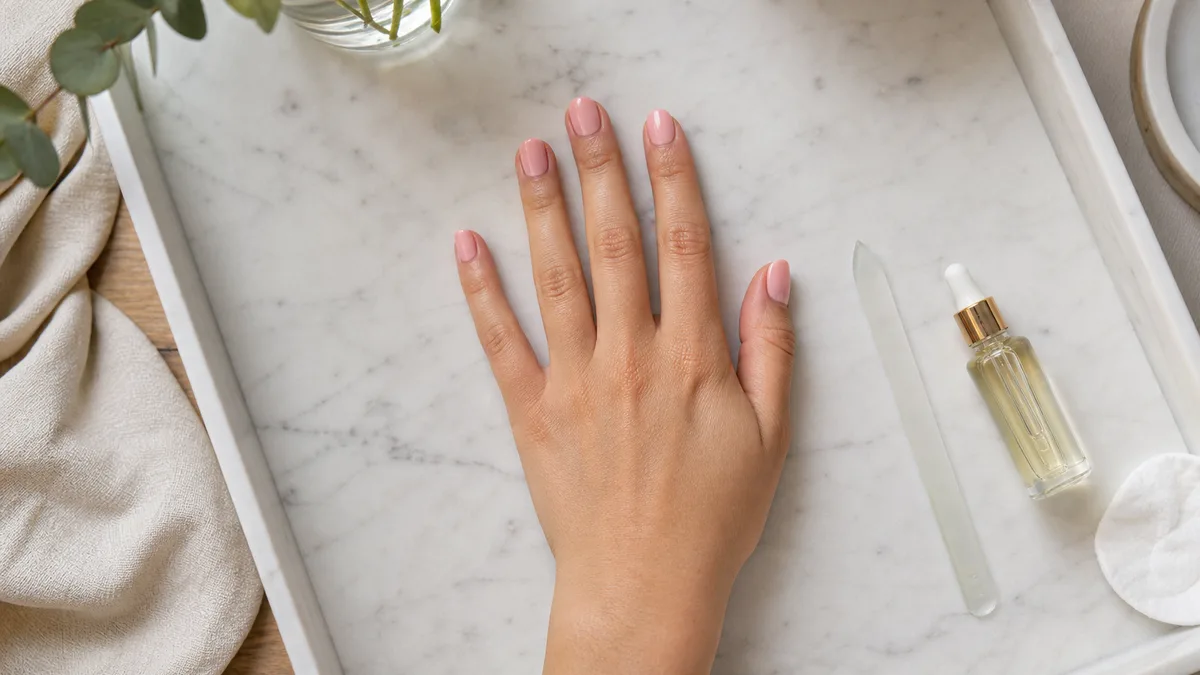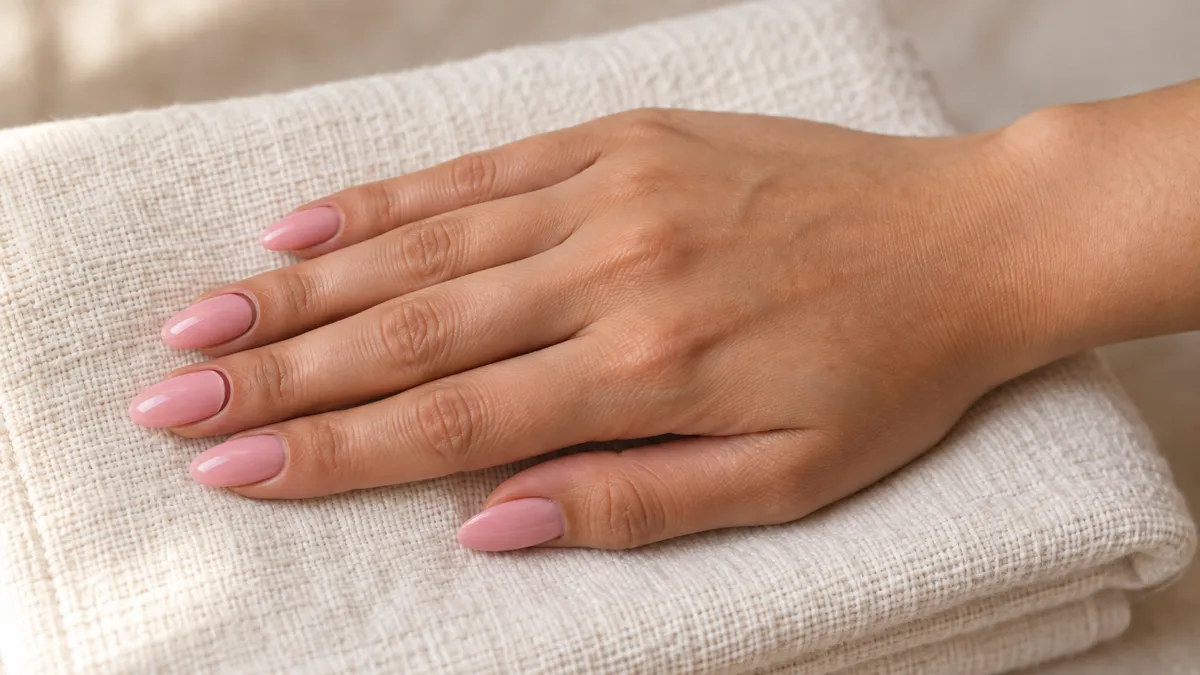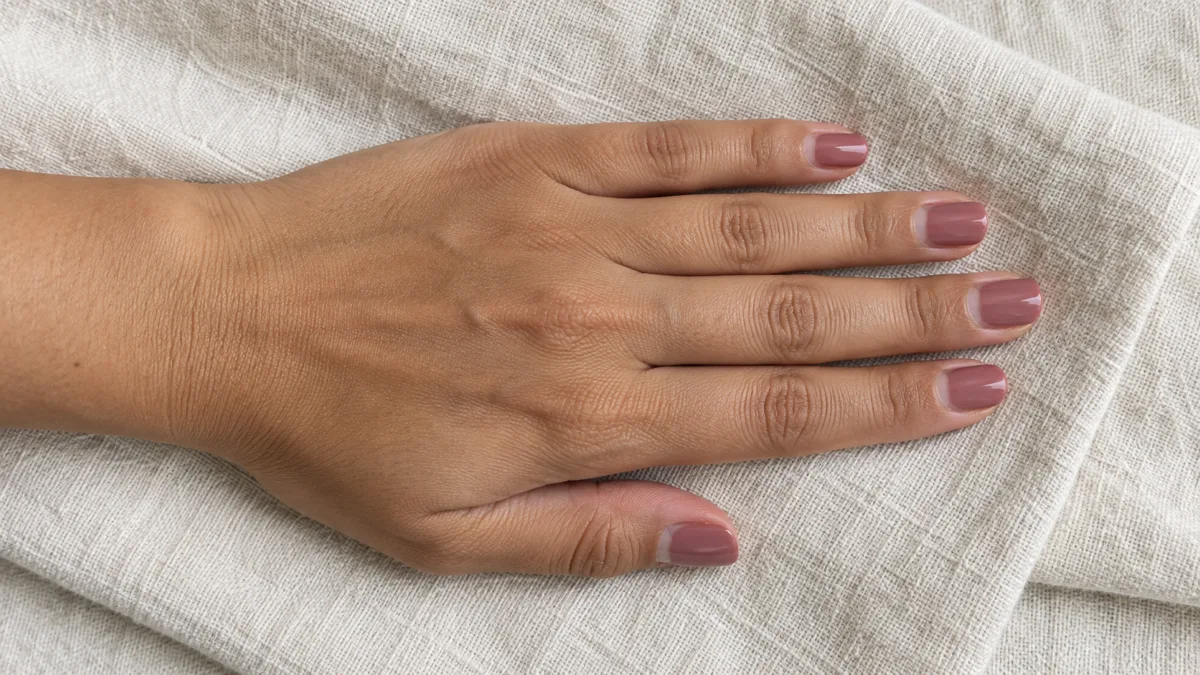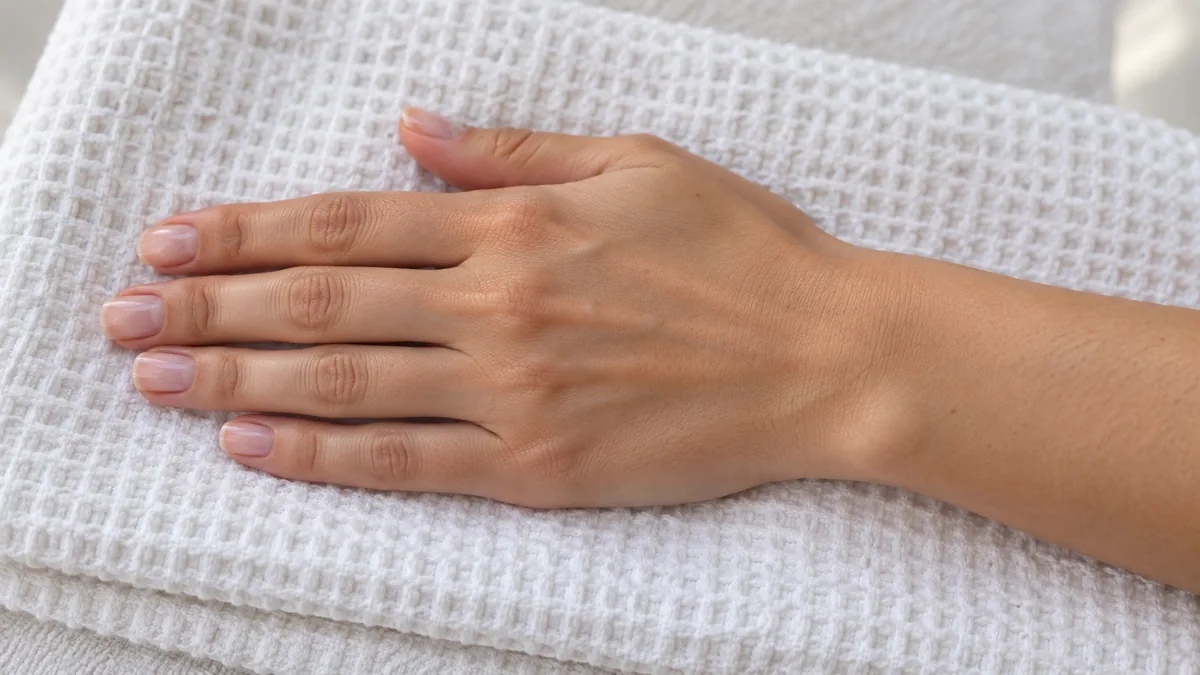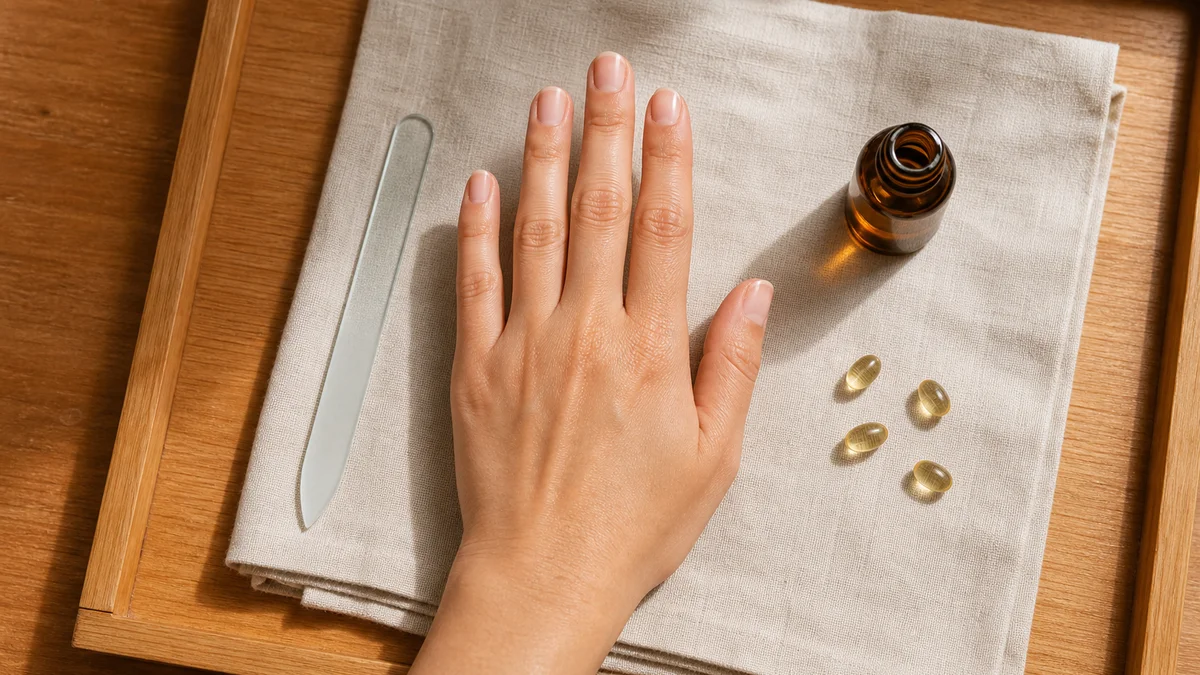
Weak nails that peel, bend, and split are a signal — not just a nuisance. The fix is a stack: internal support, surface armor, and behavior change.
These fifteen methods cover all three layers.
See also: nail care routine, cuticle care, and at home manicure.
From diagnosis to daily habits. Tap any method to jump straight to it.
1. Diagnose First — Peeling, Splitting, and Bending Mean Different Things
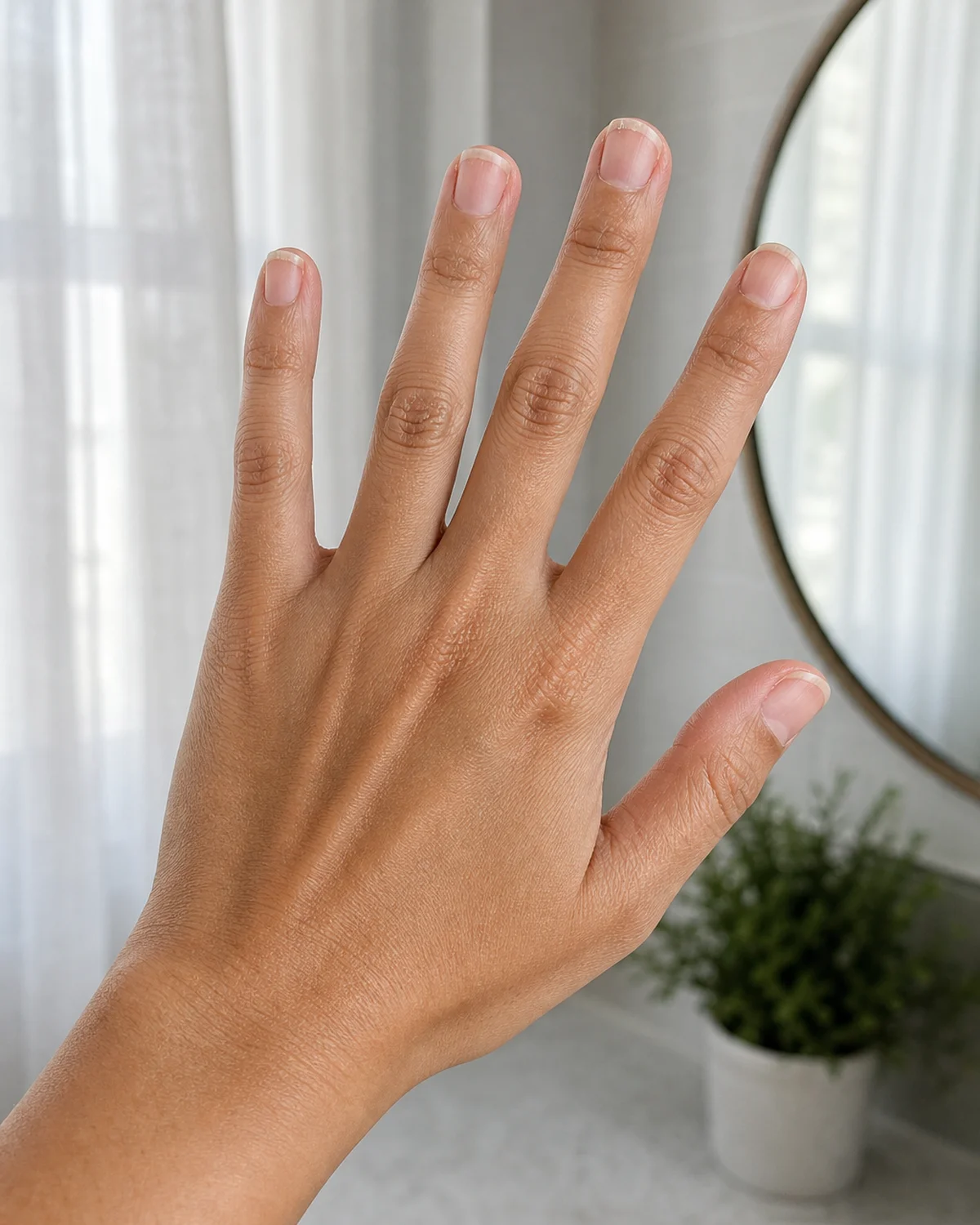
Peeling nails lose thin transparent sheets from the free edge — the top layers delaminate like pages of a book. This pattern points to dehydration or repeated wet-dry cycles that swell and shrink the keratin until the layers separate.
Splitting nails crack vertically from tip toward cuticle, usually from physical trauma, aggressive filing, or a nutrient gap. Bending nails flex under light pressure — the plate is too thin or the keratin density is too low to resist force.
Each pattern requires a different response. Stacking three products on top of the wrong diagnosis wastes weeks and makes the problem feel permanent when it is actually fixable. Peeling responds to hydration and barrier protection. Splitting responds to nutrients and filing technique. Bending responds to hardeners and time for new thicker growth.
- Peeling = dehydration or wet-dry cycling, fix with hydration and barriers.
- Splitting = trauma or nutrient gap, fix with filing technique and supplements.
- Bending = thin plate or low keratin density, fix with hardeners and growth time.
- Treating the wrong symptom wastes weeks without improvement.
- Identify the pattern first, then pick the methods that match.
2. Biotin Takes Eight Weeks, Not Eight Days
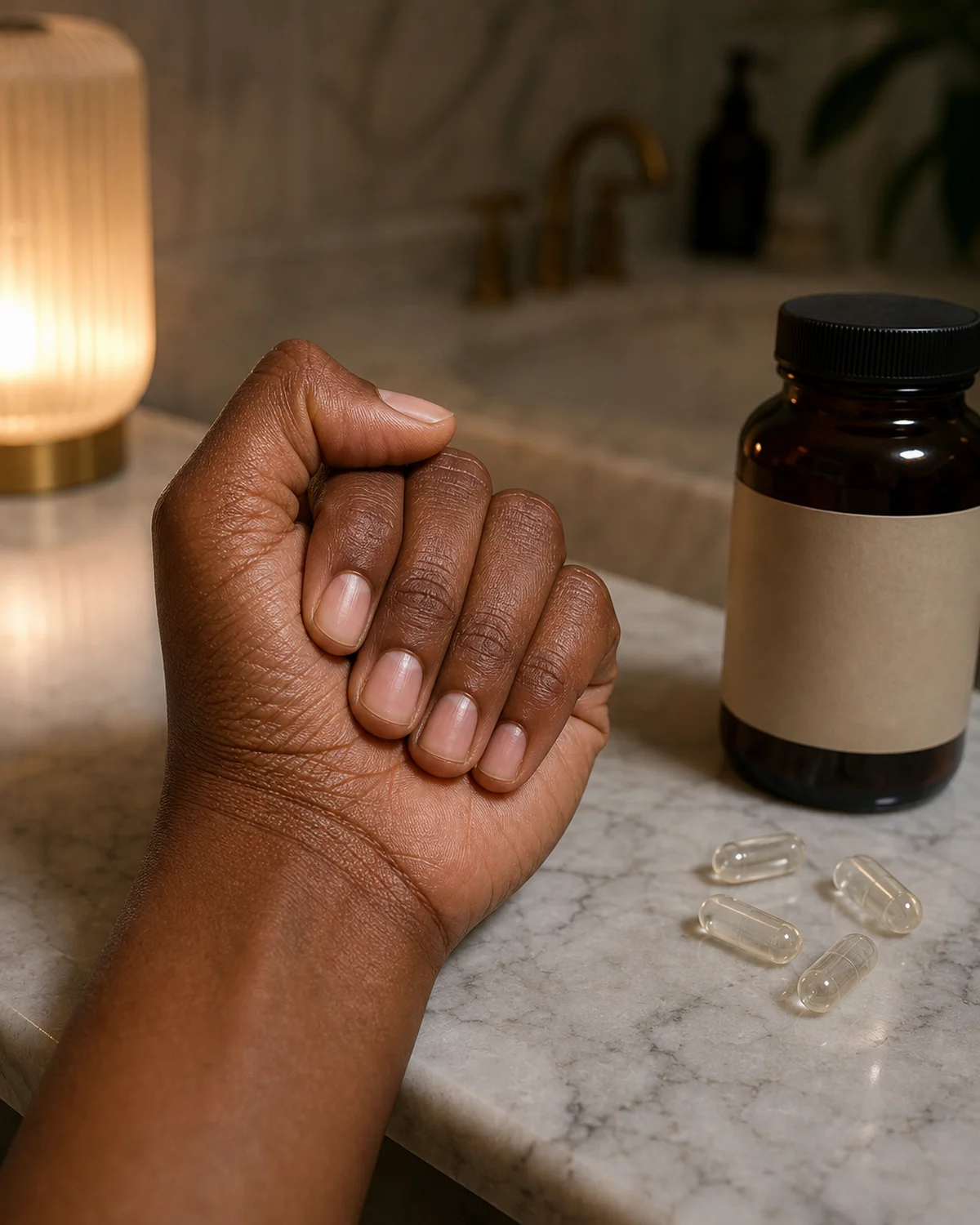
Clinical studies using 2500 micrograms of biotin daily show measurable improvement in nail plate thickness at eight to twelve weeks. Biotin acts at the nail matrix, and the full plate takes that long to grow from root to free edge.
The new growth is thicker and less prone to splitting, but it only becomes visible as the old weak nail grows out and is filed away.
Most people quit biotin after two weeks because nothing visible has changed. The supplement was working the entire time — the matrix was already producing denser keratin — but that keratin had not yet reached the part of the nail they could see. Patience through the eight-week window is the single biggest factor in whether biotin delivers results.
- 2500 mcg daily is the clinically studied dose.
- Visible results at eight to twelve weeks, not sooner.
- Biotin acts at the matrix — new growth is thicker from the start.
- The old weak nail must grow out before results show at the tip.
- Quitting at two weeks is the most common reason biotin "didn't work."
3. Keratin Treatments vs. Nail Hardeners — One Builds, the Other Stiffens
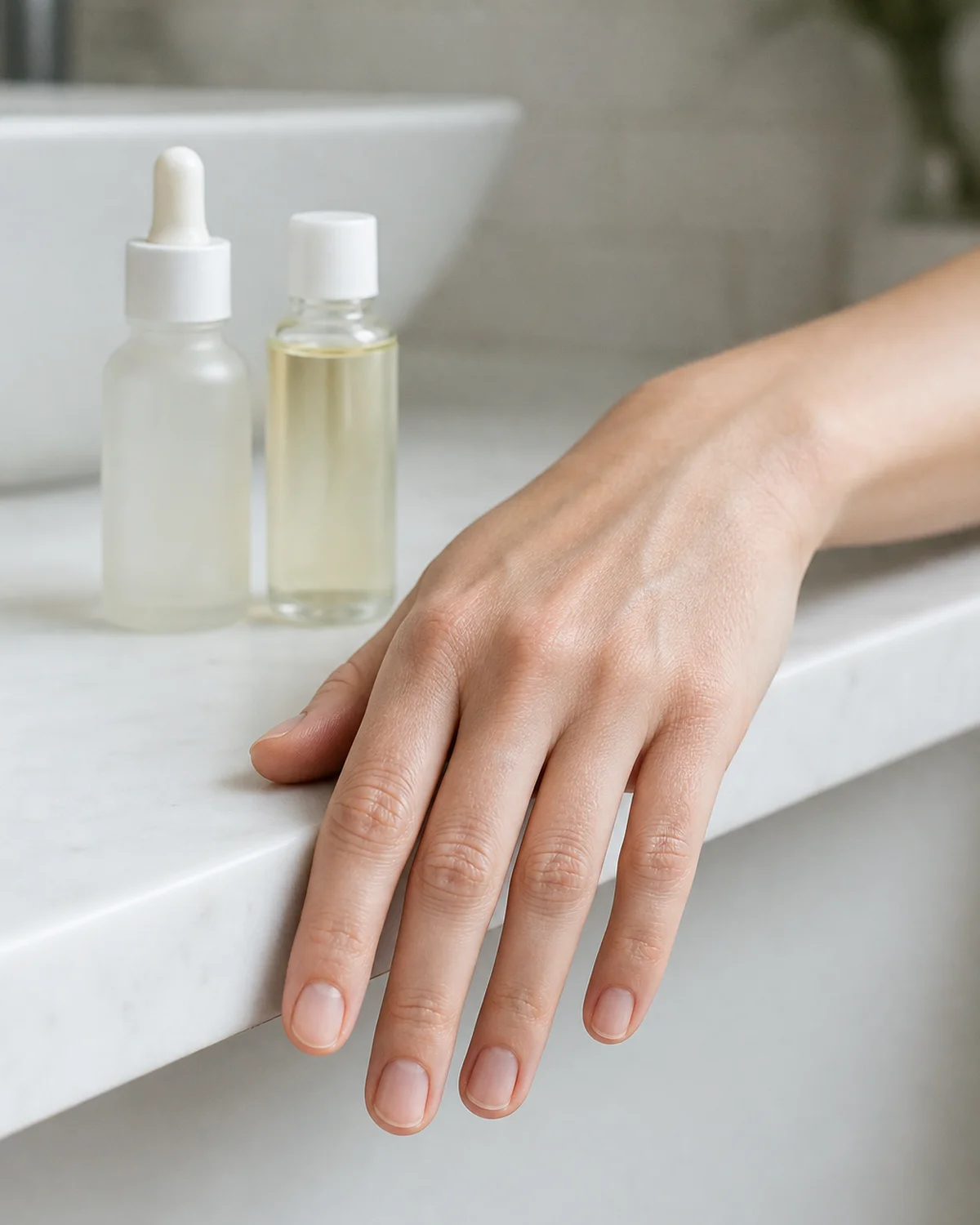
Keratin treatments infuse hydrolyzed protein into the gaps between the nail plate's natural keratin layers. They rebuild flexibility and resilience — the nail bends slightly under pressure without snapping. Hardeners deposit a resin or formaldehyde-derivative coating on the surface that stiffens the plate into a rigid shell. The nail resists bending but becomes brittle under sudden impact.
The wrong choice makes the problem worse. Flexible nails that bend too easily need the rigidity of a hardener. Brittle nails that snap and split need the flexibility of a keratin treatment. Using a hardener on already-brittle nails makes them shatter. Using keratin on already-flexible nails keeps them bendy. Diagnosis from method one determines which product to reach for.
- Keratin rebuilds internal structure — flexibility and resilience.
- Hardener adds surface rigidity — stiffness and resistance to bending.
- Hardener on brittle nails makes them shatter more easily.
- Keratin on flexible nails leaves them too bendy.
- Match the product to the diagnosis: bend = hardener, snap = keratin.
4. Soak Nails in Olive Oil for Ten Minutes and Feel the Difference by Morning
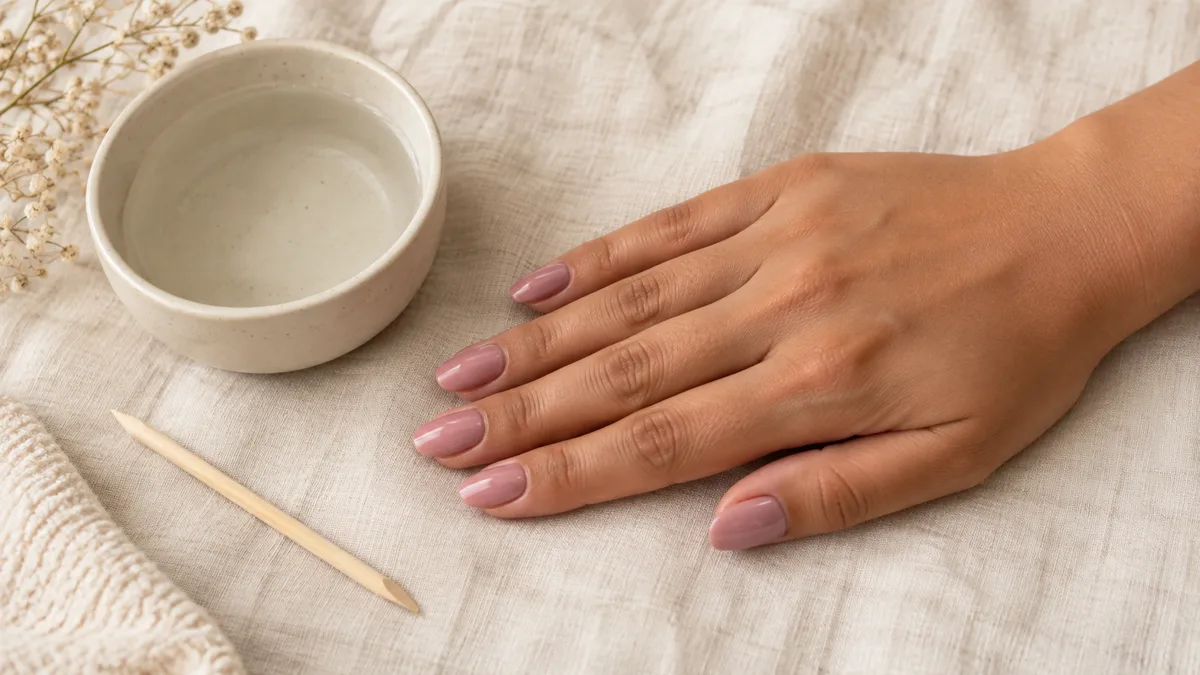
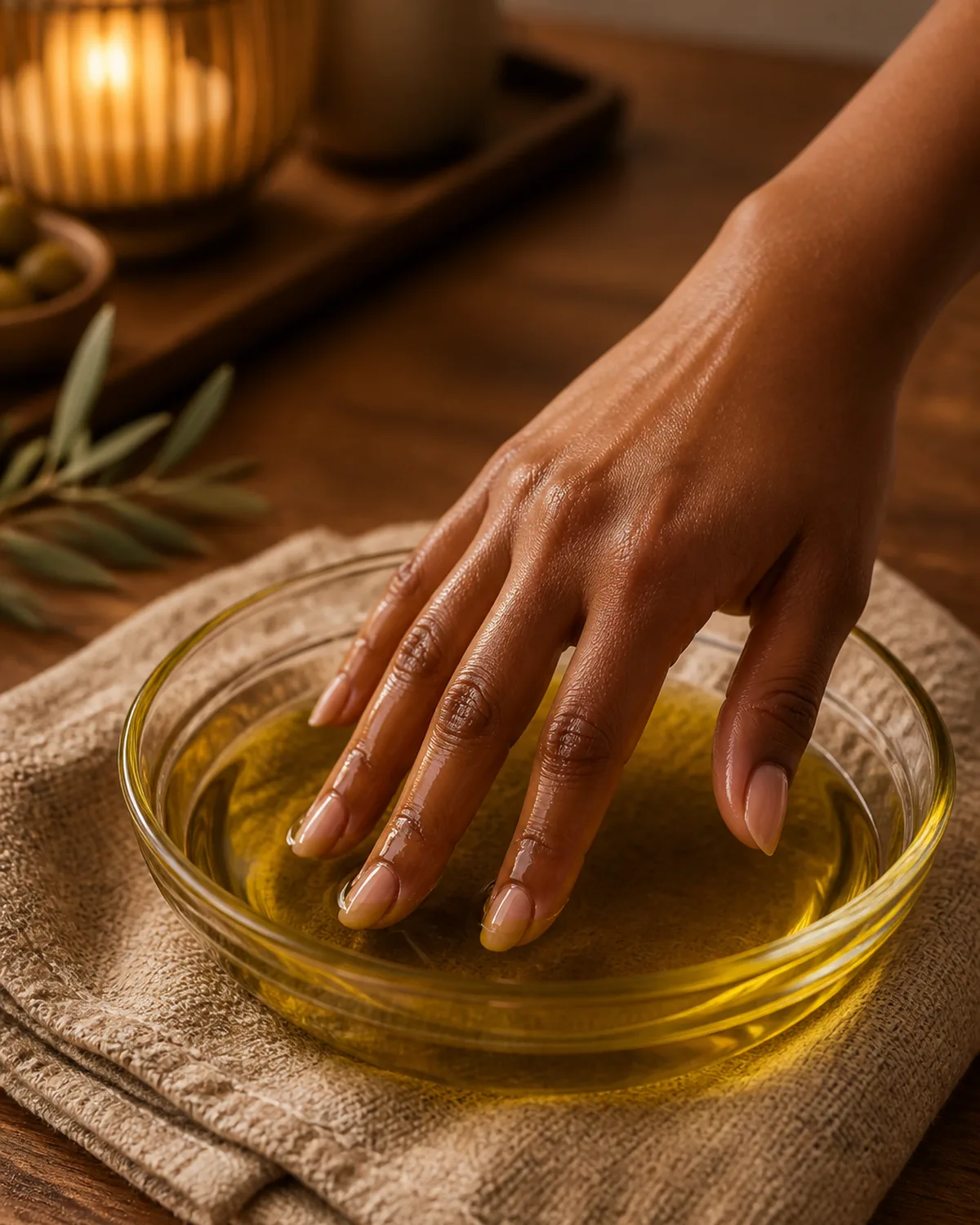
Warm a small glass bowl of olive oil — warm to the touch, not hot — and submerge all ten fingertips for ten minutes. Olive oil penetrates the nail plate and the surrounding cuticle skin, restoring pliability to keratin that has dried out from hand washing, sanitizer, seasonal humidity drops, or acetone exposure.
After the soak, blot the oil with a soft towel but do not wash it off. Let the remaining film absorb overnight. By morning, the nails feel noticeably less rigid and the cuticles are softer. This is not a cure for structural weakness — it is an immediate rescue for dehydration-driven peeling. Two soaks a week maintain the effect while longer-term methods build density from the matrix.
- Warm olive oil, not hot — comfortable to the touch.
- Ten minutes submerged, then blot without rinsing.
- Let the remaining oil absorb overnight.
- Immediate rescue for dehydration-driven peeling.
- Two soaks a week maintain pliability while supplements build density.
5. She Wore Dish Gloves for a Month and Her Nails Stopped Splitting
Water is the number-one cause of nail-plate expansion and contraction. Each time nails get wet, the keratin absorbs water and swells. Each time they dry, the keratin contracts. That cycle pulls lipids from between the layers, weakening the bonds that hold them together. Dish soap strips whatever lipid protection is left, and hot water accelerates the damage.
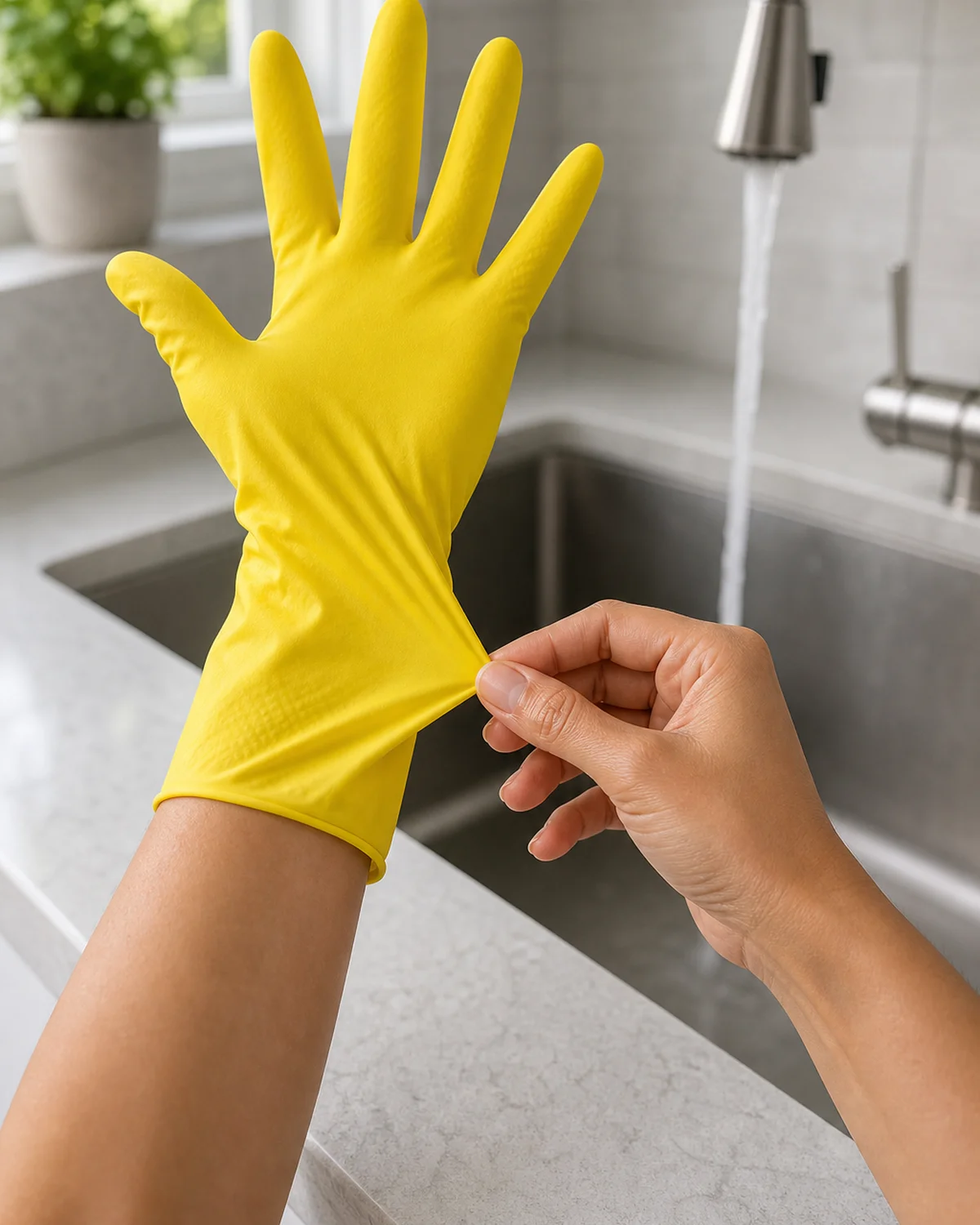
A thirty-day commitment to rubber gloves during dishes, cleaning, and any task involving prolonged water contact stops the cycle entirely. The nail that grows out during those thirty days has never been subjected to the swell-and-shrink damage, and it arrives at the free edge measurably stronger.
This single behavior change outperforms most products. See also: at home manicure for more protection habits during nail care.
- Water swells keratin; drying shrinks it — the cycle weakens layers.
- Dish soap strips protective lipids between keratin sheets.
- Rubber gloves eliminate the wet-dry cycle during household tasks.
- Thirty days of consistent glove use produces visibly stronger new growth.
- This single habit outperforms most nail-strengthening products.
6. Collagen Peptides Reach the Nail Matrix — Eventually
Hydrolyzed collagen peptides taken orally — five to ten grams daily mixed into coffee, smoothie, or water — are absorbed as amino acid fragments that circulate through the bloodstream and concentrate at fast-turnover tissues including the nail matrix.
Studies show increased nail growth rate and reduced breakage at twelve weeks, slower than biotin but complementary.
Collagen addresses a different layer of the problem. While biotin supports keratin production directly, collagen provides the amino acid building blocks that the matrix uses to construct the nail plate. Taking both creates a one-two effect: denser keratin from biotin, richer raw material from collagen. Neither replaces the other.
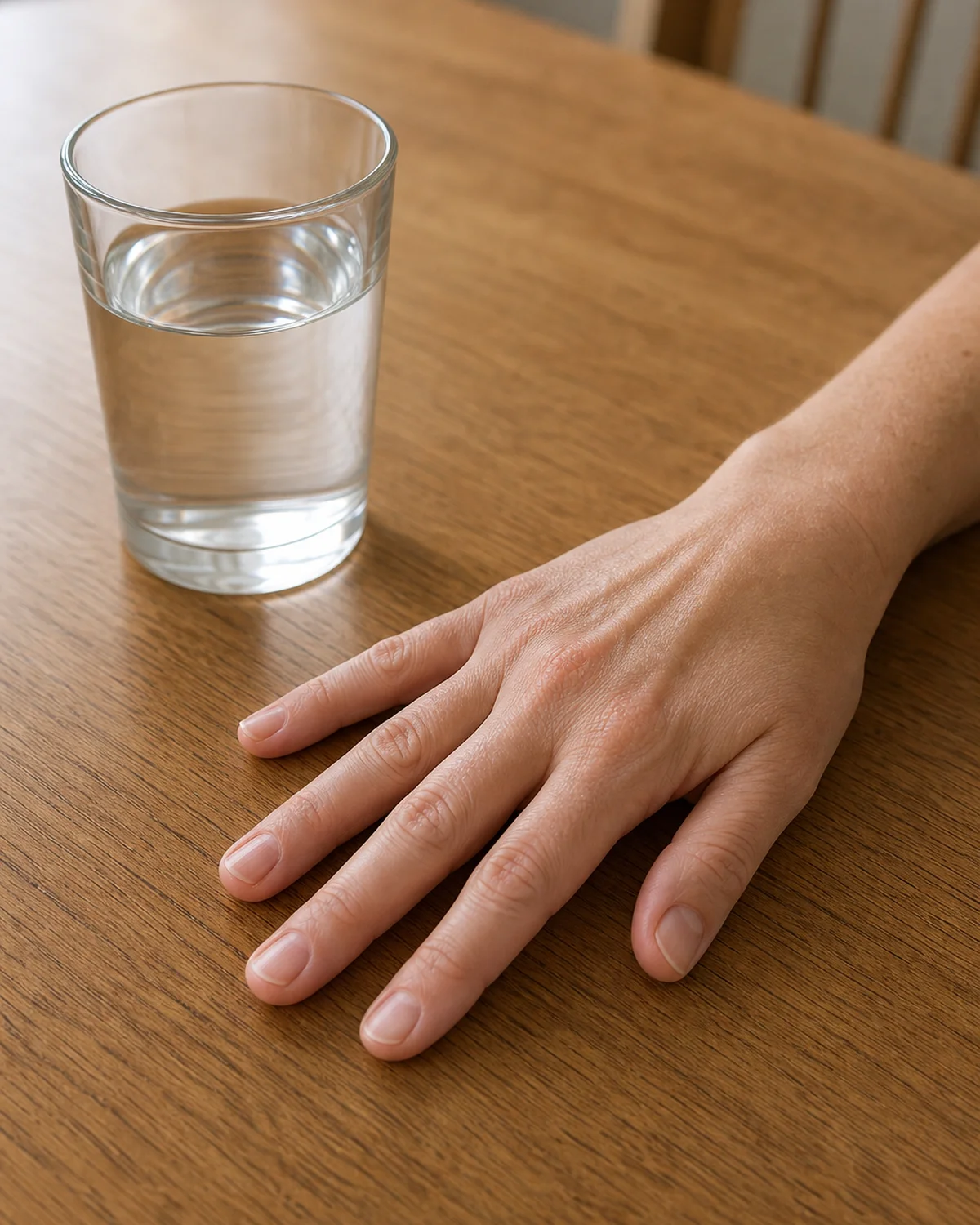
- Five to ten grams daily of hydrolyzed collagen peptides.
- Absorbed as amino acid fragments that reach the nail matrix.
- Results visible at twelve weeks — slower than biotin but complementary.
- Collagen provides raw material; biotin supports keratin production.
- Taking both together produces a stronger combined effect.
7. Filing Wet Nails Is the Fastest Way to Destroy Them
A wet nail plate is expanded, softened, and fragile. The keratin layers are swollen with water and the bonds between them are at their weakest. Filing or shaping in that state does not sand the surface smooth — it peels the top layers apart. The damage is invisible immediately but shows up two days later as white patches, peeling, and splits at the free edge.
Always file fully dry nails, at least thirty minutes after any water contact. Use a glass file rather than emery board — the fused grit cuts cleaner and creates less friction heat. File in one direction only, from outer corner toward center, never sawing back and forth. The one-direction rule prevents the keratin layers from being pushed apart by alternating forces.
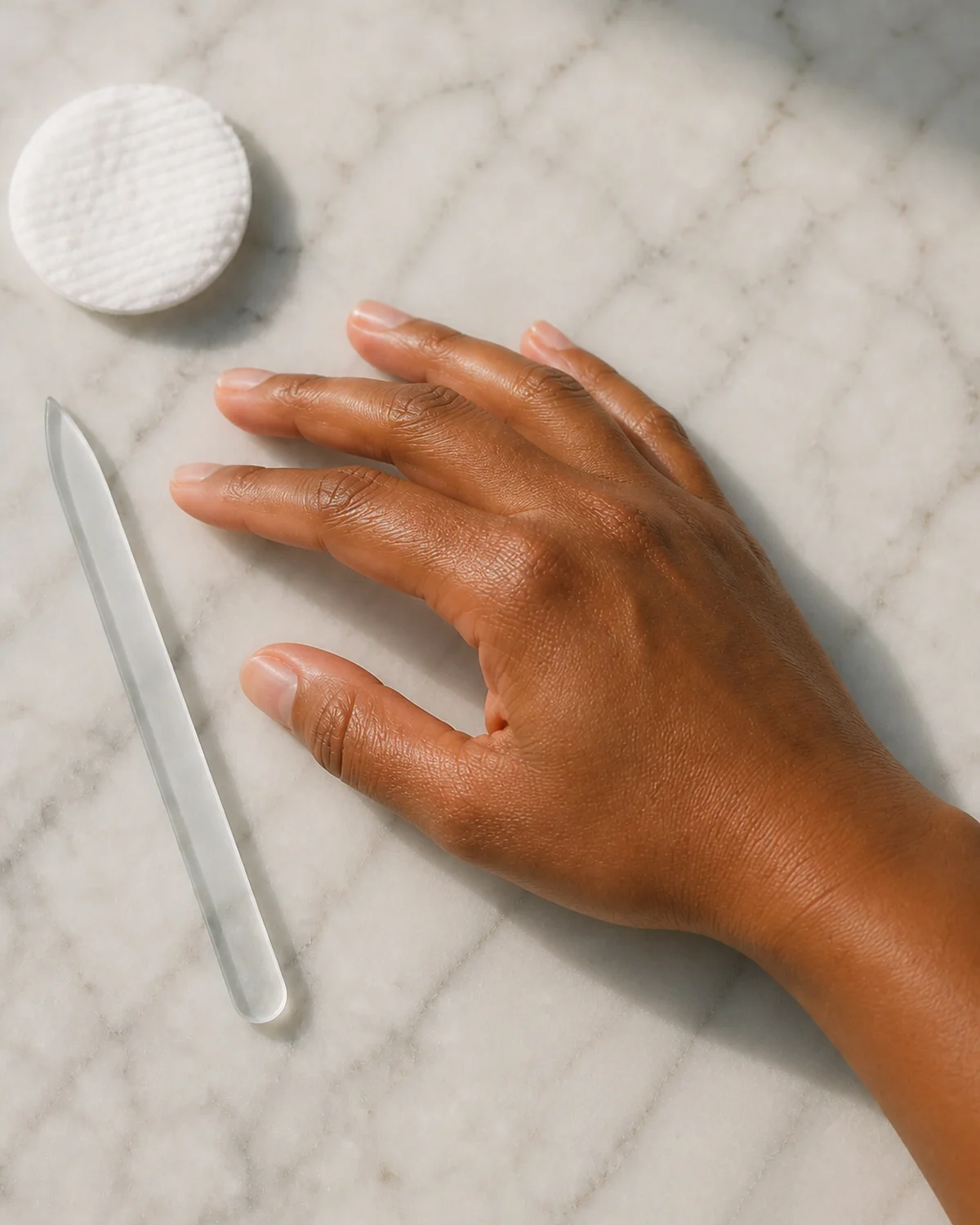
- Wet nails are expanded and fragile — filing peels layers apart.
- Wait at least thirty minutes after water contact before filing.
- Glass file cuts cleaner than emery board with less friction.
- One direction only — never saw back and forth.
- Damage from wet filing shows as peeling two days later.
8. A Strengthening Base Coat Every Three Days, Even Without Color
A strengthening base coat — formaldehyde-free, infused with calcium, biotin, or keratin protein — worn alone as the only product on the nail protects the plate from daily mechanical abrasion. Desk edges, phone screens, zippers, bag clasps, and keyboard keys all create micro-friction that wears down the surface layer of unprotected nails.
Reapply every three days: remove the old coat with a gentle remover, then apply one fresh thin coat. This cycle maintains coverage without buildup that yellows or peels.
The nail underneath stays shielded while the matrix pushes stronger growth forward. See also: french tip nails for how a base coat also prevents staining from colored polish.
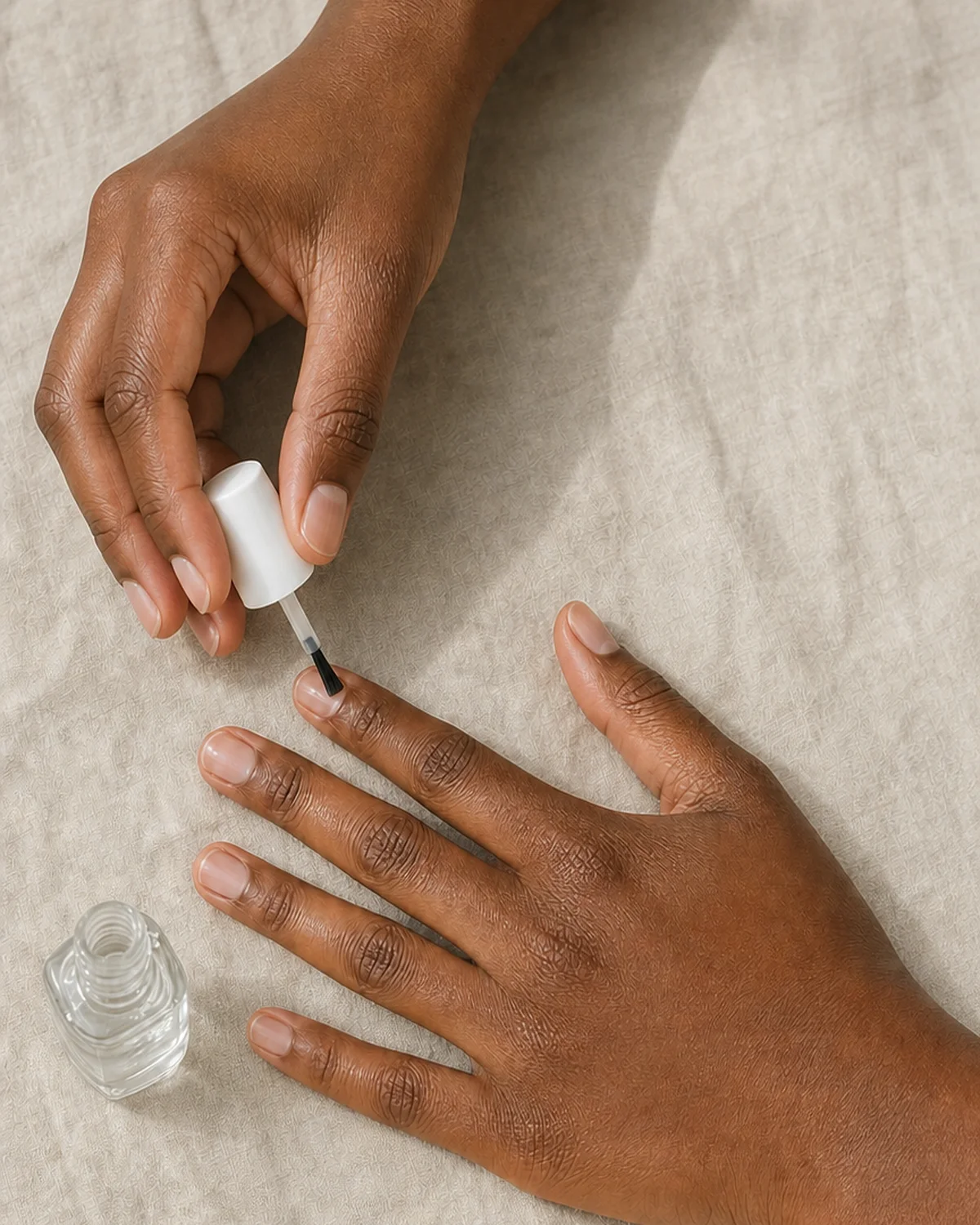
- Strengthening base coat worn alone as daily armor — no color needed.
- Reapply every three days to maintain coverage without buildup.
- Formaldehyde-free formulas with calcium, biotin, or keratin are safest.
- Shields the plate from micro-friction that wears down the surface.
- The matrix pushes stronger growth forward while the coat protects.
Both work — they fix different layers of the same problem.
9. Iron, Zinc, and the Nutrients Nobody Tests For
Spoon-shaped nails — called koilonychia — where the plate curves upward at the edges instead of lying flat are a classic sign of iron deficiency. White spots that appear at the cuticle and move forward with growth suggest zinc deficiency. Neither condition responds to topical products because the deficiency is systemic, not local.
A basic blood panel checking ferritin (stored iron) and serum zinc identifies the gap. Iron supplementation under medical guidance resolves the spoon-shaped curvature as new nail grows in.
Zinc supplementation stops the white spots from forming at the matrix. These are not beauty supplements — they are corrections for measurable deficiencies that happen to show at the nails first.
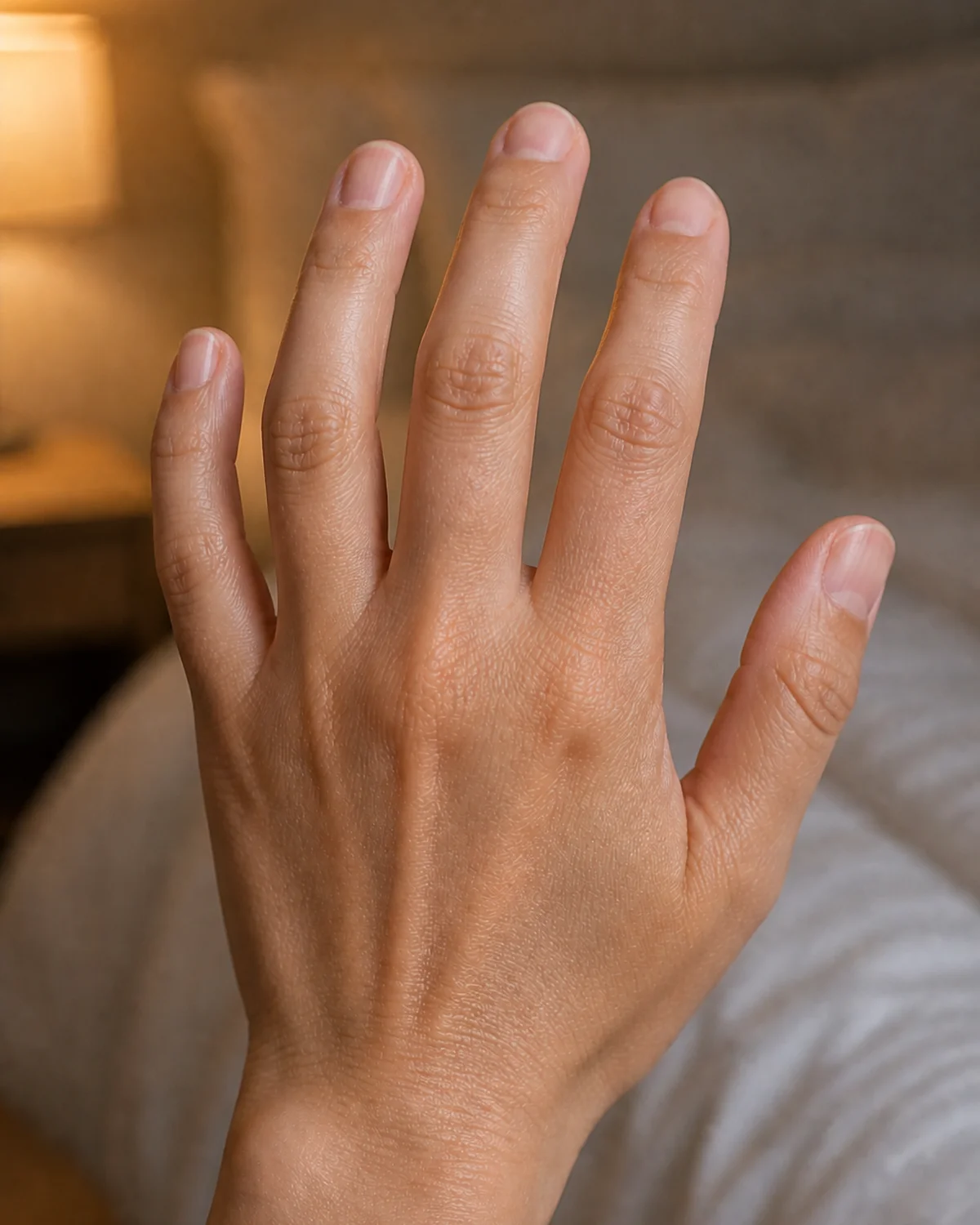
- Spoon-shaped nails (koilonychia) = classic iron deficiency sign.
- White spots moving with growth = possible zinc deficiency.
- Neither responds to topical products — the cause is systemic.
- A blood panel checking ferritin and serum zinc identifies the gap.
- Supplementation under medical guidance resolves both over time.
10. Why Gel Removal Peels Off More Than Gel
Picking, peeling, or prying off cured gel pulls the top layers of the natural nail plate with it. In a single removal session, this can strip thirty to fifty percent of total plate thickness — damage that takes three full months of growth to replace. The nail underneath is paper-thin, rough, and splits under the slightest pressure.
Proper removal means acetone-soaked cotton wraps held against each nail for ten to fifteen minutes, loosening the gel chemically until it lifts on its own. A wooden stick — never metal — nudges any remaining gel.
One correct removal preserves more nail structure than three months of biotin can rebuild. See also: gel nails at home for the full soak-off removal process.

- Picking off gel strips thirty to fifty percent of nail plate thickness.
- Damage takes three months of growth to fully replace.
- Acetone-soaked cotton wraps for ten to fifteen minutes dissolve gel.
- Wooden stick only — metal scratches the exposed nail bed.
- One correct removal saves more nail than months of supplements.
11. Hydration From Inside: Eight Glasses Shows at the Cuticle First
Systemic dehydration shows at the nail bed and cuticle before it shows anywhere on the skin. Dry, tight cuticles that crack and pull away from the nail fold, and dull nail surfaces that lack their natural subtle shine, are the earliest visible markers of insufficient water intake.
Consistent daily water intake — eight glasses as a rough baseline — plumps the matrix tissue and supports the lipid layers between keratin sheets that prevent delamination. The effect is not dramatic or sudden. At four weeks of consistent hydration, the cuticle skin is softer, the nail surface is smoother, and the free edge peels less frequently. Not glamorous, but measurably effective.
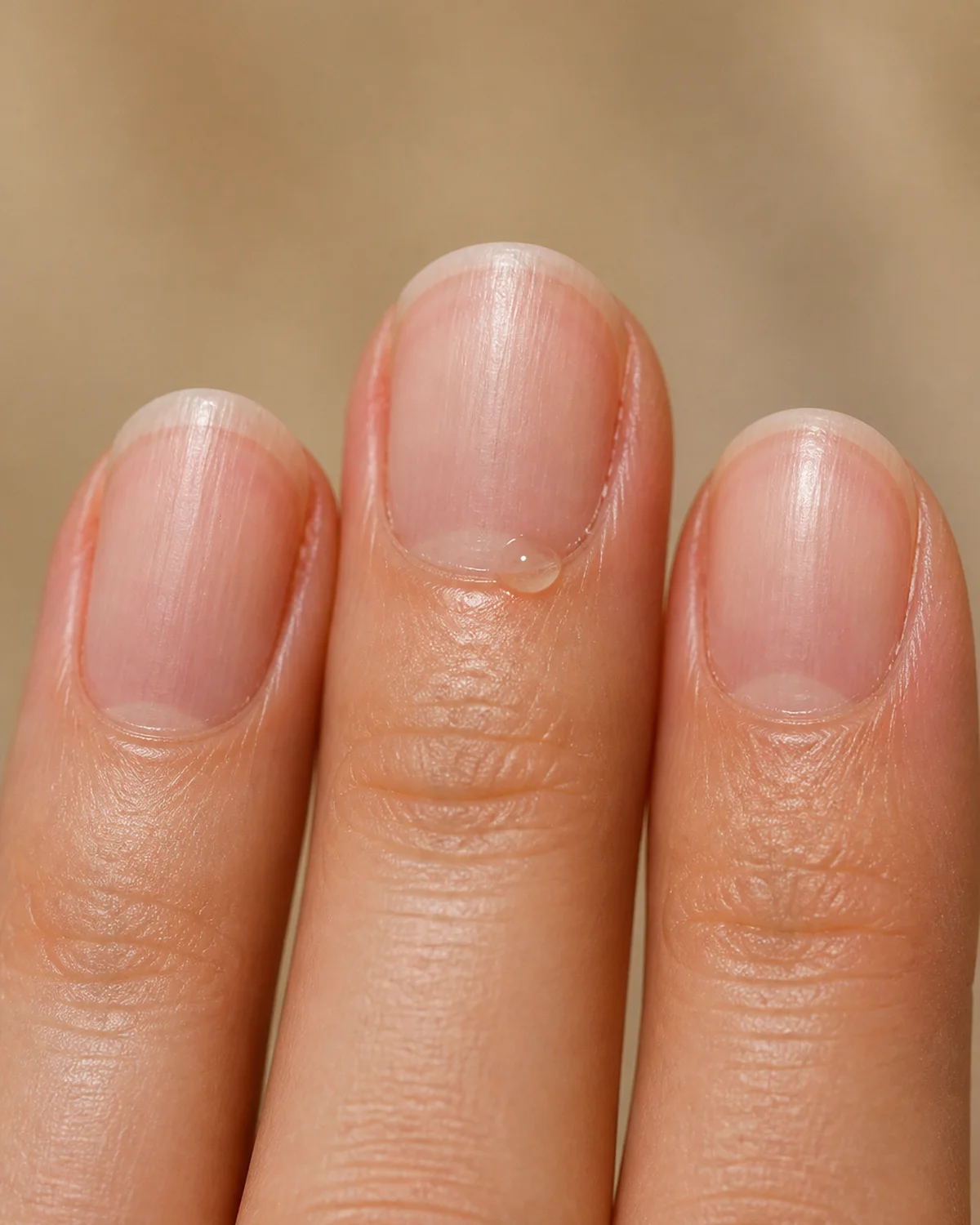
- Cuticles crack and nail surfaces dull before skin shows dehydration.
- Eight glasses of water daily is a rough baseline for nail health.
- Hydration supports the lipid layers that prevent keratin delamination.
- Visible improvement at four weeks of consistent daily intake.
- Complements topical hydration from oils and soaks.
15 Nail-Strengthening Methods to Try
- 1Diagnose firstPeeling, splitting, and bending each point to a different cause.
- 2Biotin, eight weeks2500 micrograms daily shows results at the matrix, not overnight.
- 3Keratin vs hardenerOne rebuilds flexible strength, the other stiffens — know which you need.
- 4Olive oil soakTen warm minutes tonight, a visible difference by morning.
- 5Dish glovesA month of gloves stops the wet-dry cycling that splits nails.
- 6Collagen peptidesFive to ten grams daily, absorbed as fragments that eventually arrive.
- 7Never file wetA swollen wet plate is at its weakest — shape dry or not at all.
- 8Strengthening base coatWorn alone every three days, it shields the plate from daily impact.
- 9Check iron and zincSpoon-shaped nails and white spots are deficiency signals.
- 10Remove gel properlyPrying strips up to half the plate thickness in one session.
- 11Hydrate from insideDehydration shows at the cuticle before anywhere else.
- 12Ridge-filling primerLevels the weakest lines while shielding them.
- 13Nails are not toolsEvery pried lid bends the free edge backward and cracks the layers.
- 14Vaseline overnightJelly under cotton gloves locks moisture in while you sleep.
- 15The twelve-week resetSloane's full stack that rebuilt paper-thin post-acrylic nails.
styvea.com
12. Ridge-Filling Primer Does Double Duty — Smooths and Shields
Vertical ridges on the nail surface are not just cosmetic — they are thinned-out lines where the plate is weakest. A ridge-filling base coat levels those ridges with a slightly thicker formula that fills the grooves, and the deposited layer reinforces the thinnest points of the nail.
Choose a ridge filler with calcium or nylon fibers for structural benefit beyond cosmetic smoothing. Worn alone or under color, it creates a second skin over the nail's most vulnerable areas. The ridges themselves do not go away — they grow from the matrix — but the filler prevents them from becoming the crack lines where splits start.
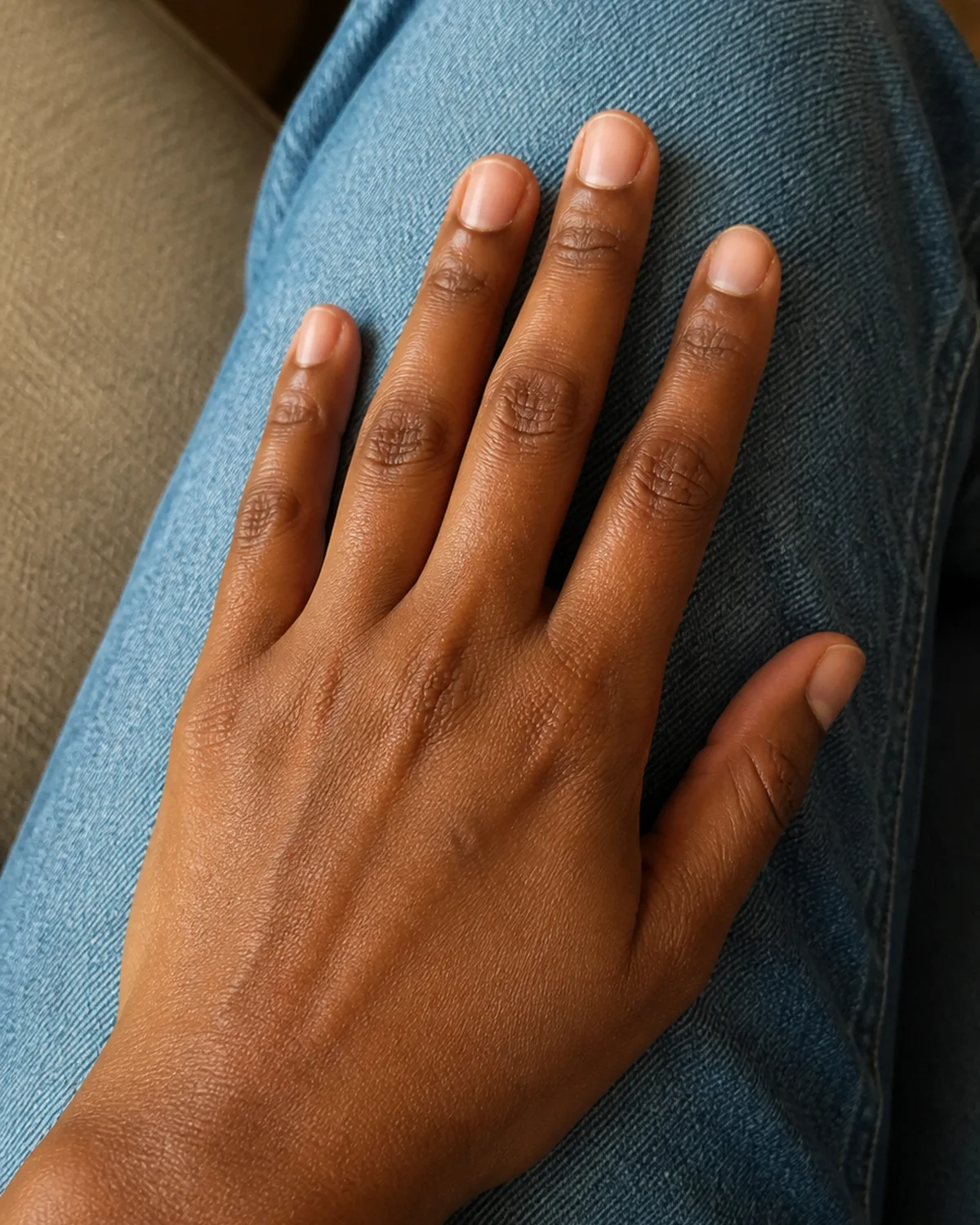
- Vertical ridges are thinned lines where the plate is weakest.
- Ridge filler levels the grooves and reinforces the thin spots.
- Calcium or nylon fiber formulas add structural support.
- Worn alone or under color — both work as daily protection.
- Ridges grow from the matrix — filler prevents them from becoming crack lines.
13. Stop Using Your Nails as Tools — the Prying Problem
Prying open a soda tab, scraping a label, lifting a ring-pull lid, peeling a sticker — each of these micro-lever events bends the free edge backward and cracks the dorsal keratin layer. The damage is cumulative and invisible until the nail suddenly splits along an old stress line that had been building for weeks.
Switching to fingertip pads or a coin for prying tasks eliminates the single largest mechanical stressor on natural nails. The behavior is so automatic that most people do not notice it happening. One week of conscious redirection — reaching for a butter knife instead of a thumbnail — breaks the habit and removes a damage source that no product can outpace.
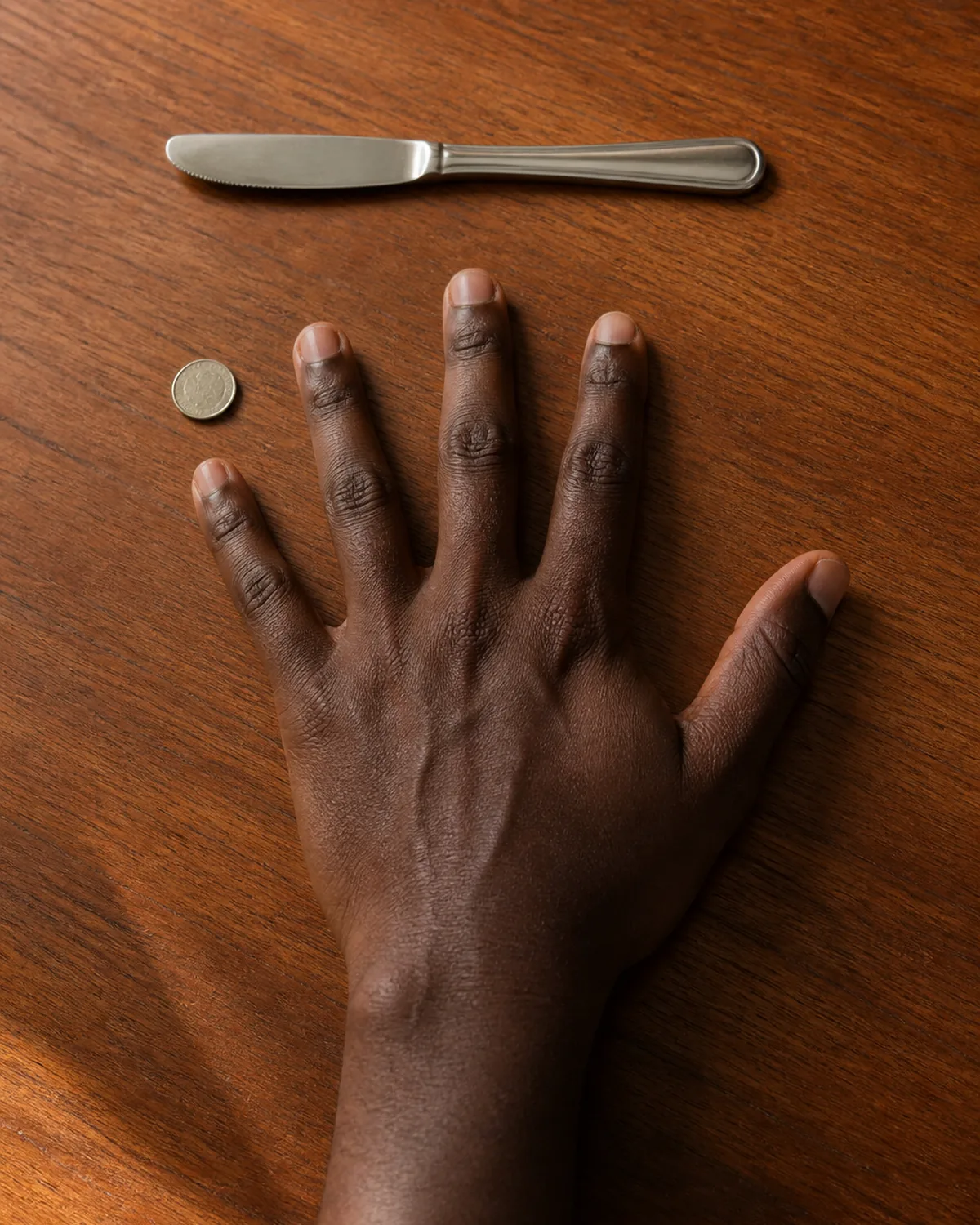
- Prying bends the free edge backward — cumulative invisible damage.
- The nail splits along old stress lines built over weeks.
- Switch to fingertip pads or a coin for all prying tasks.
- One week of conscious redirection breaks the automatic habit.
- No product can outpace the damage caused by regular prying.

Sloane Avery edits Styvea, where she shares nail design ideas, shapes, colors, and at-home manicure how-tos for anyone who loves a good manicure. Every guide is reviewed for clarity, usefulness, image accuracy, and Pinterest-to-page alignment before publication. Visit the About page.
14. Overnight Repair: Vaseline and Cotton Gloves While You Sleep
A thick layer of petroleum jelly over the nails and cuticles, sealed under cotton gloves overnight, creates an occlusive environment that prevents transepidermal water loss. The nail plate rehydrates slowly over eight hours, and the cuticle skin softens without manual pushing or chemical removers.
Three consecutive nights produces visible improvement in nail flexibility and cuticle condition. After the initial repair, two to three nights a week sustains the effect.
The petroleum jelly locks in whatever moisture is present — applying it after an olive oil soak amplifies both methods. See also: cuticle care for more detail on overnight cuticle treatments.
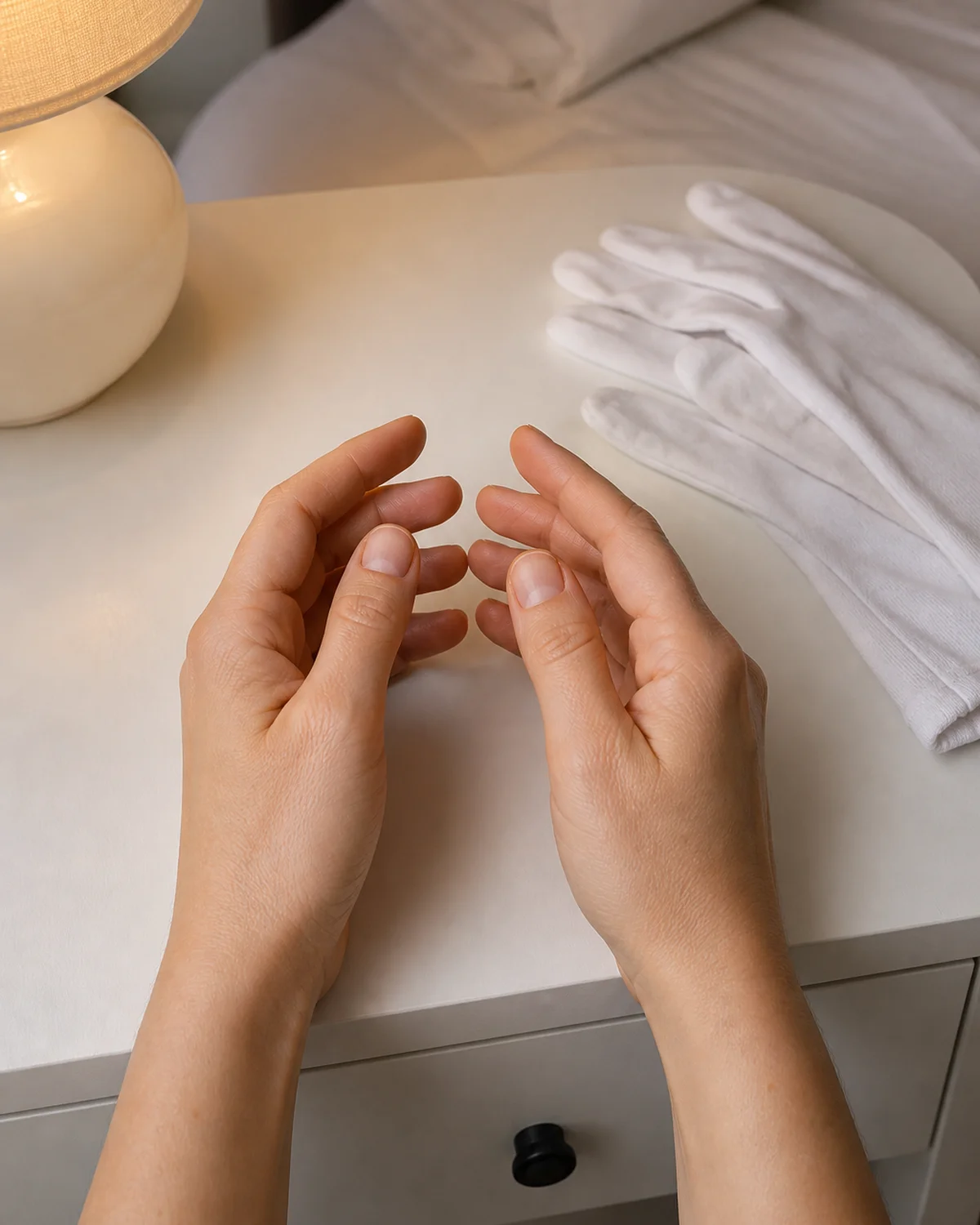
- Thick layer of petroleum jelly over nails and cuticles.
- Sealed under cotton gloves for eight hours overnight.
- Three consecutive nights for visible improvement.
- Maintain two to three nights a week after the initial repair.
- Apply after an olive oil soak to amplify both methods.
15. Sloane's Twelve-Week Reset — the Stack That Rebuilt Her Nails After Acrylics
After a year of acrylic sets removed by prying, Sloane's natural nails were paper-thin, peeling at every edge, and too weak to hold even a base coat without chipping within hours. The rebuild was not one product — it was a stack of four methods running simultaneously, each addressing a different layer of the problem.
The stack: biotin 2500 mcg daily for keratin density, collagen peptides five grams in morning coffee, olive oil soak twice weekly, Vaseline and cotton gloves three nights a week, strengthening base coat every three days, and dish gloves without exception.
Week four — peeling stopped. Week eight — new growth visibly thicker at the cuticle line. Week twelve — the full plate from matrix to free edge was replaced by stronger nail, and a coat of color lasted five days without chipping for the first time in over a year.
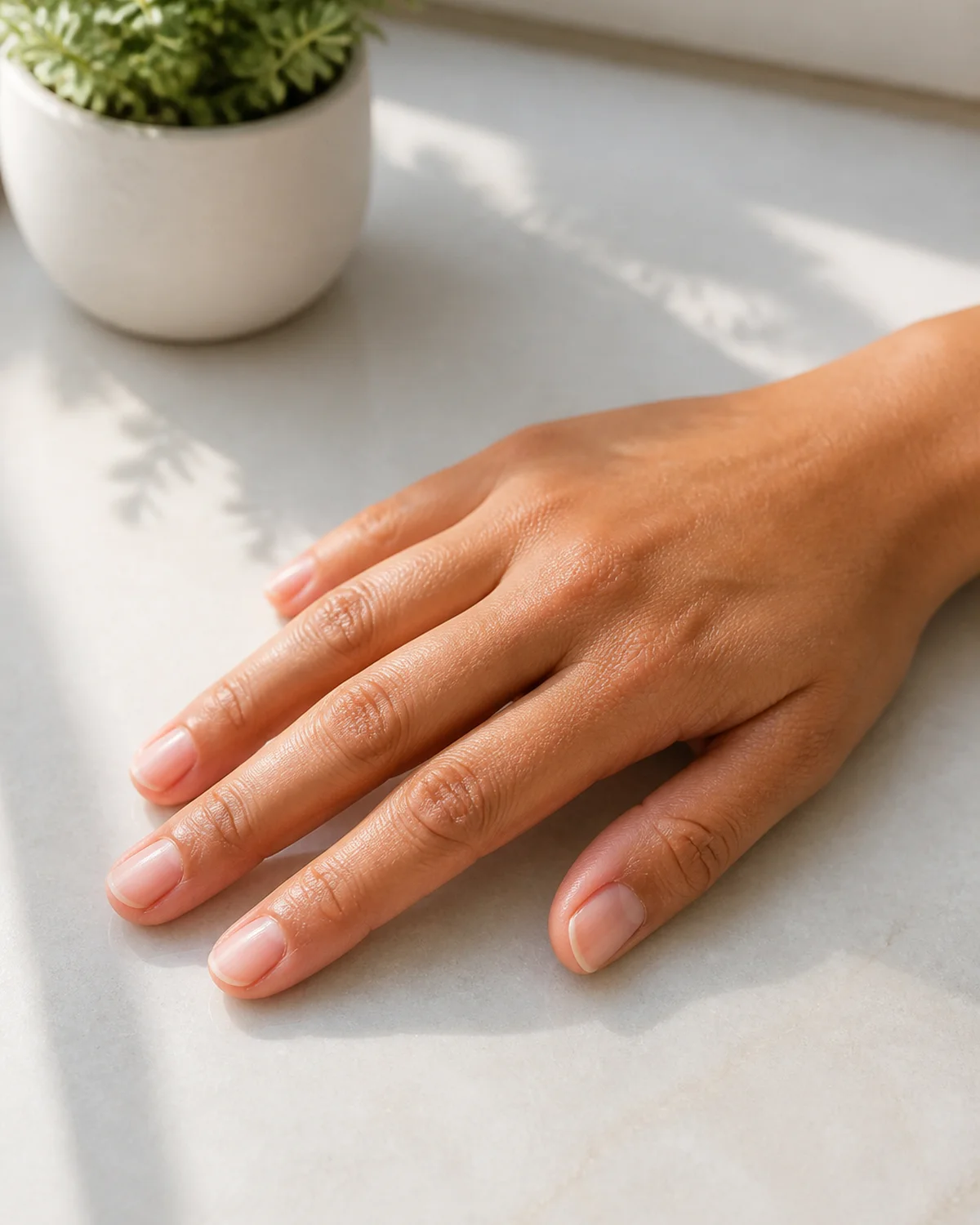
- The rebuild is a stack, not a single product.
- Biotin for density, collagen for raw material, oil for hydration.
- Vaseline gloves for overnight repair, base coat for daily armor.
- Dish gloves to stop the damage source entirely.
- Full plate replacement at twelve weeks — stronger nail from root to tip.
Quick answers for the most common nail strengthening questions.