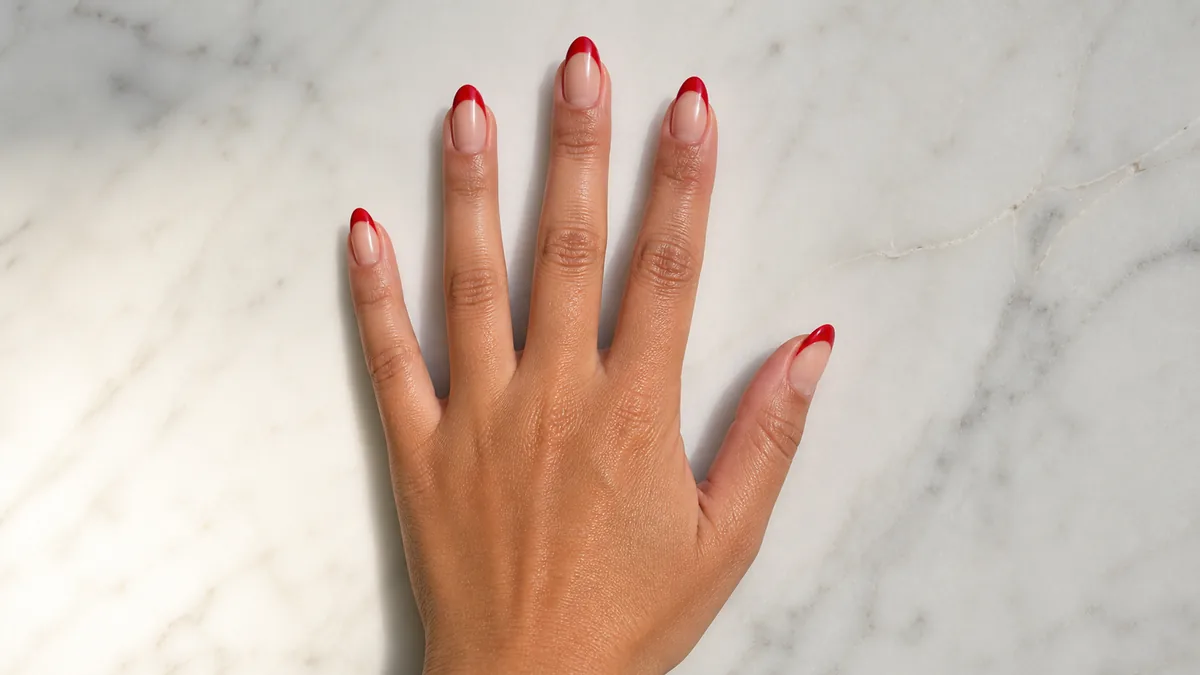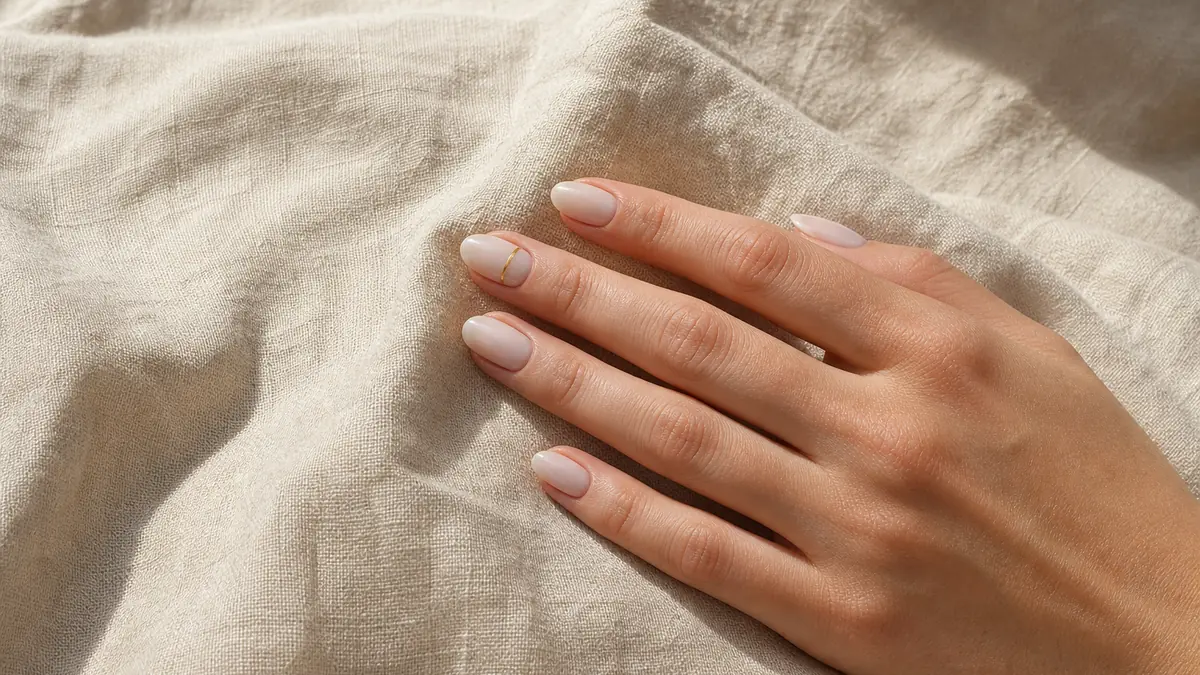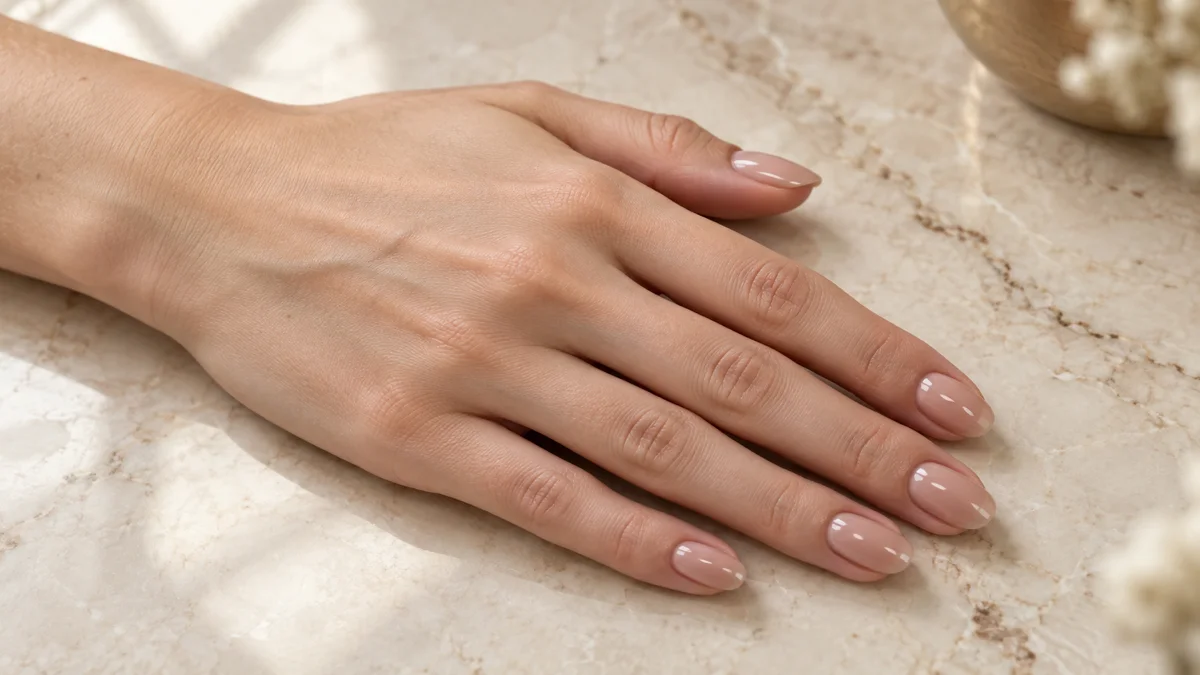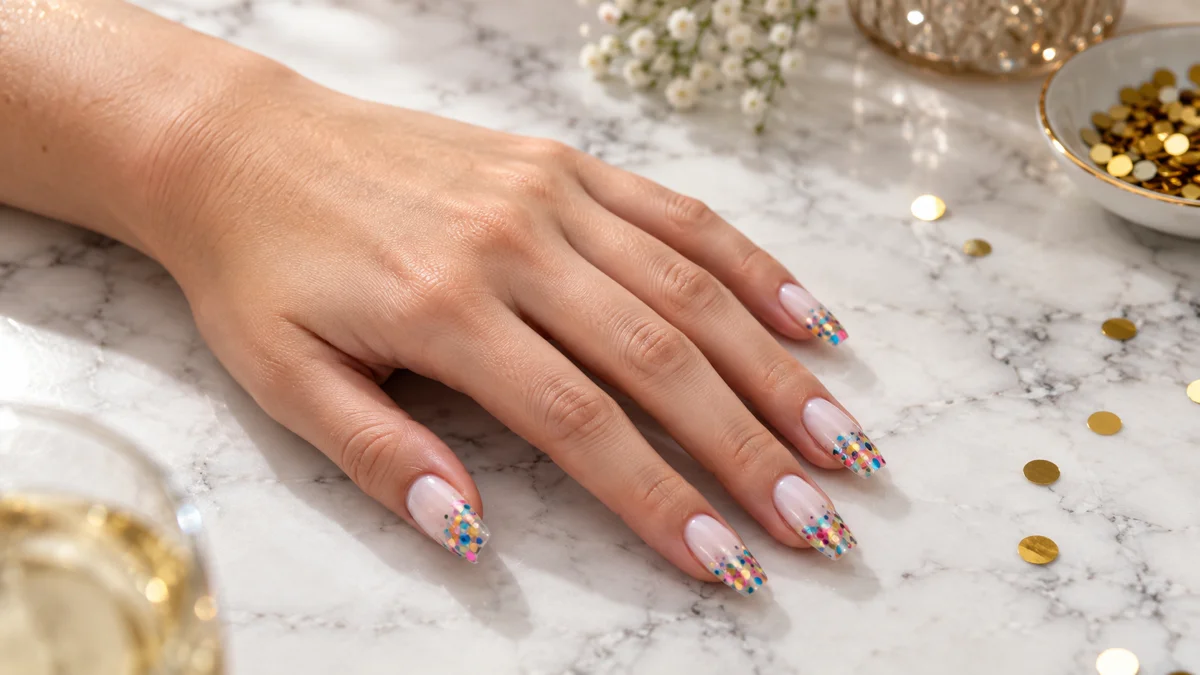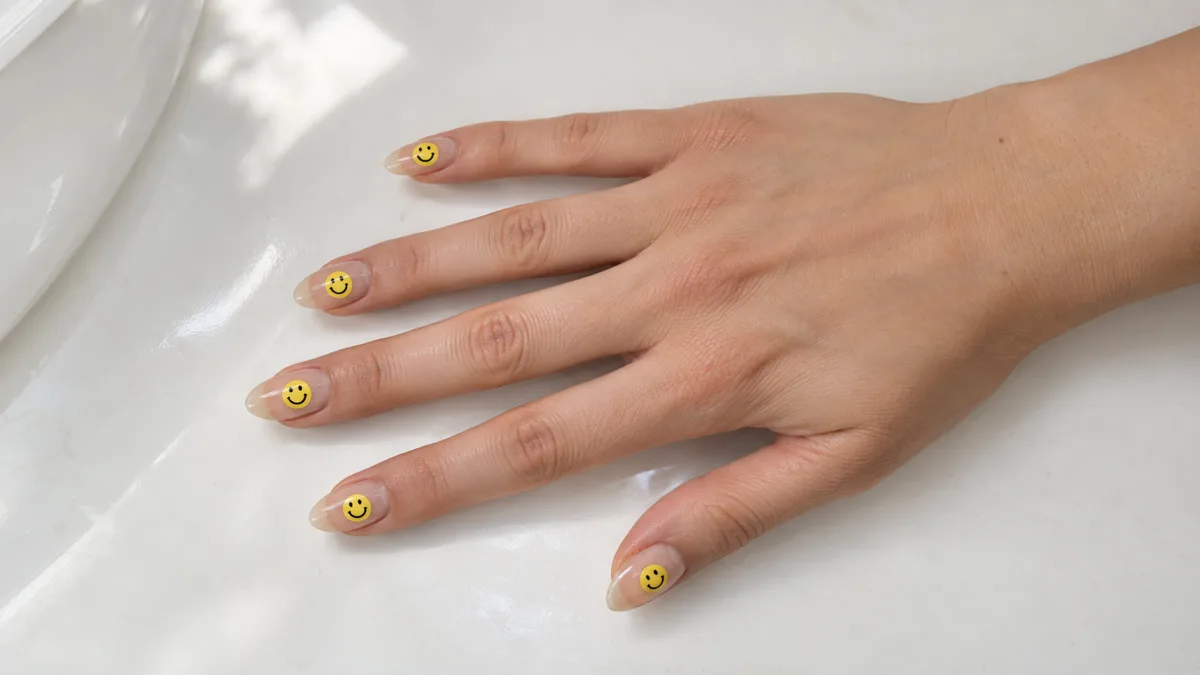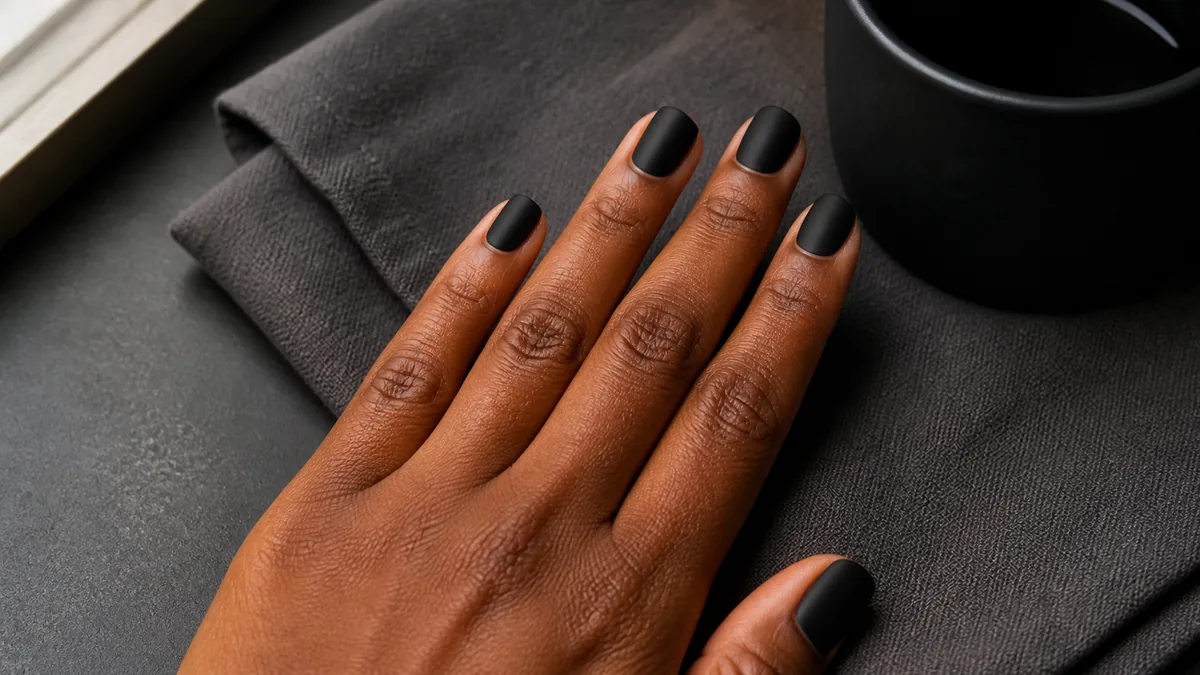
Matte nails strip every color down to its pigment. No reflection, no light bounce — just the color itself, flat and unapologetic on the nail plate. Nude looks like skin, black looks like velvet, burgundy looks like gallery art.
These ten looks prove that matte is not a single aesthetic but a lens — one that changes whatever color passes through it.
From classic matte black to ombré gradient. Tap any look to jump straight to it.
1. Classic Matte Black on Short Square
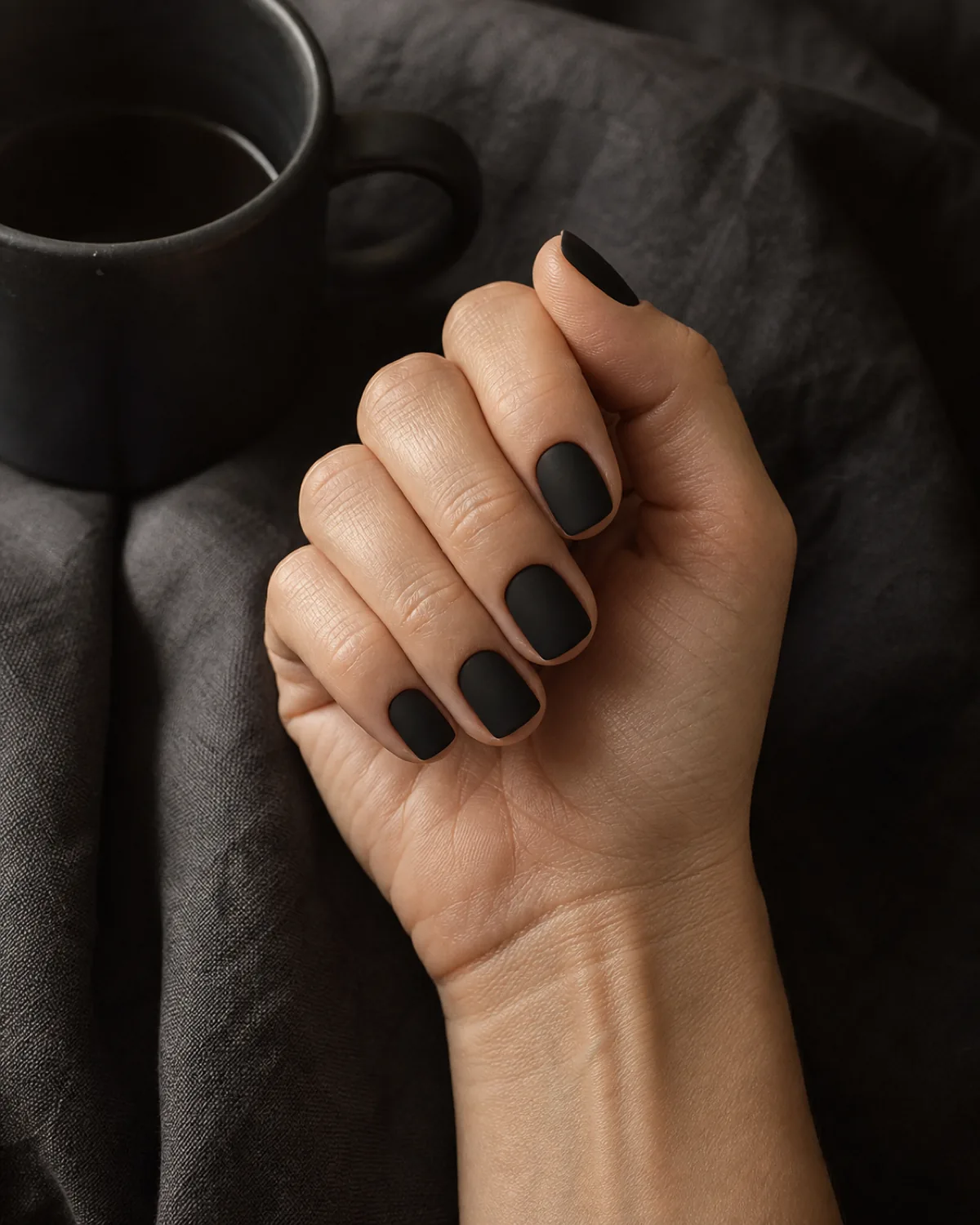
Matte black is the finish that turns a simple dark manicure into something that looks expensive. Glossy black nails catch light and read as polished — matte black absorbs it and reads as velvet. The surface behaves like suede rather than lacquer, and that texture shift changes the entire character of the color.
Short square nails suit matte black because the flat, architectural shape matches the flat, non-reflective surface. There is no curve fighting the finish — everything is deliberate edges and clean lines.
Two thin coats of black cream polish, then a matte topcoat. The matte topcoat must go on in one even stroke per nail without overworking — dragging the brush back and forth creates patchy spots where the finish is semi-matte rather than uniformly flat.
2. Matte Nude on Medium Almond
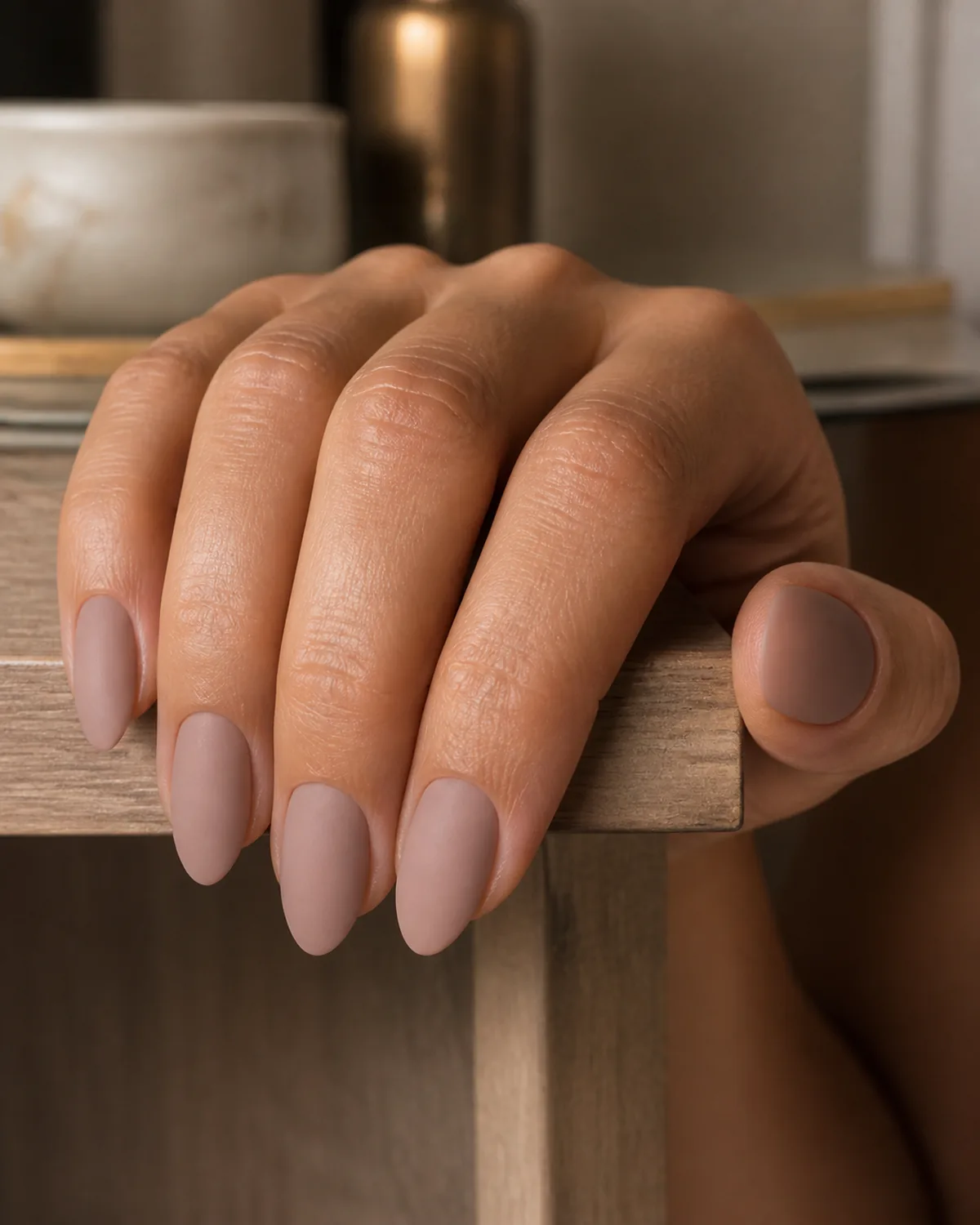
Matte nude turns the nail into an extension of the skin — not a polished surface sitting on top of the finger, but a seamless continuation of it. The velvety finish eliminates the visible boundary between polish and cuticle that glossy nude nails always have.
On medium almond nails, the tapered shape reads as naturally elegant. The matte nude finish disappears the polish so completely that the nail shape itself becomes the entire design.
Shade matching matters more with matte nude than any other matte color. Glossy nude can get away with being off by a shade because the shine distracts. Matte nude has nowhere to hide — the wrong tone reads as bandage, not polish. This is the matte version of the clean girl aesthetic.
3. Matte Burgundy on Coffin
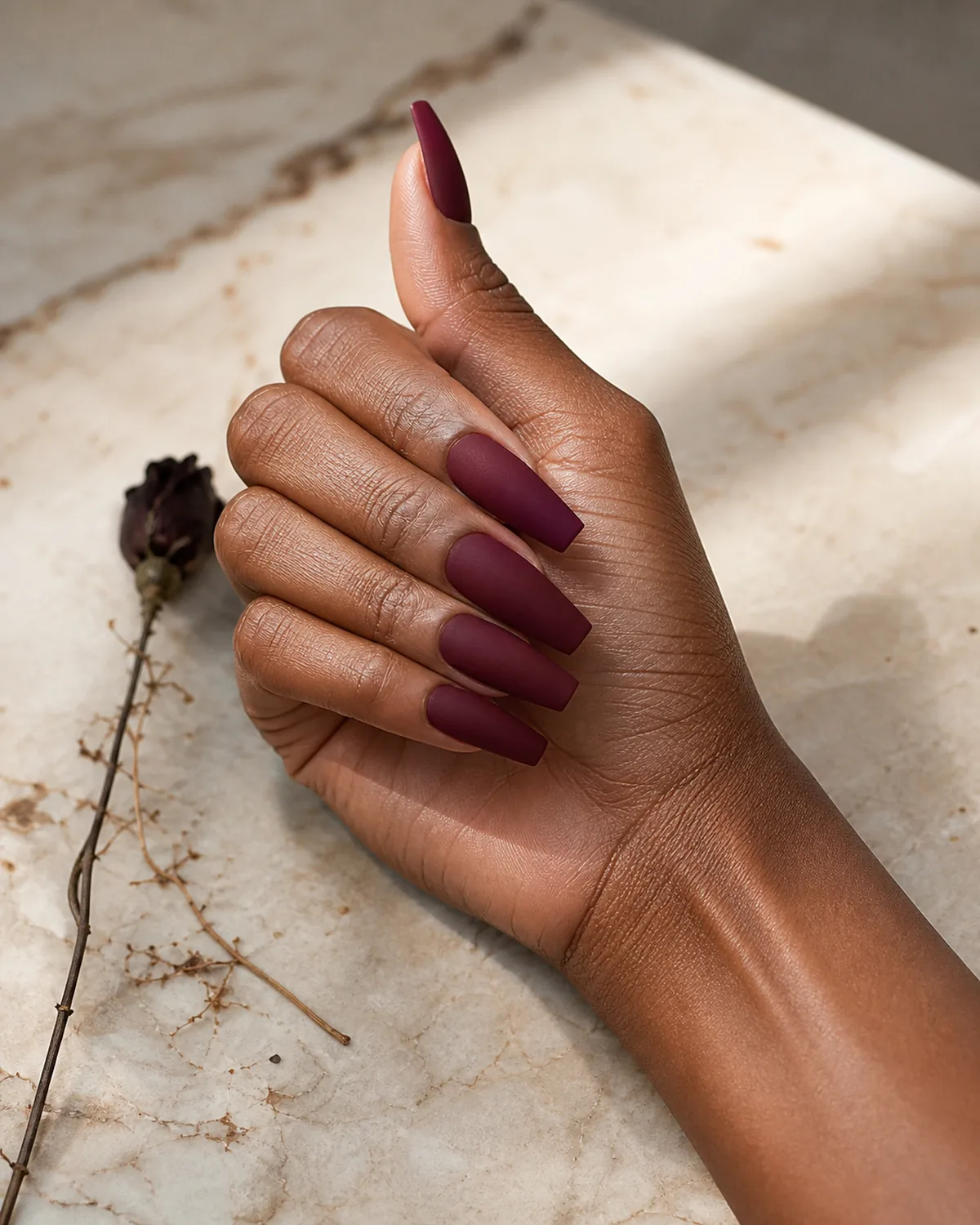
Glossy burgundy reads as classic and safe. Matte burgundy reads as deliberate and editorial — the flat finish deepens the wine-red tone and pulls out the purple undertone that gloss tends to flatten under reflected light.
On coffin nails, the long flat tip gives the matte surface maximum real estate. The finish turns the coffin silhouette from dramatic to sophisticated — it is the difference between a statement and a presence.
Burgundy polishes vary widely in undertone. For the most editorial matte result, choose a burgundy that leans toward wine or oxblood rather than cherry. The red-leaning shades fight the matte topcoat and can look dull rather than rich. The purple-leaning shades deepen beautifully.
Four factors that determine which matte combination will work best for you.
4. Matte and Glossy French on Oval
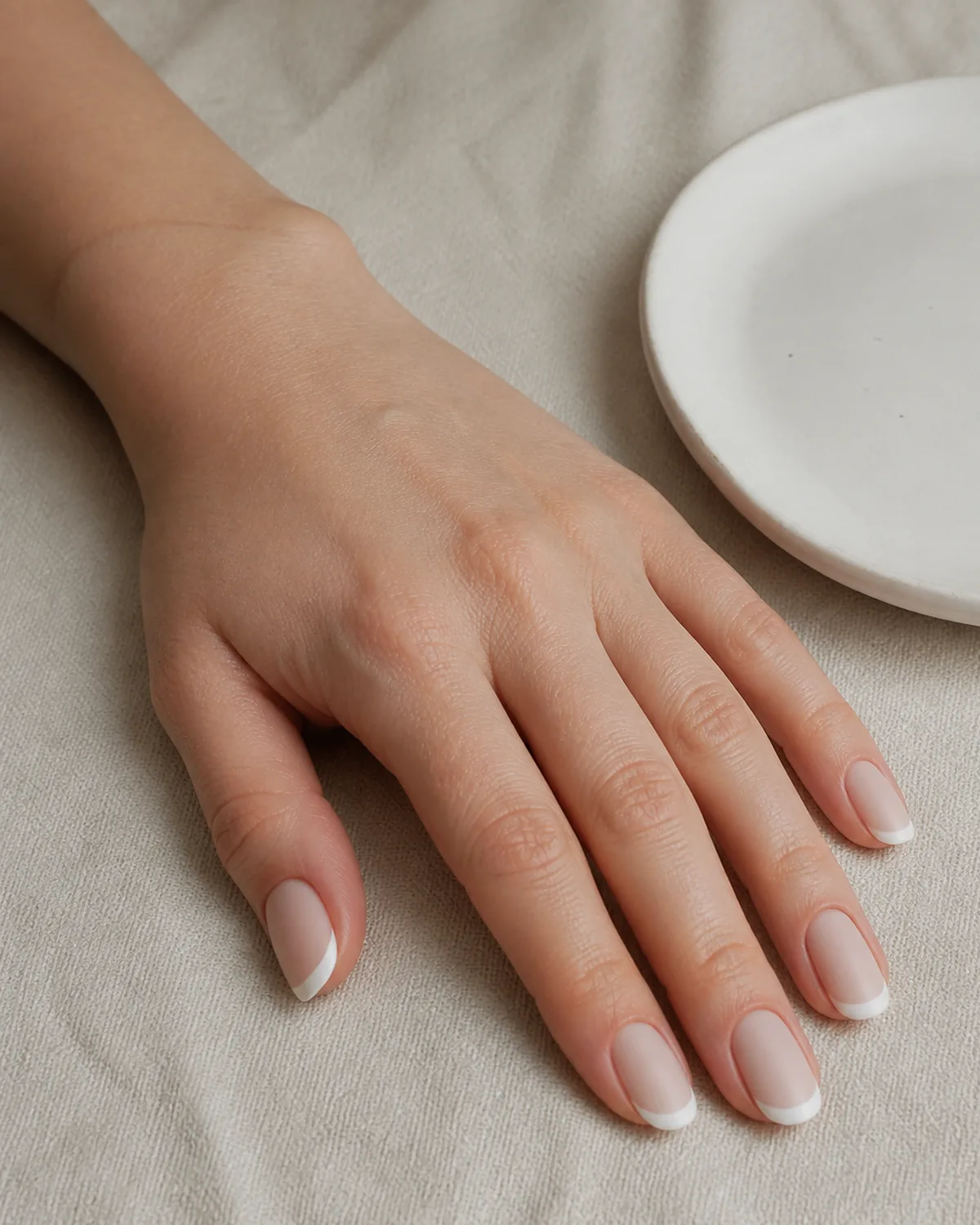
This is the French manicure reimagined through finish contrast rather than color contrast. The sheer nude base stays glossy while the white tips are sealed with a matte topcoat, creating two distinct textures on one nail that the eye reads as dimension rather than two separate elements.
On oval nails, the curved tip softens the boundary between matte and gloss so the transition feels organic. The matte white tip against the glossy nude base mimics the natural contrast between a buffed nail plate and a dry free edge — it looks designed but feels natural.
Apply glossy topcoat to the entire nail first, let it dry, then carefully apply matte topcoat only to the tip area using a thin brush. The glossy base must be fully dry or the matte topcoat will pull it into a semi-matte hybrid.
5. Matte Terracotta on Stiletto
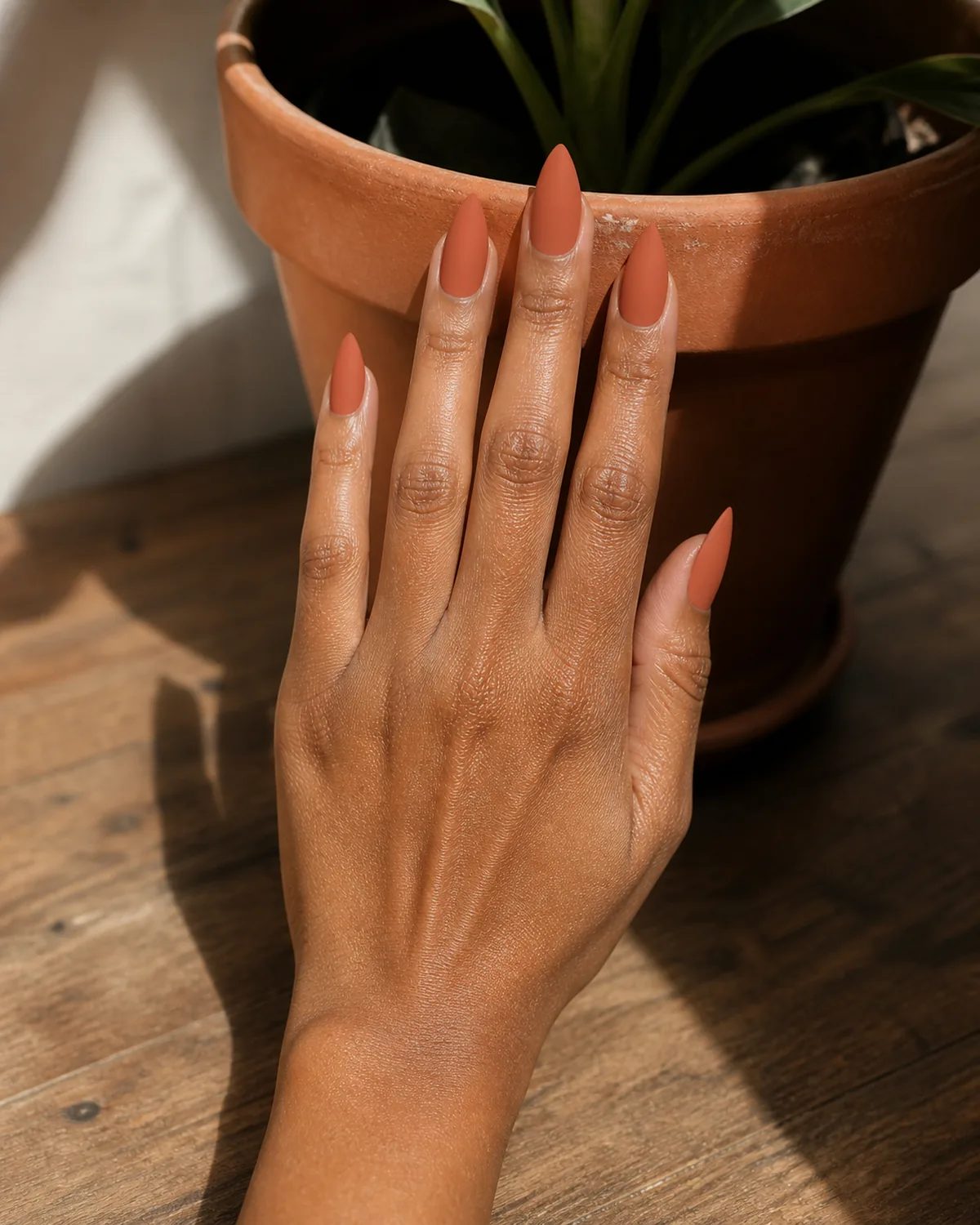
Terracotta is the color that benefits most from going matte. Glossy terracotta shifts toward orange under direct light and can read as a dated autumn trend. Matte terracotta stays in the earthy, burnt-clay range — closer to dried pottery than pumpkin spice.
On stiletto nails, the dramatic point creates an unexpected pairing with the earthy, grounded color. The shape says bold while the finish says quiet, and that tension is what makes the combination work.
The matte topcoat deepens the burnt-orange pigment and pushes the undertone toward brown, which is exactly where terracotta wants to live. This is a year-round color in matte — it works as well in February as it does in October, because the matte finish strips it of seasonal associations.
6. Velvety Earth Tone With Metallic Center Line
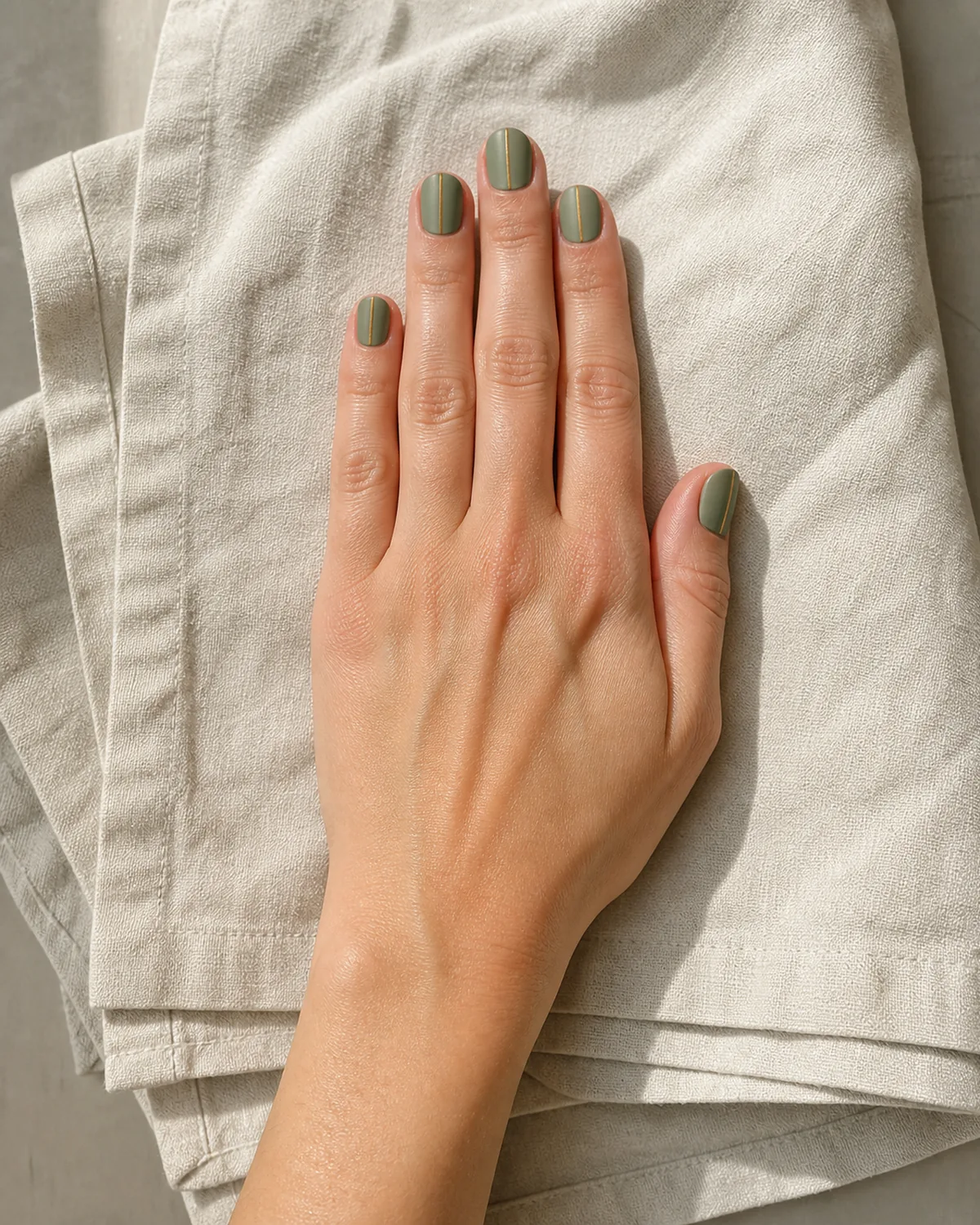
One narrow metallic line down the center of each nail turns a flat, velvety surface into a study in finish contrast. The matte base absorbs all ambient light while the gilded stripe bounces it back — two opposite behaviors sharing a single nail plate, each making the other more visible.
On short round nails, the clean silhouette keeps the metallic accent from tipping into minimalist territory or decorative territory. The stripe is the only event; the shape does not compete.
Apply matte topcoat first and let it cure completely. Then draw the center stripe with a metallic nail art pen in a single pass — seal it with a thin glossy layer over only the stripe to lock the reflective finish.
For wall-to-wall metallic coverage instead of one accent line, chrome nails and sage green are natural companions.
Four steps that produce a flawless matte finish with maximum wear time.
7. Matte Lavender on Medium Square
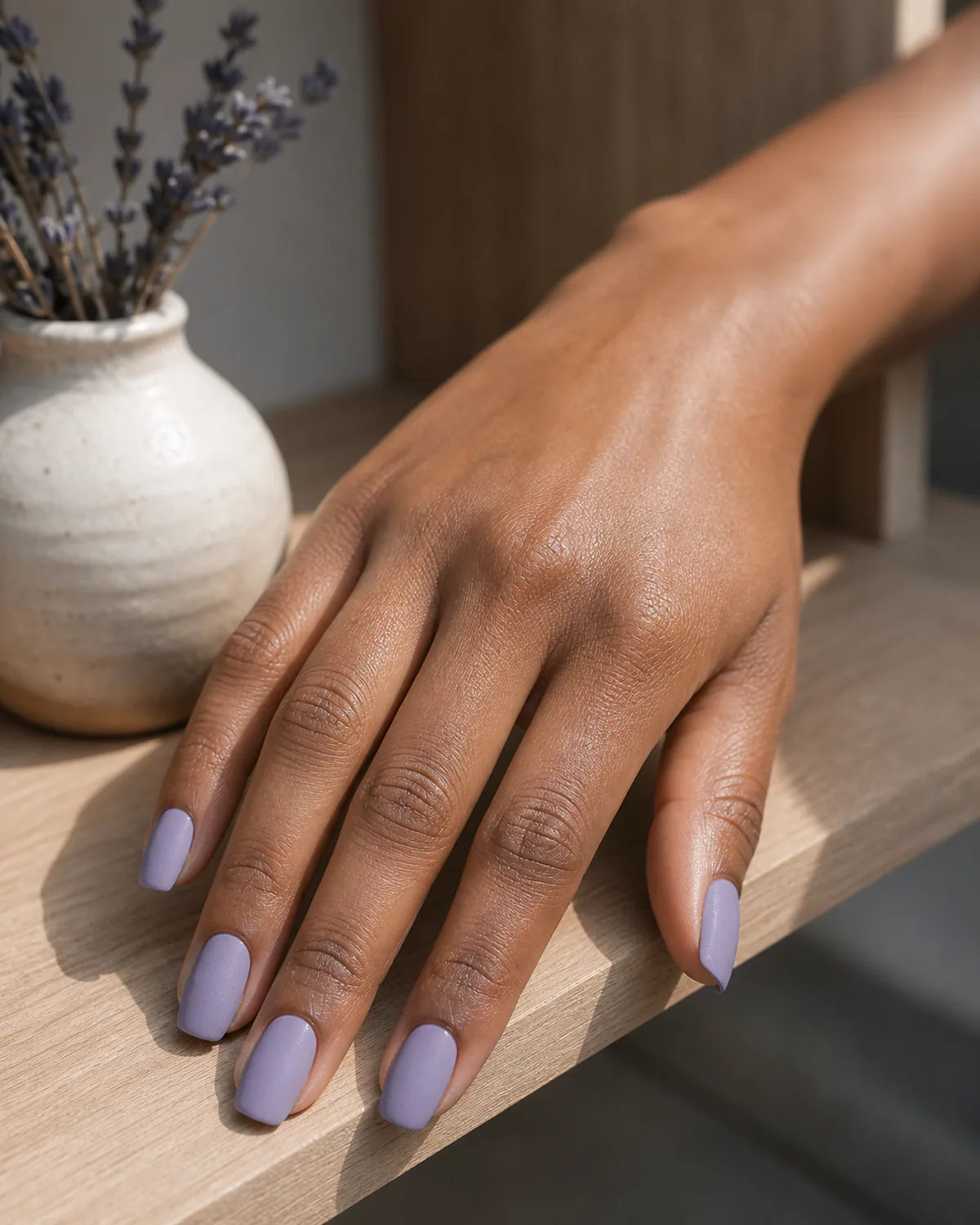
Glossy lavender can lean candy-sweet under bright light. Matte lavender does the opposite — the flat finish pulls the sweetness out and replaces it with a chalky, sophisticated softness that reads as grown-up pastel rather than bubblegum.
Medium square nails give the color clean, structured edges that offset the softness of the shade. The geometric shape and the quiet color create a balance between sharp and gentle that is hard to achieve with rounder silhouettes.
This shade works best in spring and early summer, but the matte finish extends its range into shoulder seasons where glossy lavender would feel out of place. Pair it with grey, white, or charcoal rather than pinks — the grey undertone that matte brings out responds better to cool neutrals.
8. Matte Ombre From Taupe to Charcoal on Almond
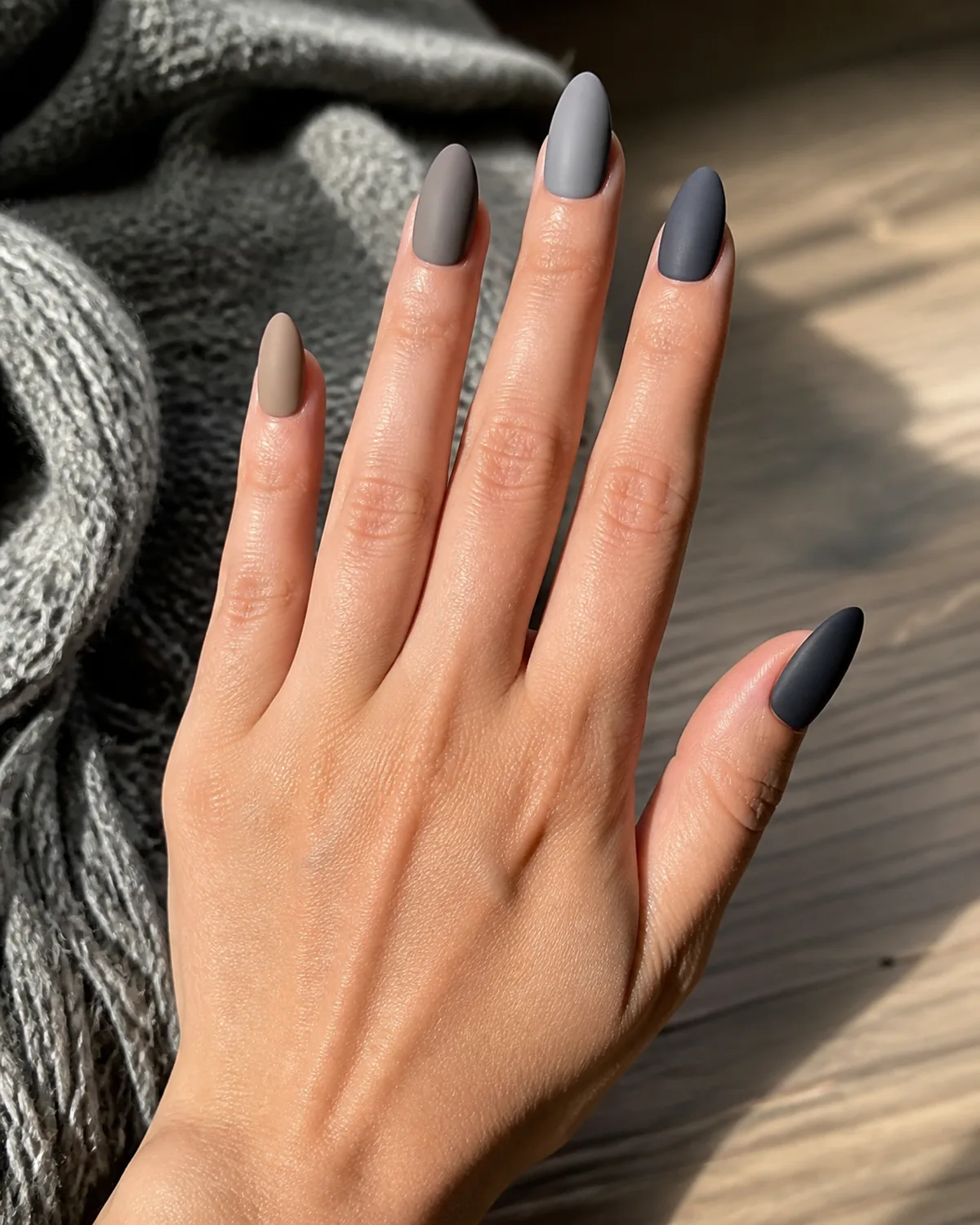
Each nail wears a different shade from the same neutral family — warm taupe on the pinky, shifting through greige and slate to cool charcoal on the thumb. The matte finish unifies the five shades into one cohesive set because the flat surface treatment reads as consistent even when the colors shift.
On almond nails, the tapered shape repeats across all five fingers, providing the visual continuity that the shifting colors need. The shape is the constant; the color is the variable.
Five polishes in one family is the practical barrier. Mix your own by adding small amounts of black or brown to a mid-tone greige. The shifts between adjacent nails should be barely noticeable — if any two non-adjacent nails look like obviously different colors, narrow the range.
9. Matte White on Short Squoval
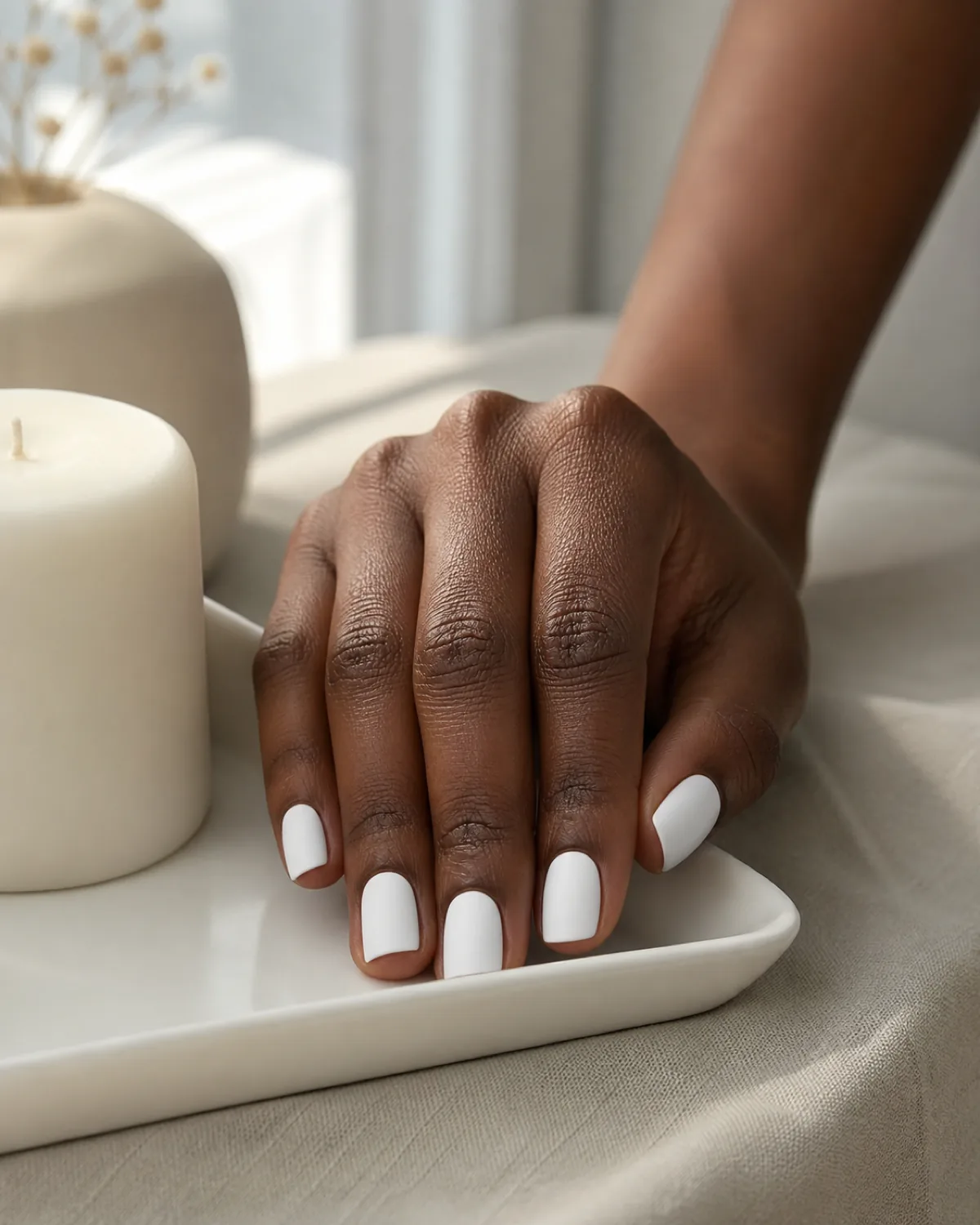
Matte white reads as porcelain — not the bright, reflective white of glossy polish, but the flat, dense white of an unglazed ceramic surface. The finish removes the plastic sheen that makes glossy white nails look like Liquid Paper and replaces it with a material quality that feels like a deliberate design choice.
Short squoval nails give matte white its cleanest expression. The softened square shape avoids the clinical sharpness of pure square nails while maintaining enough edge to match the crispness of the white.
Matte white demands the most careful application of any matte color. Every brushstroke, every pooling edge, every thickness variation is visible against the flat white surface. Apply in one direction, do not overwork, and accept that the second coat will fix the first coat's imperfections.
10. Matte Navy With One Glossy Accent on Oval
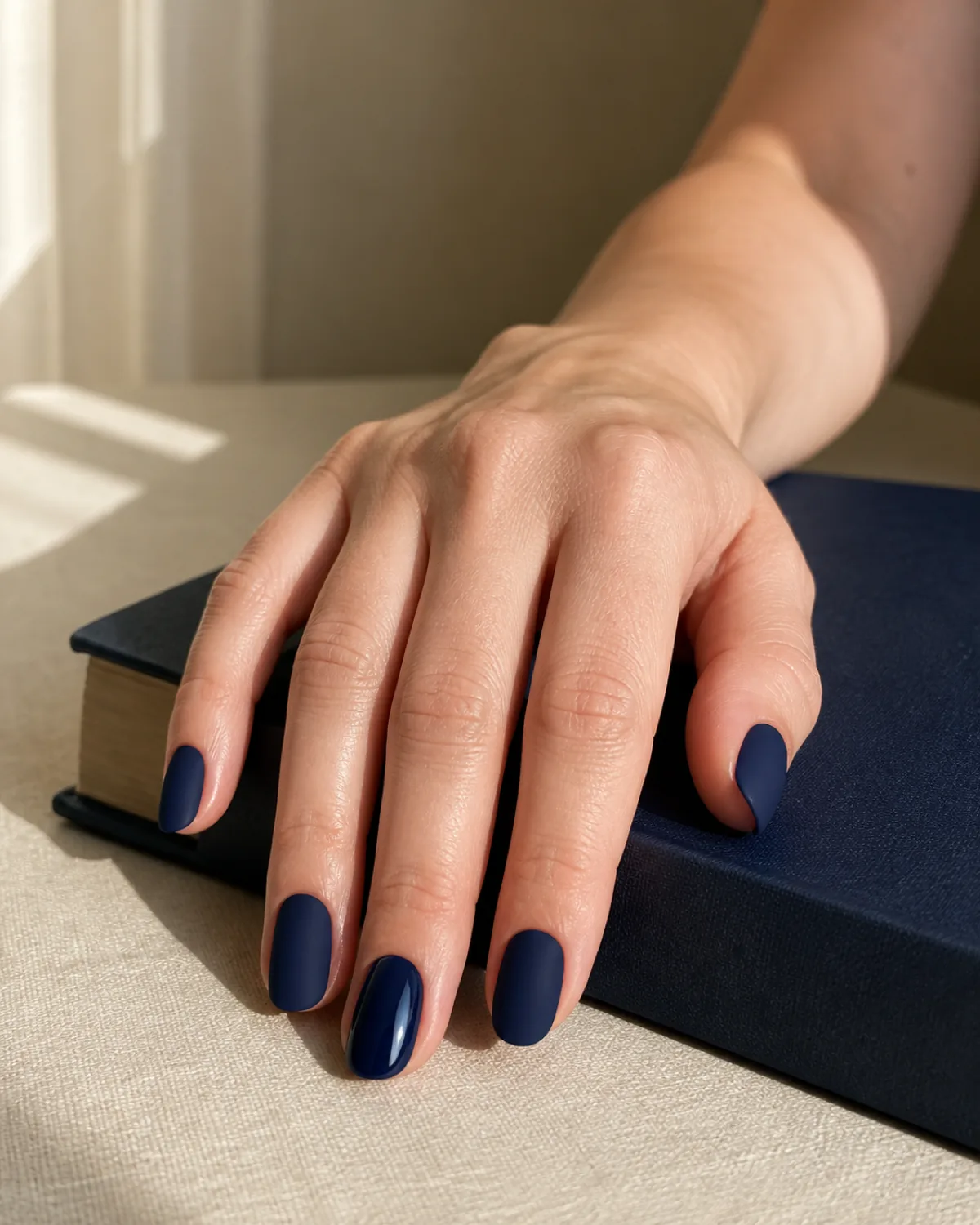
Four nails in matte navy, one ring finger in matching glossy navy. The finish difference is subtle — both read as deep blue-black in most lighting — but under direct light, the glossy nail catches a reflection that the matte nails absorb, creating a focal point that draws the eye without any color contrast.
This works because the color is identical on all five nails. The eye does not read it as a different color — it reads it as a different material. One nail looks like fabric, the others look like suede. That distinction is the entire design.
Apply the same navy polish to all five nails. Matte topcoat on four nails. Glossy topcoat on the ring finger. The timing matters — both topcoats should go on while the color is at the same stage of drying so the base color cures identically under both finishes.
10 Matte Nail Ideas to Try
- 1Classic matte blackThe flat black that looks expensive on short square, where gloss reads merely polished.
- 2Matte nudeA velvety skin-tone continuation of the finger on medium almond, no visible boundary.
- 3Matte burgundyWine-red gone flat on coffin, deliberate and editorial with the purple pulled forward.
- 4Matte-gloss FrenchA glossy sheer base under matte-sealed white tips on oval, contrast by finish instead of color.
- 5Matte terracottaThe earthy burnt tone kept honest by a flat finish on stiletto.
- 6Metallic center lineOne gilded stripe down a velvety earth-tone base, absorbing and bouncing light at once.
- 7Matte lavenderThe candy-sweetness pulled out by a flat finish on medium square.
- 8Taupe-to-charcoal ombreA different neutral on every nail from warm taupe to cool charcoal on almond.
- 9Matte whitePorcelain in polish form, the dense flat white of unglazed ceramic on short squoval.
- 10Glossy navy accentFour matte navy nails and one glossy ring finger, revealed only under direct light.
styvea.com

Sloane Avery edits Styvea, where she shares nail design ideas, shapes, colors, and at-home manicure how-tos for anyone who loves a good manicure. Every guide is reviewed for clarity, usefulness, image accuracy, and Pinterest-to-page alignment before publication. Visit the About page.