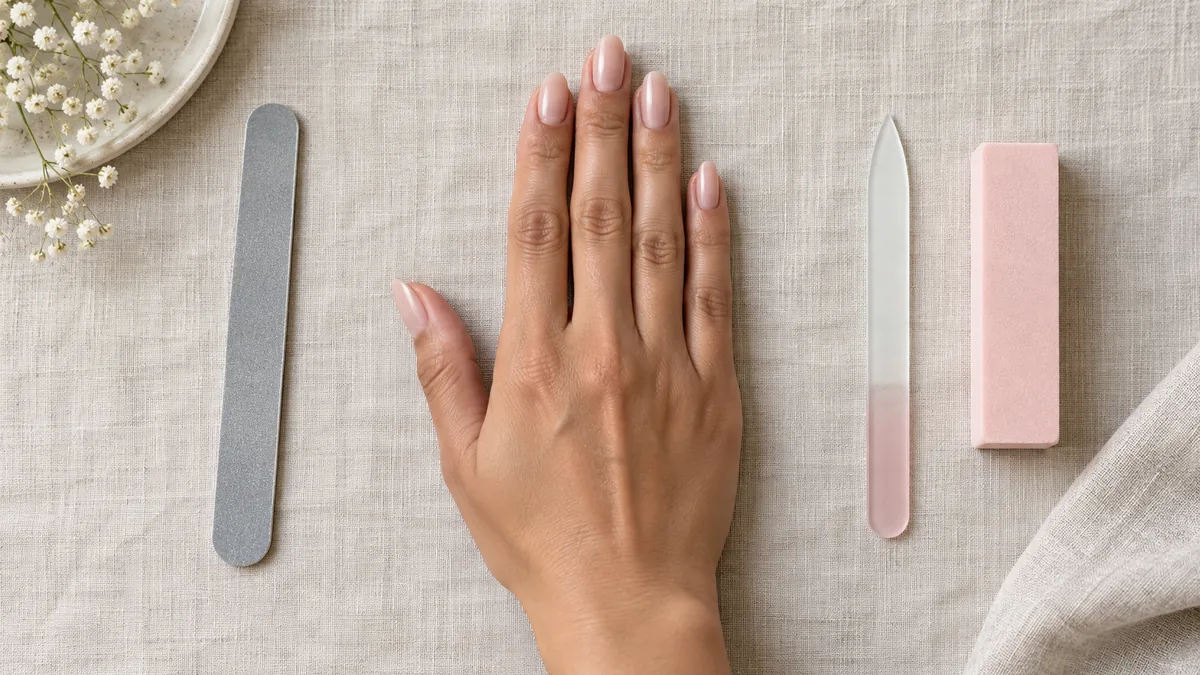
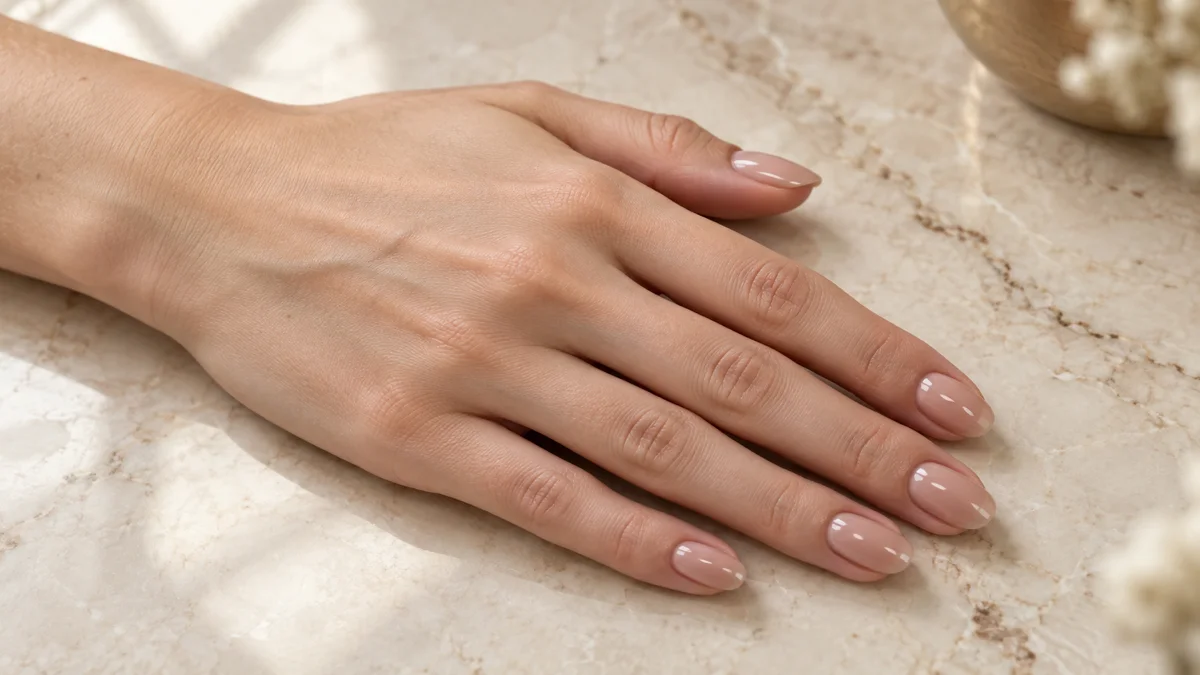
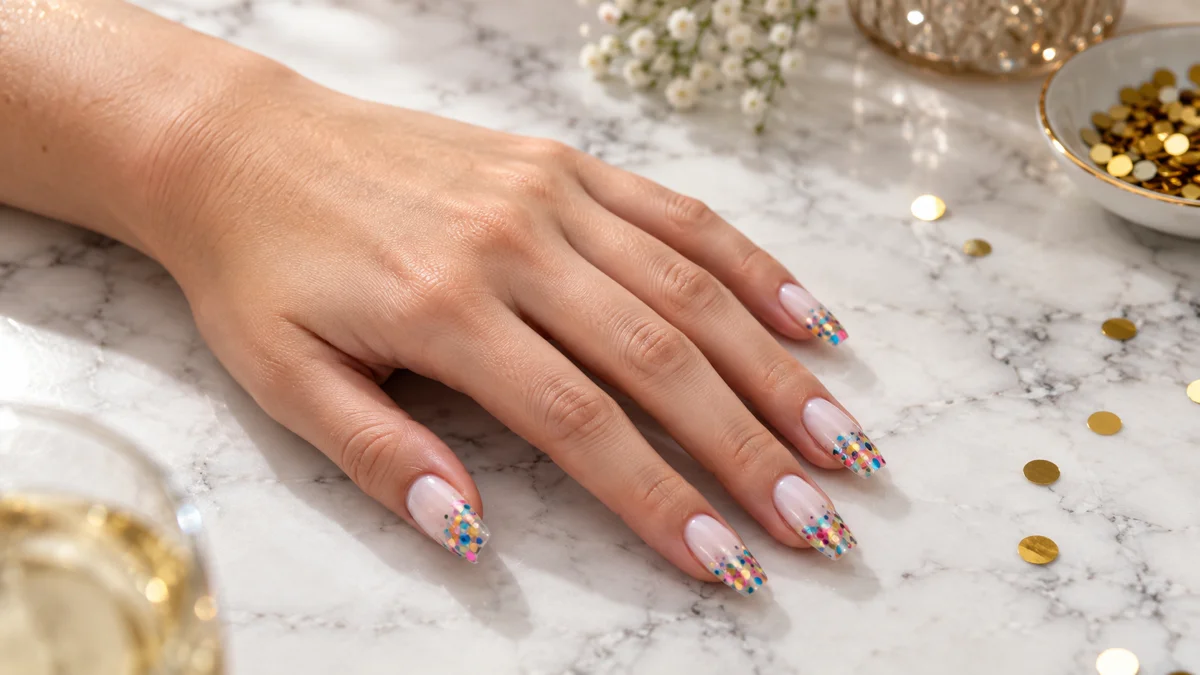
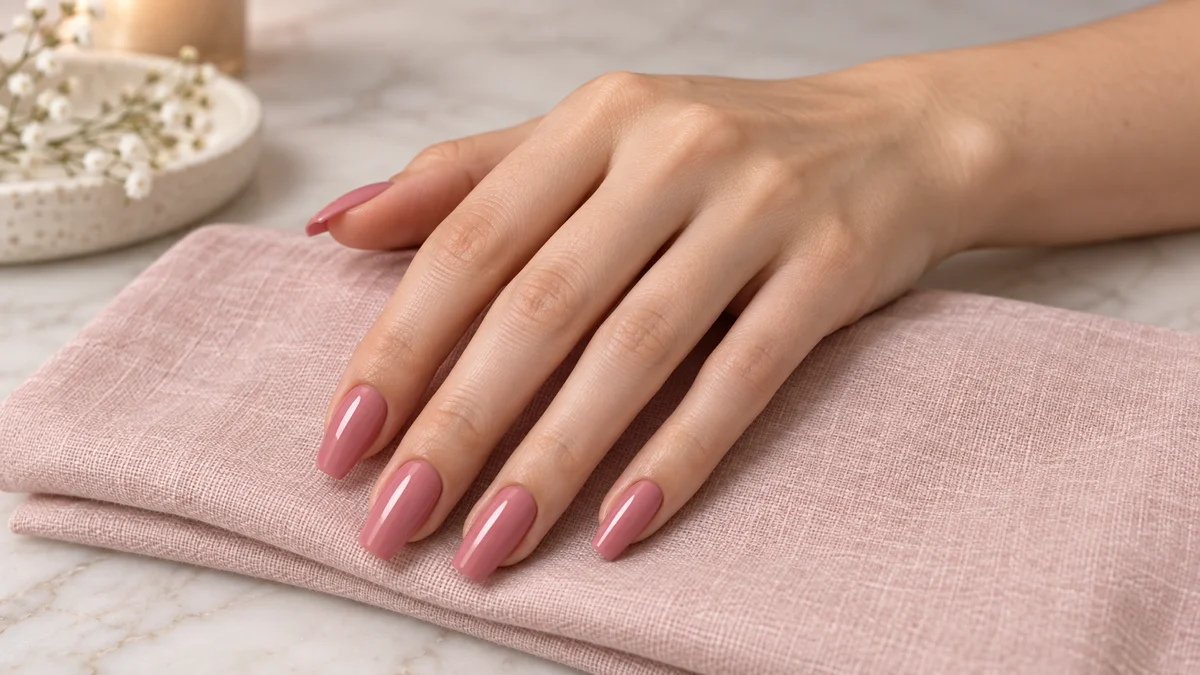
Ombre is the manicure that fades one color into another across the nail with no visible line, so the finish looks airbrushed and soft. A sponge or a brush dabs two tones into each other and a top coat seals the blend, so what looks complicated is mostly about a smooth transition.
These are fifteen ombre nail ideas, sorted from the softest nude fade to the boldest deep blend. The early ones are wearable, work-anywhere gradients; the middle ones bring color; the later ones add direction tricks and low-commitment ways to try ombre on one nail.
A good ombre rewards a smooth base and a glossy seal, so each look comes with how to blend it cleanly and keep it from chipping. Save the ones that match your colors, your length, and your upkeep.
From the softest nude fade to the boldest deep gradient, these are the ombre nail looks worth saving. Jump straight to the fade you want to wear first.
Nude-to-Pink Soft Ombre, the Everyday Classic
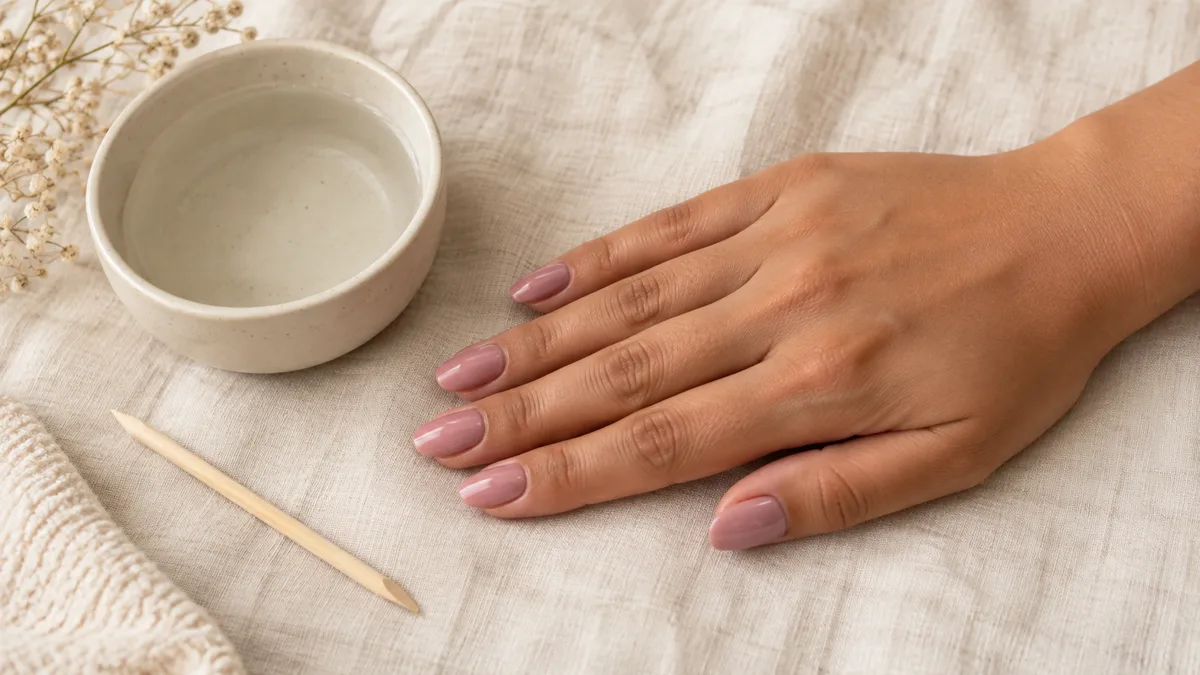
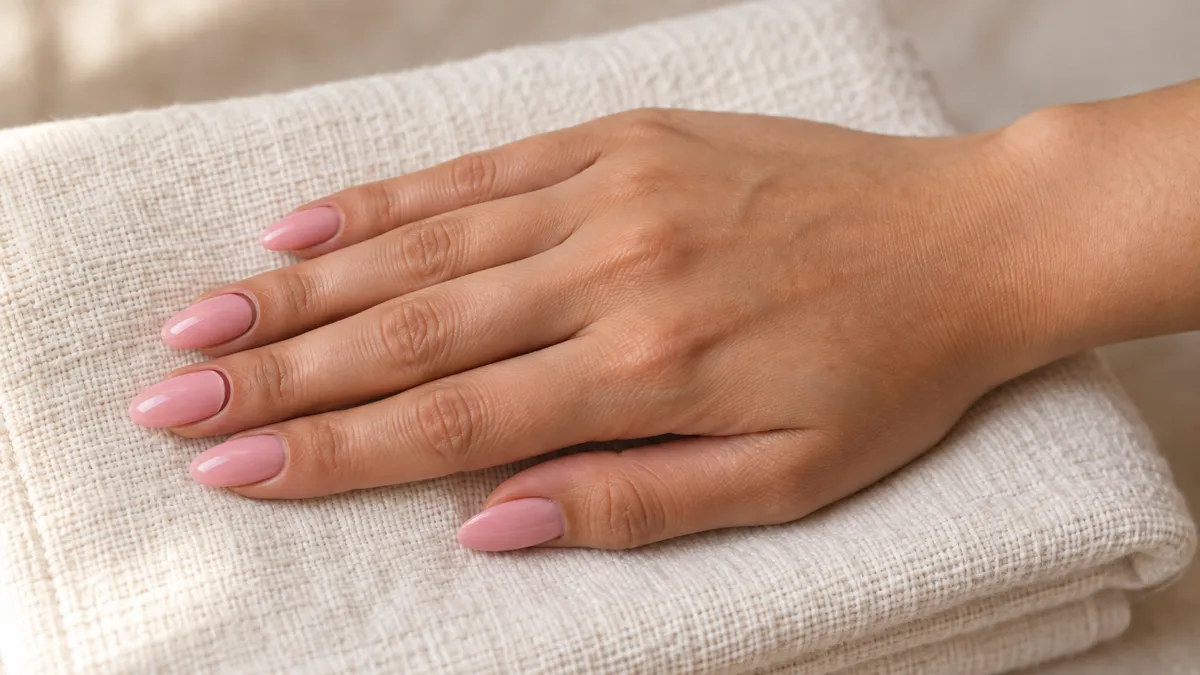
A nude root that fades into a soft pink tip is the gentlest gradient you can wear, and it is the one most people start with. The two tones are close enough that the blend looks effortless, so the manicure reads as a slightly more interesting nude.
It flatters every skin tone because the fade meets your natural undertone halfway, and it pairs with anything in your closet. On medium-to-long nails the gradient has room to look luxurious. This is the ombre to default to when you want a polished hand that does not announce itself.

- Paint a sheer nude base across the whole nail as the bottom layer.
- Dab a soft pink at the tip with a damp makeup sponge and press the line into the nude.
- Stop pressing once the join disappears so the fade looks airbrushed.
- Wear it anywhere a plain nude feels too quiet.
- Seal with a glossy top coat and cap the tips to lock the blend.
Baby Boomer French Ombre, Pink to White
The baby boomer is the bridal ombre, a sheer pink at the cuticle that melts into a soft chalky white at the tip. It is the gentler, more romantic cousin of a classic French and the most-requested wedding look for a reason.
What sells it is keeping the white from looking opaque or harsh; a soft milk-white fades into the pink instead of sitting on top. It looks especially good on oval and almond shapes where the tip has room to glow. This is the ombre to save for anything you want photographed.

- Start with a sheer pink gel base over the whole nail.
- Sponge a soft chalky white onto the tip in thin layers, never opaque.
- Blend the join with a clean brush so the white fades into the pink.
- Reach for it for weddings, bridal showers, and anything dressy.
- Top coat the tip thickly so the soft white does not yellow.
Milky-to-Sheer Ombre, the Clean Girl
Milky-to-sheer is the quietest ombre on the list, a soft off-white at the cuticle that fades into a near-transparent tip where your natural nail shows through. It looks like a really good top coat with a little something extra, which is the whole appeal.
This is the gradient for anyone who wants ombre without the visible color. It sits beautifully under jewelry and reads as a clean, taken-care-of hand. If you keep nails short, this is the ombre that still looks intentional at any length.

- Apply a soft milky base over the cuticle half of the nail only.
- Drag the milky color toward the tip with a damp brush until it goes sheer.
- Keep the tip almost bare so the natural nail shows through.
- Pair it with simple jewelry and a clean manicure.
- Finish with a glossy top coat to even out the soft fade.
You do not need all fifteen at once. Pick the fade you want right now, and start with those few.
French Tip Ombre, Faded Color Tips
A French tip ombre keeps your base bare or sheer and puts the gradient only on the tips, so the colored tip itself is a fade rather than a hard block. From a step back it reads as a clean French; up close the soft blend on the tip is what makes it modern.
It is the ombre to pick when a full-nail gradient feels like too much. Peach, lavender, or sage fading into nude all look fresh, and the contained tip stays office-friendly. This is the ombre version of a French that does not look traditional at all.

- Start with a sheer nude base over the whole nail.
- Paint a soft tip color (peach, lavender, sage) and stop before it sets.
- Drag the tip color back into the nude with a damp sponge so it fades.
- Wear it to work where a full ombre would feel like too much.
- Seal the very edge of the tip so the color does not chip first.
Lavender-to-Lilac Ombre, a Pastel Fade
Lavender-to-lilac is the easiest colored ombre to wear, a deeper soft lavender at the cuticle that fades into a pale lilac at the tip. The fade stays in the same purple family, so it reads as a single dreamy color rather than two competing ones.
It is the most spring-forward gradient on the list and looks especially good in soft daylight. If you love the shade but prefer a single flat color, our spring 2026 nail colors guide rounds up the soft lilacs in a non-gradient form. Ombre just adds the dreamy fade on top.

- Paint a soft deeper lavender across the cuticle half of the nail.
- Sponge a pale lilac at the tip and press the two together.
- Stay in the same color family so the fade reads as one shade.
- Save it for spring and summer when soft pastels feel right.
- Glossy top coat keeps the soft purple bright through the week.
Sky-Blue-to-Cream Ombre, Cool and Airy
Sky blue fading into cream is the cool-toned summer ombre, a soft periwinkle at the cuticle that lifts into a creamy off-white tip. It looks crisp and a little breezy and photographs especially well in daylight.
It suits cooler skin tones and looks especially good against a tan, where the contrast makes the blue look brighter. Short rounded shapes keep it from feeling costumey. This is the ombre for vacation photos and warm-weather rotations.

- Start with a creamy off-white base across the whole nail.
- Sponge a soft sky blue at the cuticle and blend it down toward the middle.
- Keep the tip cream so the cool blue cools the look rather than dominates.
- Wear it against a tan, where the contrast makes the blue pop.
- Seal well, since cooler tones show wear at the edges first.
Sage-Green-to-Cream Ombre, Earthy and Fresh
Sage green fading into cream is the quiet earthy ombre, a dusty sage at the cuticle that softens into a warm cream tip. It feels grown-up and a little outdoorsy, like a manicure that goes with linen and a denim jacket.
The dusty green is forgiving on most skin tones because it has enough warmth to read as a neutral. On medium-length oval shapes the fade looks especially polished. This is the colored ombre that still wears like a neutral.

- Paint a dusty sage at the cuticle half of the nail.
- Sponge a warm cream at the tip and blend the two together.
- Keep the sage muted so the gradient reads as a soft neutral.
- Pair it with linen, denim, and warm metals.
- Top coat glossy to lift the dusty green into something polished.
Ombre is all about a seamless blend with no visible line. These four rules are what make any of the fifteen looks above turn out smooth and actually last.
Peach-to-Cream Ombre, Soft and Warm
Peach fading into cream is the warm-weather sister of the nude-to-pink fade, a soft peach at the cuticle that melts into a creamy tip. The warmth flatters most skin tones and gives the manicure a glow that reads as lit-from-within.
It is the ombre to wear in late spring and early fall, when nude feels too cool and a bright shade feels too much. On almond and oval shapes the warm fade looks especially expensive. This is the gradient that quietly makes your hands look healthier.

- Start with a soft cream base over the whole nail.
- Sponge a warm peach at the cuticle and blend it into the cream.
- Keep both shades warm so the fade reads as one glow.
- Wear it in transitional seasons when nude feels too cool.
- Finish with a glossy seal to keep the warm tone bright.
Smoke Ombre, Black-to-Nude Edgy Minimal
Smoke ombre is the bold one, a true black at the cuticle that fades dramatically into a bare nude at the tip. The mid-blend turns into a soft smoky charcoal, which is what keeps the look minimal instead of harsh.
It is the ombre for anyone who wears black and wants their nails to match. The seamless fade is what makes it modern; a hard black-to-nude line would look like a half-painted accident. On long almond shapes the dramatic fade has the most room to breathe.

- Paint a true black gel across the cuticle third of the nail.
- Sponge a sheer nude over the rest and pull the black down into the smoke zone.
- Smooth the join until the mid-blend reads as soft charcoal.
- Wear it with a sharp wardrobe to play up the edge.
- Re-cap the tips often, since dark tones show chips clearly.
Wine-to-Burgundy Deep Ombre, Autumn Rich
A wine-to-burgundy gradient stays in the same deep red family, so the fade reads as a single rich color with a little depth at the cuticle. It is the most wearable bold ombre and looks especially expensive in cold weather.
It looks expensive when both reds sit close enough on the color wheel that the blend reads as one rich shade catching the light. Long oval shapes hold the depth beautifully. This is the ombre for fall events, dinners, and any time you want red without flat red.

- Paint a deep wine red over the whole nail as the base.
- Sponge a slightly lighter burgundy at the tip to lift the color.
- Keep the two reds in the same family so the fade reads as one shade.
- Wear it through fall and winter for a rich, polished look.
- Glossy top coat brings the depth forward and seals the blend.
Vertical Side-to-Side Ombre, the Modern Twist
A vertical ombre runs the fade left-to-right across each nail instead of root-to-tip, so the gradient goes sideways. It is the most modern way to wear ombre right now because it breaks the expected direction without breaking the soft blend.
The look reads as intentional only when both edges land cleanly and the blend in the middle stays seamless. Squoval shapes give the widest canvas for the sideways fade. This is the ombre that quietly signals you are paying attention to nail trends.

- Paint one color along the left edge of each nail in a thin band.
- Paint the second color along the right edge in a matching band.
- Blend the two together down the middle with a damp brush.
- Save it for when you want ombre to look unexpected.
- Cap the tips and side walls so the sideways fade stays sharp.
15 Ombre Nail Ideas to Try
- 1Nude to pinkThe everyday soft fade that quietly polishes any hand.
- 2Baby boomerA bridal sheer pink melting into a soft chalky white.
- 3Milky to sheerA clean-girl fade that lets the natural nail show.
- 4French tip fadeA faded colored tip over a bare nude base.
- 5Lavender lilacA dreamy pastel fade that stays in the purple family.
- 6Sky blue creamA cool airy fade for vacation and warm weather.
- 7Sage green creamAn earthy fade that still wears like a neutral.
- 8Peach creamA warm skin-flattering fade for transitional seasons.
- 9Smoke ombreA dramatic black-to-nude fade, edgy and minimal.
- 10Wine burgundyA same-family rich red fade for autumn.
- 11Vertical fadeA sideways gradient that breaks the expected direction.
- 12Sunset three-tonePink to coral to gold like a low sky.
- 13Reverse ombreColor at the cuticle fading into a bare tip.
- 14Glitter fadeFine sparkle scattered denser toward the tip.
- 15Long almondA dreamy rose-to-mauve fade on a long taper.
styvea.com
Sunset Three-Tone Ombre, Pink-Coral-Gold
Sunset ombre layers three colors instead of two — a soft pink at the cuticle, coral in the middle, and a warm soft gold at the tip. The triple fade looks like a low sky, which is exactly the point.
Three tones only work when each transition stays soft, which means fading each color into the next while it is still tacky. It belongs on a vacation, a beach trip, or any night out where you want your nails to feel celebratory. Almond shapes give the three colors room to breathe.

- Paint a soft pink at the cuticle third of the nail.
- Sponge coral in the middle third while the pink is still tacky.
- Paint a warm soft gold on the tip and blend the join into the coral.
- Save it for vacation and warm-weather nights.
- Top coat glossy so all three tones stay vivid.
Reverse Ombre, Color at the Cuticle and Bare at the Tip
A reverse ombre flips the direction of a classic gradient: the color sits at the cuticle and fades into a bare or sheer tip, instead of fading from bare into color. The effect is unexpected because most ombres run dark up at the tip; this one runs dark down at the base.
It is a clever way to wear color on short nails, since the colored half lives where your nail is widest and the bare tip lets the nail look longer than it is. If you keep nails short, our short nail designs guide has more flattering ideas for that length. A soft berry or warm terracotta fading into bare reads the most modern.

- Paint a sheer base across the whole nail first.
- Sponge your chosen color at the cuticle half and stop at the middle.
- Pull the cuticle color toward the middle with a damp brush so the tip stays bare.
- Wear it on short nails, where the bare tip makes the nail look longer.
- Top coat the whole nail glossy so the bare tip stays clear.
Glitter Fade, Sparkle Toward the Tip
A glitter fade keeps the cuticle bare and scatters fine glitter denser toward the tip, so the sparkle reads as a gradient rather than a stripe. It is the festive ombre that does not feel costumey, which makes it a good holiday move.
It only works when the glitter stays fine and the spread stays gradual; chunky glitter or a hard band would lose the soft fade. Oval shapes catch the light along the tip especially well. This is the gradient to reach for in December or any night you want a quiet glint.

- Start with a sheer nude base across the whole nail.
- Tap a fine glitter polish lightly onto the tip with a flat brush.
- Build the glitter slowly toward the tip so the spread looks soft.
- Wear it for holidays and nights you want a quiet sparkle.
- Top coat heavily to smooth the glitter and seal the fade.
Long Almond Vertical Ombre, the Elongating One
A long almond shape gives an ombre the longest canvas it can get, and a soft rose-to-mauve gradient down a long tapered nail looks especially dreamy. The fade has room to drift, so the gradient itself reads as luxurious rather than busy.
This is the ombre to choose when you want the look at its most flattering. If the long tapered shape is what is doing most of the work, our almond nail designs guide goes deeper on the shape that carries gradients best. On shorter nails the same fade still reads soft, just less dramatic.

- Paint a warm rose pink across the cuticle half of the nail.
- Sponge a deeper mauve at the tip and blend the join.
- Keep the two tones close so the long fade reads as one dreamy shade.
- Save it for events where the long shape gets noticed.
- Glossy seal makes the long gradient look custom-made.
Ombre looks complicated, but it comes down to two close shades, a damp sponge, and a steady hand. Start with a soft nude-to-pink or a baby boomer, get the blend smooth, then work up to bolder palettes and unexpected directions. The best ombre is the one whose fade you can keep clean all week.